

Social media marketing for UK spas helps people discover your spa, trust your treatments, and book with confidence. It is no longer just a place to post relaxing images. It is where potential clients compare experiences, read reviews, check your atmosphere, and decide whether your spa feels right for them.
Today’s spa clients often research before they book. They may visit your Instagram profile, watch your Stories, check therapist introductions, read comments, compare your treatment menu, and look for signs that your spa is professional, calming, and worth the price.
For UK spas, this creates a clear opportunity. Social media lets you show the spa experience before someone arrives. You can help potential clients picture the treatment room, the therapist’s care, the lighting, the products, and the feeling of finally taking time for themselves.
A strong spa social media strategy should do more than create awareness. It should help you:
- Increase direct appointment bookings
- Promote spa gift vouchers
- Build trust through reviews and therapist content
- Support seasonal campaigns
- Grow a wellness-focused community
- Turn one-time visitors into loyal clients
1. Why social media marketing works differently for spas
Spa social media marketing works differently because spas sell trust, relaxation, and transformation. Clients are not only buying a massage, facial, or body treatment. They are buying stress relief, confidence, privacy, self-care, or a thoughtful experience for someone they love.
That is why social media is so powerful for spas. A peaceful room photo can create desire. A short treatment video can answer questions. A therapist spotlight can reduce hesitation. A client testimonial can help someone feel ready to book.
Spas also need more trust than many other businesses. Treatments are personal and hands-on. Before booking, clients want to know:
- Who will treat them
- What the space looks like
- Whether the spa is clean and professional
- What results or benefits can they expect
- What other clients say about the experience
- How easy it is to book
Because of this, spa social media content should balance three things:
| Content Type | Purpose | Example |
| Aspirational wellness content | Creates desire | Calm treatment rooms, spa ambience, relaxing videos |
| Educational content | Builds trust | Treatment benefits, aftercare tips, therapist advice |
| Conversion content | Drives bookings | Booking links, gift voucher posts, seasonal offers |
When these three content types work together, social media becomes more than a branding tool. It becomes a channel for booking, trust-building, and client retention.
2. How UK spa clients use social media
UK spa clients use social media to research the experience before they book. They want to see the spa environment, treatment quality, therapist expertise, client reviews, and the overall brand experience.
Common social media research behaviours include:
- Discovering spas through Instagram Reels, Stories, local hashtags, and location tags
- Checking treatment reviews, client testimonials, and before-and-after content
- Comparing spa gift voucher options before Mother’s Day, Christmas, Valentine’s Day, and birthdays
- Looking for calming, aspirational wellness content before making a booking decision
- Checking therapist credentials, hygiene standards, and treatment explanations before booking
This is why spa social media content should reduce uncertainty. The more clearly your content answers client questions, the easier it becomes for followers to book.
3. The UK spa and wellness market in 2026
The UK wellness market is growing as more people invest in stress relief, self-care, skin health, and mental well-being. This creates more opportunities for spas, but it also increases competition.
UK spas are competing not only with other spas but also with independent therapists, beauty clinics, at-home treatments, wellness retreats, and hotel spa experiences. Social media helps spas stand out by showing what makes their treatment experience more trusted, relaxing, and memorable.
For many spas, growth in 2026 will come from four areas:
Regular self-care bookings from wellness-focused clients
Gift voucher sales around seasonal occasions
Group bookings for hen parties, birthdays, and celebrations

Corporate wellness packages for employee well-being
This makes social media important for both discovery and retention. It helps spas reach new clients while keeping existing clients engaged between visits.
4. Understanding the UK spa client journey on social media
Most spa clients do not book after one post. They usually go through a brief research process before taking action.
First, they discover your spa through a Reel, post, ad, hashtag, location tag, influencer mention, local search, or recommendation. Then they visit your profile to see whether your spa looks professional and appealing. After that, they check your treatments, reviews, prices, location, and booking process.
Finally, they decide whether to book, save your profile, send it to a friend, or buy a gift voucher.
For UK spas, this journey is often linked to a specific need or occasion, such as:
- Stress relief after a busy work week
- Mother’s Day, Valentine’s Day, birthdays, or Christmas gifts
- Hen parties and group spa days
- Corporate wellness events
- Wedding preparation
- Seasonal skincare needs
- Monthly self-care routines
Your social media should support each of these moments.
For example, a stressed professional may respond to a “reset your week” message post on Instagram. A daughter buying a Mother’s Day gift may need a clear gift voucher post on Facebook or Pinterest. A bride-to-be may save a carousel about pre-wedding facials.
The easier you make this journey, the more likely followers are to become clients.
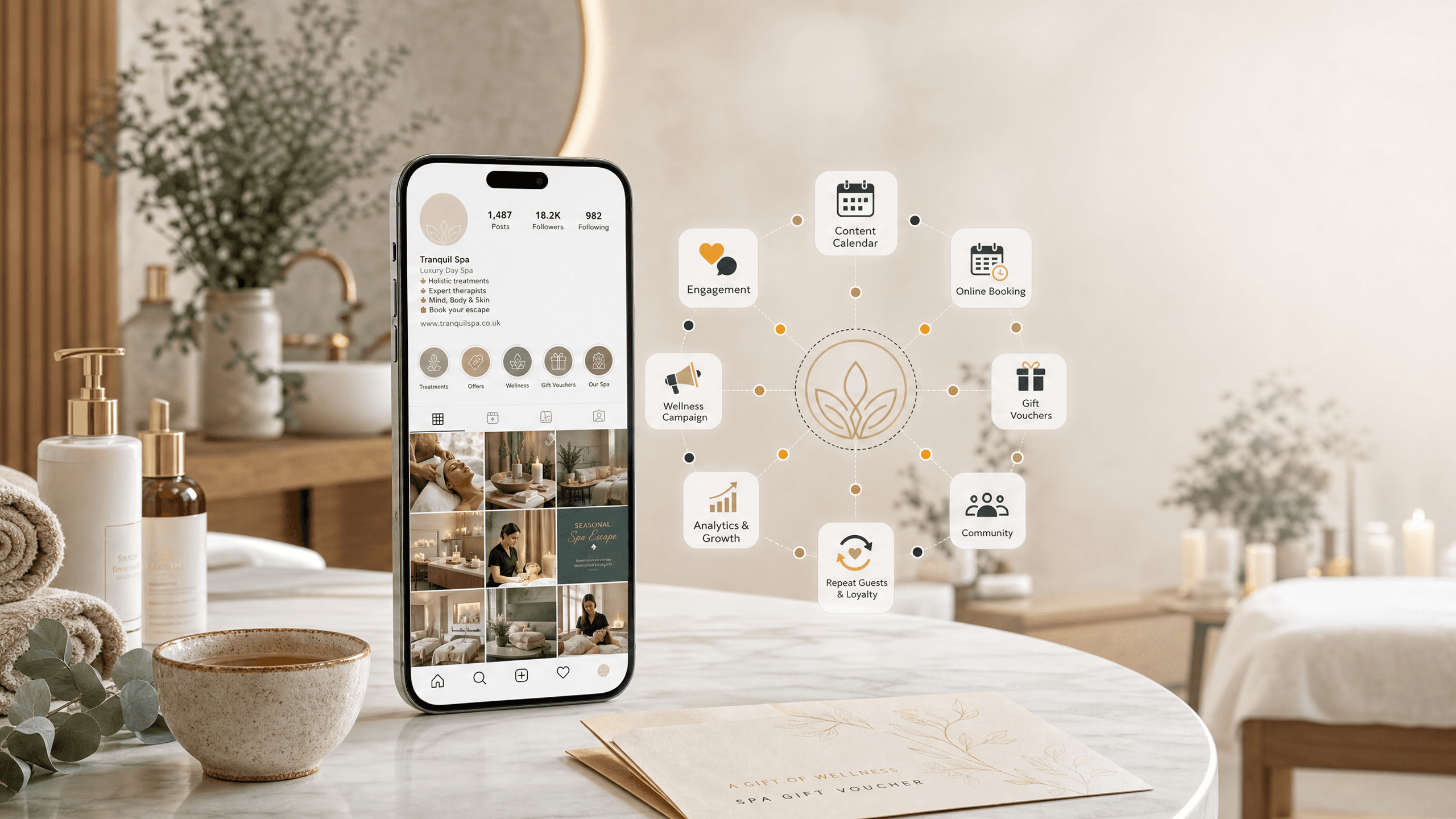
5. Setting your spa social media strategy
A spa social media strategy should start with clear business goals. Without goals, your content can quickly become random, with one treatment photo, one promotion, and one quote posted without a clear purpose.
For new spas, the main goals are usually awareness, credibility, and first-time bookings. Your content should introduce the spa, show the space, explain treatments, highlight therapists, and make it easy for local people to book.
For established spas, the goals are often different. You may want to increase repeat visits, sell more gift vouchers, promote memberships, drive group bookings, or build awareness for new treatments.
Your social media goals may include:
- Increasing direct appointment bookings
- Growing gift voucher revenue
- Building a stronger local community
- Promoting premium treatments
- Supporting spa memberships
- Increasing group and corporate bookings
- Improving client retention
- Building reputation and trust
Once the goal is clear, every post should have a role. Some posts should attract new followers. Some should educate. Some should build an emotional connection. Some should directly encourage bookings.
6. Know your spa audience before you create content
Different spa clients need different messages. A gift buyer wants reassurance and easy purchase options. A luxury client wants exclusivity and atmosphere. A stressed professional wants convenience and relief.
Knowing these audience types helps you create content that feels specific, not generic.
6.1 Gift-Givers
Gift-givers are one of the most valuable audiences for UK spas. They buy for Mother’s Day, Christmas, birthdays, anniversaries, Valentine’s Day, and special celebrations.
They need content that makes the gift feel thoughtful and simple to buy. Show gift voucher packaging, treatment options, price points, delivery details, and “best for” recommendations.
Instead of saying “Gift vouchers available,” use a more emotional message like:
“Give Mum the afternoon she would never book for herself.”
This makes the voucher feel personal, not last-minute.
6.2 Wellness Seekers
Wellness seekers are your core repeat clients. They care about stress relief, sleep, skincare, relaxation, recovery, and overall well-being.
They respond well to treatment benefits, therapist advice, wellness tips, self-care routines, and calming visuals. This audience is ideal for memberships, monthly treatment plans, and loyalty programmes.
6.3 Hen Party and Group Organisers
Group organisers plan. They want to know your group capacity, package options, prices, availability, and what the full experience includes.
Your content should show group treatment spaces, relaxation areas, celebration packages, add-ons, and testimonials from past groups.
6.4 Corporate Wellness Bookers
Corporate wellness clients need a more professional message. They may be HR managers, office managers, team leaders, or business owners planning wellbeing days.
They respond to content about stress reduction, employee wellbeing, team experiences, corporate packages, and flexible scheduling.
6.5 Luxury Experience Seekers
Luxury clients want more than a treatment. They want atmosphere, privacy, premium products, expert therapists, and a memorable experience.
Your content should focus on small details, such as robes, oils, lighting, treatment rooms, advanced skincare, private spaces, and high-end service.
6.6 Loyal Members and Existing Clients
Existing clients should not be ignored. They are more likely to rebook, refer friends, leave reviews, and buy memberships.
Use social media to offer early access, loyalty reminders, previews of new treatments, member-only offers, therapist updates, and community-led content.
Turn Social Media into Your Spa's Most Powerful Discovery Channel
Today’s wellness customers discover, research, and book spas through social media. Build a strategy that showcases your experience, builds trust, and drives more appointments.
7. Spa type positioning on social media
Different spa types need different social media messaging. A day spa should not use the same content strategy as a medical spa or wellness retreat.
| Spa Type | Social Media Focus | Best Content | Messaging Angle |
| Day spas | Accessible luxury and local community | Express treatments, lunch-break relaxation, self-care tips | “Reset your week without leaving your day.” |
| Medical spas | Clinical credibility and visible results | Treatment education, skin journeys, therapist credentials, consented before-and-afters | “Science-backed skincare with professional care.” |
| Wellness retreats | Holistic transformation and destination experience | Retreat videos, meditation, nutrition, yoga, nature, therapist expertise | “Reset your mind, body, and spirit.” |
| Boutique or niche spas | Specialist treatments and expert positioning | Treatment deep-dives, therapist stories, niche wellness education | “Specialist care for clients who want something more personal.” |
This positioning helps your spa create content that speaks to the right clients rather than sounding like every other wellness business online.
8. Choosing the right social media platforms for your spa
| Platform | Best For | Main Use |
| Most spa types | Visual discovery, Reels, Stories, treatments, gift vouchers | |
| Local spas and older audiences | Reviews, events, offers, community updates | |
| TikTok | Younger audiences and wellness trends | Short videos, ASMR, behind-the-scenes content |
| Gift planning and inspiration | Gift vouchers, bridal prep, wellness boards | |
| YouTube | Medical spas, retreats, treatment education | Long-form education, spa tours, testimonials |
| Corporate wellness | B2B packages and employee wellbeing content |
Discover which platforms work best for different business models in our complete comparison of medical spa vs day spa marketing.
8.1 Instagram marketing for spas
Instagram is usually the priority platform for spas because spa marketing is highly visual. It works well for treatment videos, spa photography, therapist introductions, Reels, Stories, testimonials, and gift voucher campaigns.
Use Instagram to show what your spa feels like. Your grid should build trust within seconds. Your Stories should keep your audience engaged daily. Your Reels should help new people discover your treatments.
Best Instagram content for spas includes:
- Treatment demonstrations
- Room tours
- Therapist spotlights
- Client testimonials
- Gift voucher campaigns
- Seasonal treatment guides
- “What to expect” videos
- Before-and-after content, where appropriate and consented
8.2 Facebook marketing for spas
Facebook remains important for local spas, especially for targeting clients aged 35 and above, local communities, families, and gift buyers.
Use Facebook for reviews, offers, local updates, events, gift vouchers, group packages, and community partnerships. It is also useful for advertising because you can reach local audiences and retarget people who have engaged with your website or social profiles.
8.3 TikTok marketing for spas
TikTok can help spas reach younger audiences and build awareness through short-form video. It works best when the content feels natural, calming, and useful.
Good TikTok ideas include:
- ASMR spa sounds
- Treatment preparation clips
- Skincare tips
- Therapist advice
- Behind-the-scenes videos
- Quick wellness routines
- Satisfying treatment moments
TikTok may not be the main booking platform for every spa, but it can be a strong discovery channel.
8.4 Pinterest for spa gift voucher marketing
Pinterest is often overlooked by spas, but it can be useful for gift planning and wellness inspiration. Many users save ideas weeks or months before they buy, which makes it helpful for Mother’s Day, Christmas, birthdays, weddings, and hen party planning.
Create boards around:
- Spa gift ideas
- Self-care routines
- Wellness inspiration
- Bridal prep
- Winter skincare
- Relaxation gifts
8.5 YouTube for spa education and trust building
YouTube is useful for spas that need more educational content, especially medical spas, wellness retreats, and treatment-led brands. It works well for longer videos that explain treatments, answer common questions, and build the therapist’s credibility.
Good YouTube content for spas includes:
- Treatment explanation videos
- Spa tours
- Therapist Q&A videos
- Client testimonial videos
- Skincare and wellness education
- “What to expect before your first treatment” videos
YouTube may not be the first platform every spa uses, but it can help build trust, improve SEO, and drive long-term discovery.
8.6 LinkedIn for corporate wellness
LinkedIn is useful if your spa offers corporate wellness packages. It helps you reach HR managers, office managers, business owners, and local corporate decision-makers.
Your messaging should focus on employee well-being, stress relief, team rewards, and professional wellness experiences.
This split keeps your content balanced. It prevents your feed from becoming too promotional while still giving enough space to booking-focused posts.
1. Treatment and experience showcase
Treatment content should be your main content pillar because people want to see what they are booking.
Show your massage, facial, body treatment, hydrotherapy areas, relaxation spaces, products, towels, lighting, and treatment rooms. Use close-ups, short videos, and calming visuals to help followers imagine the experience.
Examples include:
- “What happens during our signature facial”
- “A 30-second look inside our hot stone massage”
- “The treatment room before your appointment”
- “How deep tissue massage supports muscle tension”
- “What your skin may feel like after a hydrating facial”
This content creates desire and reduces uncertainty.
2. Wellness education
Wellness education positions your spa as an expert, not just a place to book treatments.
Use simple posts that answer common client questions. Explain treatment benefits, aftercare, preparation tips, skincare routines, stress relief techniques, and seasonal wellness needs.
Examples include:
- “How often should you book a massage?”
- “Massage or facial: which should you choose this month?”
- “How to prepare for your first spa treatment”
- “Winter skincare mistakes to avoid”
- “Why regular self-care supports stress management”
This content builds trust and helps clients feel more confident about booking.
3. Behind-the-scenes and community content
Behind-the-scenes content makes your spa feel human. It shows the people, care, and standards behind the experience.
Share therapist introductions, team training, room preparation, product selection, hygiene standards, staff milestones, local partnerships, and client appreciation posts.
This is especially useful for first-time clients who may feel nervous before booking.
Examples include:
- “Meet Sarah: The therapist behind our signature deep tissue massage”
- “A look at how we prepare treatment rooms before every appointment”
- “Behind the scenes of our team’s latest wellness training session”
- “Celebrating five years with our amazing spa therapist, Emma”
- “Thank you to our wonderful clients for making our community feel like family”
This content builds trust and helps potential clients feel more connected and confident in booking with your spa.
4. Promotional and seasonal content
Promotional content should be planned around your spa revenue calendar. For spas, seasonal marketing is essential because many bookings and gift voucher sales happen around key dates.
Important promotional moments include:
- January wellness resets
- Valentine’s Day couple packages
- Mother’s Day gift vouchers
- Easter breaks
- May bank holidays
- Summer skin and body treatments
- Wedding and hen party season
- Autumn stress relief
- Christmas gift vouchers
- New Year packages
Gift voucher marketing deserves special attention because it can create high-value sales and introduce new clients to your spa.
9. UK spa seasonal marketing calendar
A seasonal calendar helps your spa plan campaigns before demand peaks. If you start promoting Mother’s Day vouchers one week before Mother’s Day, you miss early buyers. If you start Christmas content in mid-December, many organised gift buyers have already purchased elsewhere.
Use this calendar to plan spa social media content throughout the year.
| Month | Main Opportunity | Content Ideas |
| January | New Year wellness | Reset packages, stress relief, memberships, self-care goals |
| February | Valentine’s Day | Couple treatments, self-love content, friendship spa days |
| March | Mother’s Day | Gift vouchers, pampering packages, spring renewal |
| April | Easter and spring | Spring skincare, Easter breaks, bank holiday relaxation |
| May | Summer prep | Body treatments, summer skin, May bank holiday offers |
| June-August | Summer peak | Weddings, hen parties, staycations, summer glow treatments |
| September | Back-to-work wellness | Stress relief, autumn skincare, corporate wellness |
| October | Autumn comfort | Cosy spa content, half-term relaxation, autumn treatments |
| November | Christmas planning | Gift voucher launch, festive packages, corporate events |
| December | Last-minute gifting | Christmas vouchers, New Year packages, festive self-care |
Plan campaigns at least six to twelve weeks before major gift-giving periods. This gives your content and ads enough time to build awareness, retarget interested users, and convert buyers.
10. Recommended posting frequency for UK spas
UK spas should post consistently on their strongest platforms rather than trying to post everywhere with low-quality content.
| Platform | Recommended Frequency |
| 5–7 posts per week plus 1–3 daily Stories | |
| 4–5 posts per week plus event and promotion updates | |
| TikTok | 3–5 videos per week if targeting younger audiences |
| 5–10 pins per week, especially during gift seasons | |
| YouTube | 1–2 videos per week if education is a major focus |
These are ideal targets. If your team cannot maintain this pace, start with fewer high-quality posts and increase gradually.
11. Best times to post for UK spa audiences
The best posting times for spas usually match moments when clients are thinking about rest, planning, or self-care.
| Time | Why It Works |
| Weekday mornings, 7–9 am | Commute browsing and early booking decisions |
| Midday, 12–1 pm | Lunch break research and self-care planning |
| Afternoon, 3–4 pm | Afternoon slump and stress-relief interest |
| Evenings, 6–8 pm | Relaxation time and treatment planning |
| Weekend mornings, 9–11 am | Leisure browsing and gift research |
| Weekend evenings, 7–9 pm | Planning treatments for the week ahead |
12. Spa treatment photography and wellness visuals
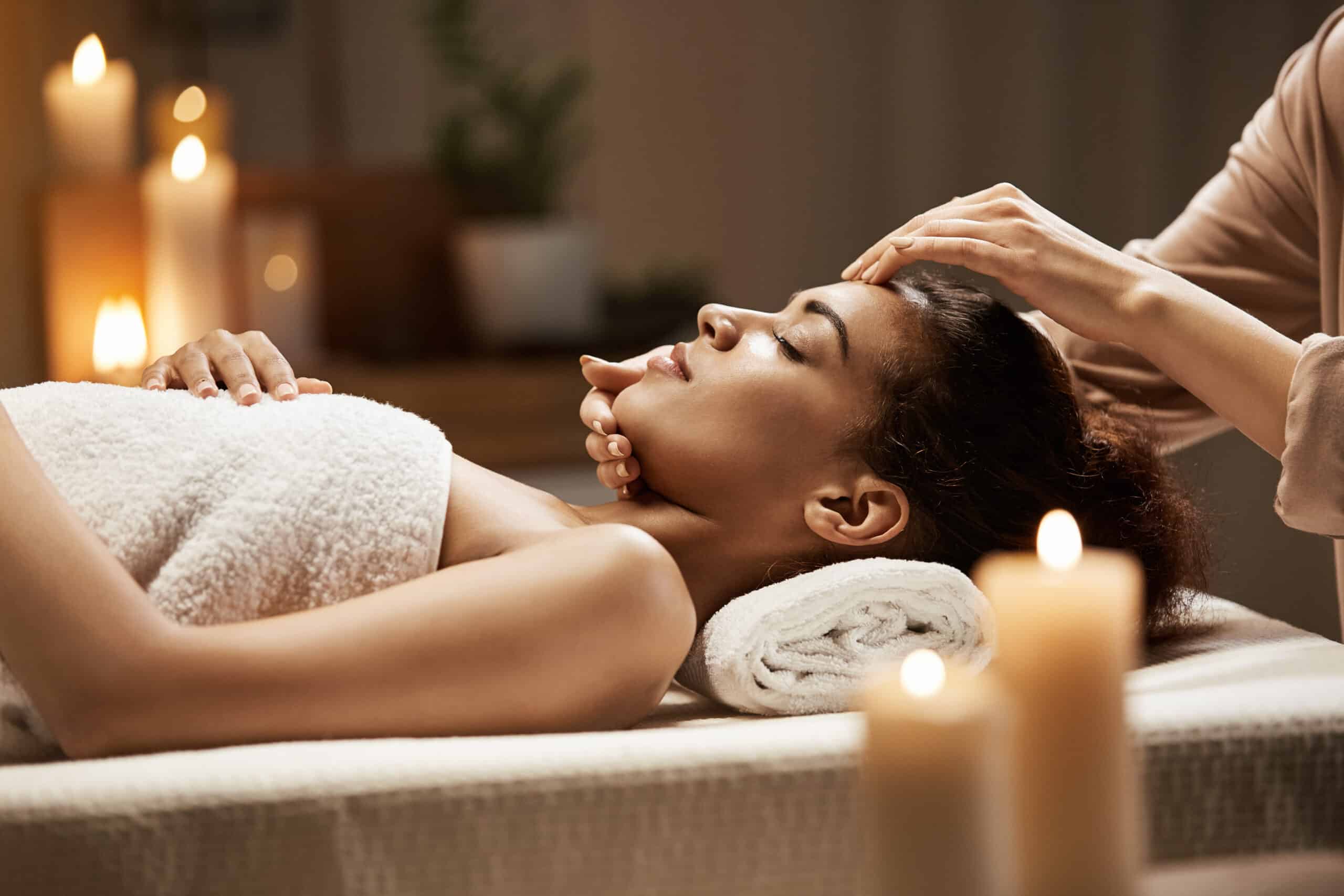
Spa photography should create calm, trust, and desire. A beautiful spa can look average online if the lighting is poor, the room is cluttered, or the photos feel too clinical.
Use soft lighting, natural textures, clean spaces, folded towels, candles, oils, water features, plants, robes, and warm tones. Avoid harsh overhead lighting, messy backgrounds, empty-looking rooms, or rushed images.
12.1 Spa photography essentials
Strong spa photography starts with light, space, and detail. Your visuals should make the viewer feel calm before they read the caption.
Focus on:
- Soft, warm lighting from candles, lamps, or diffused natural light
- Clean treatment rooms with no clutter in the background
- Natural textures such as wood, stone, towels, plants, and oils
- Close-up details of products, tools, robes, candles, and treatment beds
- Wide shots that show the full atmosphere of the spa
Avoid harsh overhead lighting because it can make the space feel clinical rather than relaxing.
Strong spa visuals include:
- Treatment beds prepared before an appointment
- Close-up massage techniques
- Facial product application
- Hot stones, oils, and skincare tools
- Relaxation lounges
- Pool, sauna, or hydrotherapy areas
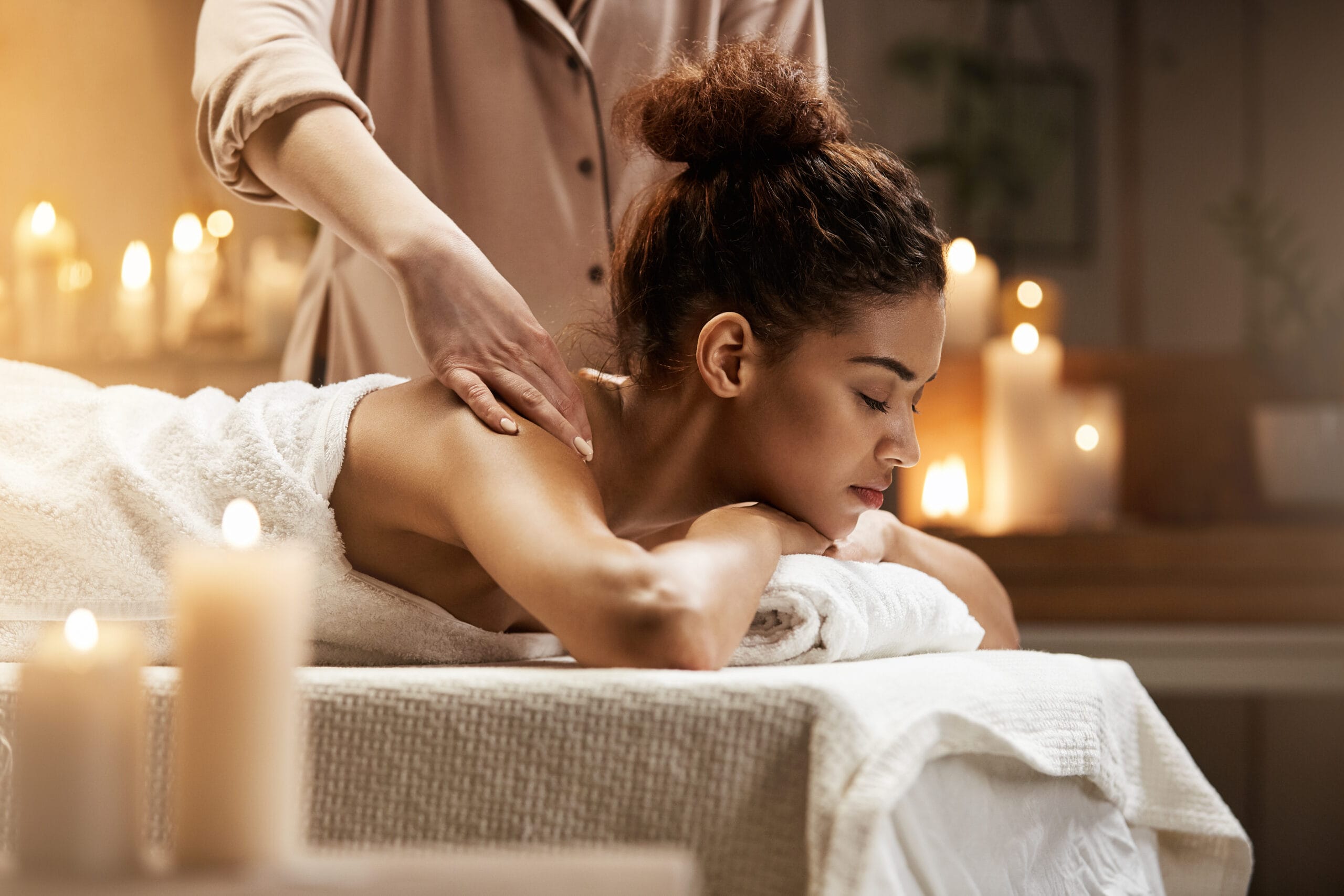
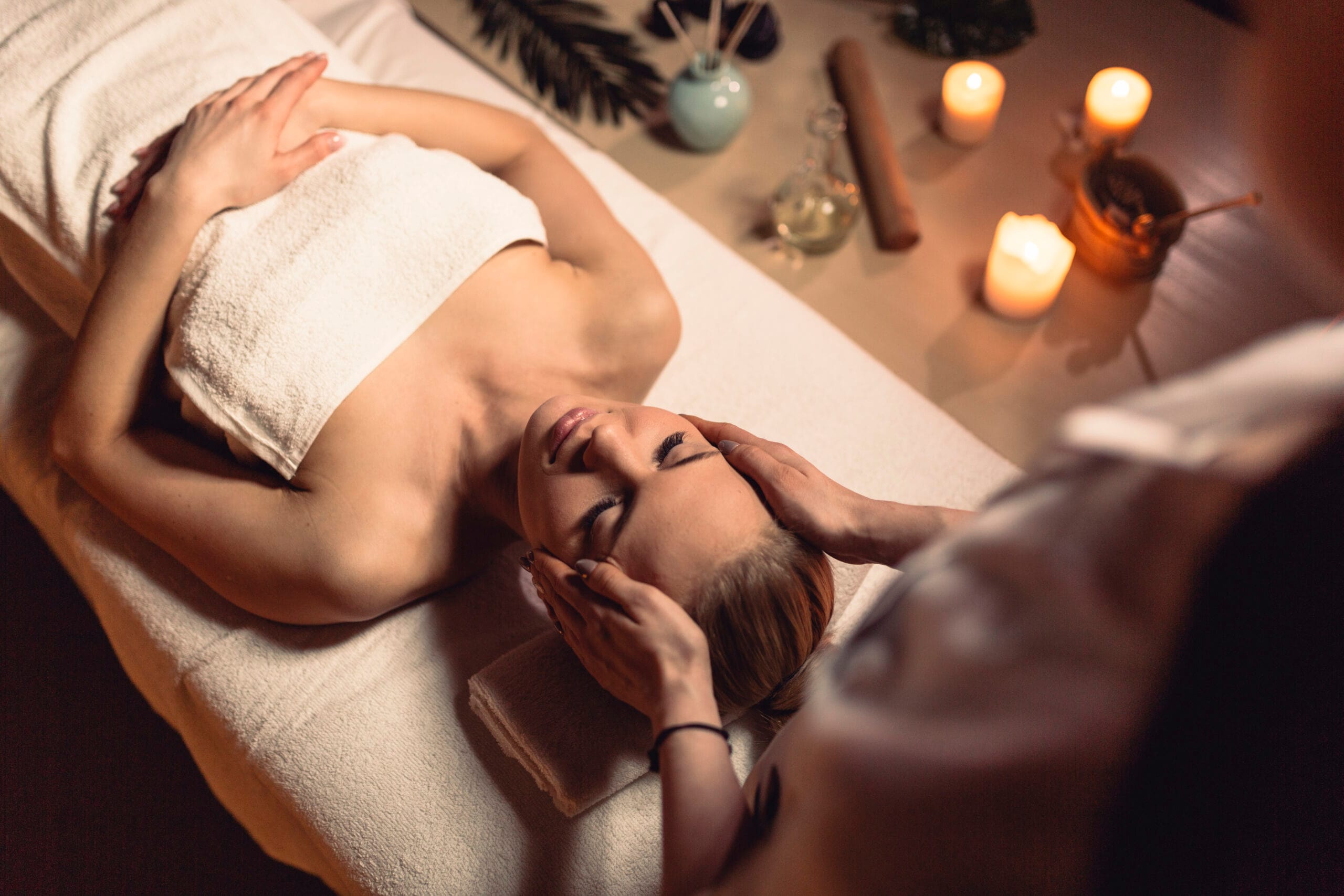
- Therapist hands at work
- Premium product details
- Gift voucher packaging
- Client relaxation moments, with permission
For medical spas, before-and-after content can work well, but only with clear consent, realistic timelines, and responsible claims. Avoid overpromising results.
Video content is especially important. Short treatment clips, ASMR spa sounds, room tours, therapist tips, and “what to expect” videos often perform better than static photos because they help people feel the experience.
12.2 Therapist and credibility photography
Therapist content builds trust because clients want to know who will treat them. Use professional but warm photos that make therapists feel approachable and credible.
Useful content includes:
- Therapist headshots
- “Meet your therapist” posts
- Therapist hands performing treatments
- Photos of therapists preparing rooms
- Credentials, certifications, and training highlights
- Therapist-specific client testimonials
This is especially important for first-time clients and medical spa social media marketing.
12.3 User-generated content for spas
User-generated content gives your spa authentic social proof. Encourage clients to tag your spa when they share their visit, then ask permission before reposting.
Use UGC to show:
- Real client experiences
- Happy gift voucher recipients
- Relaxed post-treatment moments
- Group spa days
- Testimonials and review screenshots
Add a gentle sign near photo-friendly spaces with wording such as:
Tag us @[SpaName] to share your spa day with us.
Let Your Social Media Drive Real Business Growth
From building brand awareness to generating enquiries and bookings, our social media strategies help hospitality brands turn attention into measurable results.
13. Building engagement and a wellness community
The strongest spa social media accounts create conversation, not just content. Engagement matters because many clients ask questions before booking.
They may want to know which treatment is right for them, whether a massage suits their needs, how long a facial takes, whether gift vouchers expire, or whether group bookings are available.
Responding quickly to comments and DMs can directly increase bookings. Aim to reply during business hours as quickly as possible, especially when someone asks about appointments, prices, availability, or vouchers.
Use interactive content to build community:
- Polls: “Massage or facial this weekend?”
- Questions: “What is your biggest skincare concern?”
- Quizzes: “Which treatment suits your stress level?”
- Challenges: “7 days of self-care”
- Giveaways: “Tag someone who deserves a spa day”
- Story stickers: countdowns, booking reminders, and availability updates
Community content should also celebrate clients. Share testimonials, repost user-generated content with permission, highlight regular clients, and thank people who leave positive reviews.
This turns your social media from an online brochure into a living wellness community.
14. Spa community management best practices
Spa community management means responding to followers in ways that build trust and support bookings. Comments, DMs, reviews, and tagged posts should not be treated as small tasks. They are part of the client experience.
Use these rules:
Reply to booking questions as quickly as possible during business hours

Answer treatment questions clearly and helpfully
Use the client’s name when possible

Thank people personally for compliments and reviews
Move sensitive concerns to private messages or phone calls
Follow up when someone asks about availability but does not book
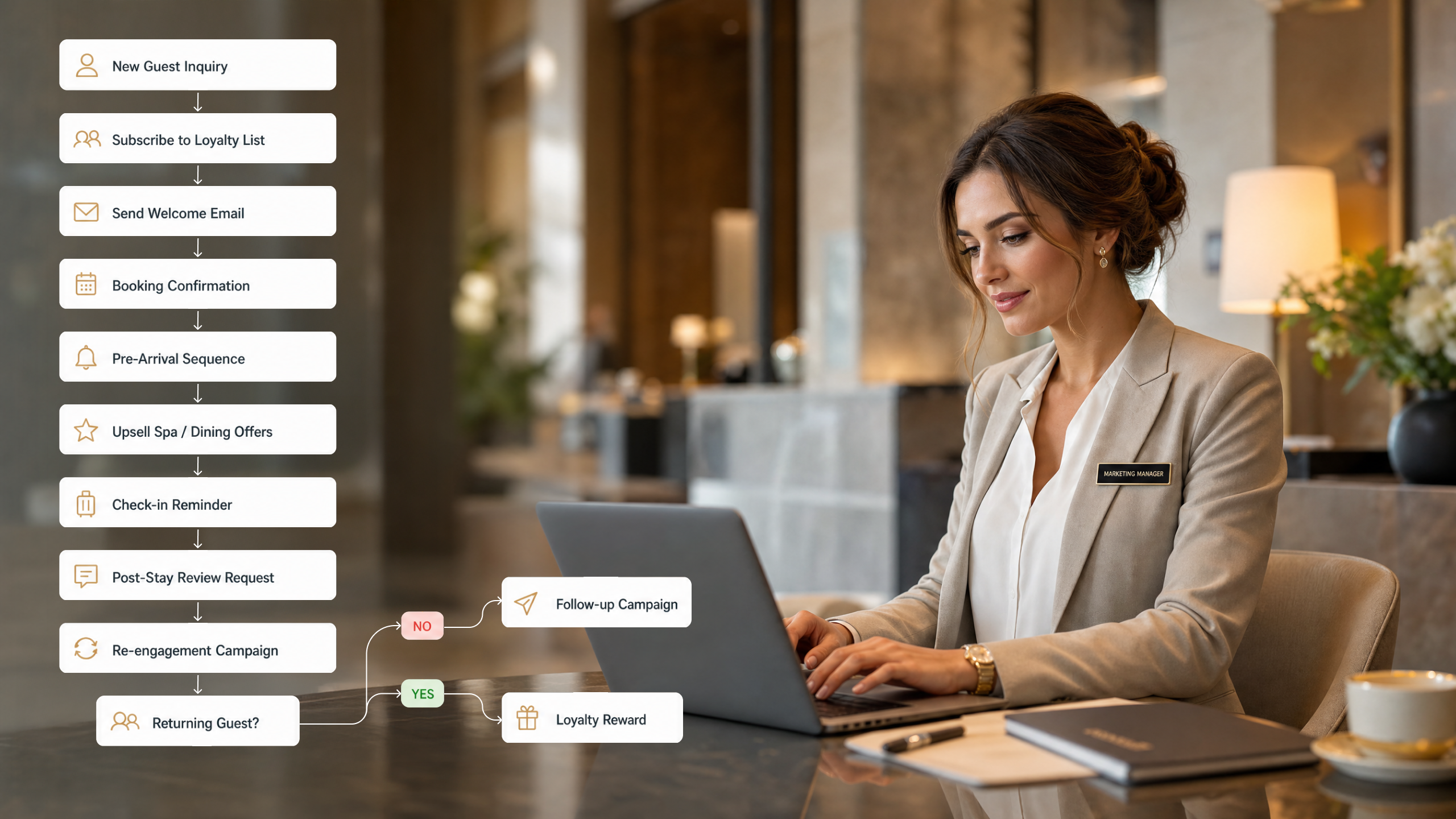
14.1 Loyalty and repeat client strategies
Social media should also help existing clients come back more often. Use it to promote loyalty, membership, and referral programmes.
Content ideas include:
- “Member-only first look” posts for new treatments
- Loyalty reward reminders
- Birthday treatment offers
- “Refer a friend” campaigns
- Member testimonials
- Seasonal rebooking reminders
- “It’s been a while” re-engagement offers
This supports spa membership promotion and helps turn social media followers into regular clients.
15. Influencer partnerships for UK spas
Influencer partnerships can work well for UK spas when you choose local creators with trusted, engaged audiences. A local micro-influencer with a smaller but relevant audience can often bring better booking intent than a large influencer with no local reach.
Look for wellness creators, yoga teachers, beauty bloggers, local lifestyle influencers, bridal creators, fitness professionals, and mental health advocates. Prioritise people whose audience matches your spa’s location, price point, and service style.
Before agreeing to a collaboration, define:
- What treatment will they receive
- What content will they create
- How many posts, Stories, Reels, or TikToks are expected
- When will the content go live
- Which tags, links, and hashtags should be included
- Whether your spa can reuse the content
- Whether the review must remain honest and authentic
The goal is not just exposure. The goal is trusted, local, bookable influence.
16. Social media advertising for spas
Paid social media helps spas reach more of the right people. Organic content builds trust, but ads can help you promote key treatments, fill appointment gaps, sell gift vouchers, and retarget people who showed interest but did not book.
Paid campaigns are especially useful for:
- Gift voucher sales
- Last-minute appointment availability
- New treatment launches
- Retargeting website visitors
- Local awareness
- Mother’s Day and Christmas campaigns
- Hen parties and group bookings
- Corporate wellness packages
For spas, the most useful campaign types are awareness, engagement, booking conversion, retargeting, gift voucher, and seasonal campaigns.
| Campaign Type | Goal | Best Content |
| Awareness | Introduce the spa locally | Spa tours, ambience, therapist introductions |
| Booking | Drive appointments | Offers, treatment benefits, “Book Now” CTAs |
| Gift voucher | Sell vouchers | Gift guides, packaging, occasion-led messaging |
| Retargeting | Re-engage warm audiences | Testimonials, reminders, limited-time offers |
| Seasonal | Capture peak demand | Mother’s Day, Christmas, Valentine’s Day, summer prep |
17. Suggested social media ad budgets for UK spas
Ad budgets depend on location, competition, treatment price, and booking goals. These ranges can be used as planning benchmarks.
| Campaign Type | Suggested Monthly Budget | Best Use |
| Awareness campaigns | £150–£400 | Introducing the spa to local audiences |
| Engagement campaigns | £200–£500 | Building interest and consideration |
| Booking campaigns | £400–£1,000 | Driving direct treatment bookings |
| Retargeting campaigns | £150–£350 | Reaching warm audiences who did not book |
| Group booking campaigns | £300–£700 | Promoting hen parties, events, and corporate bookings |
During major gift periods such as Mother’s Day and Christmas, increase spending around your best-performing gift voucher campaigns.
18. Platform-specific advertising strategies
| Platform | Best Ad Formats | Best For |
| Stories ads, Reels ads, carousel ads | Treatment discovery, spa ambience, gift vouchers | |
| Carousel ads, video ads, event ads | Local offers, reviews, gift buyers, group bookings | |
| TikTok | In-feed ads, Spark ads | Younger audiences, ASMR, wellness trends |
| Promoted pins, gift guide pins | Gift voucher planning and seasonal inspiration | |
| Search ads, local ads, Maps visibility | High-intent “spa near me” searches |
Use Instagram and Facebook to create visual demand. Use Google for high-intent local searches. Use Pinterest when gift planning is important.
18.1 Awareness campaigns
Awareness campaigns introduce your spa to local people who may not know you exist. Use calming visuals, room tours, treatment highlights, therapist introductions, and brand story content.
18.2 Booking campaigns
Booking campaigns focus on direct appointment growth. Use clear offers, strong treatment benefits, simple calls to action, and mobile-friendly booking pages.
18.3 Gift voucher campaigns
Gift voucher campaigns should start before key dates. Promote Mother’s Day, Christmas, Valentine’s Day, birthdays, and anniversaries early.
Show the voucher, packaging, treatment options, price points, and delivery method so buyers can make a quick decision.
18.4 Retargeting campaigns
Retargeting is one of the most valuable ad strategies for spas. It lets you reach people who visited your website, engaged with your Instagram, clicked an ad, or viewed your booking page but did not book.
Retargeting content can include reminders, testimonials, limited-time offers, and “still thinking about a spa day?” messaging.
19. Turning followers into bookings
A spa can have beautiful content and still lose bookings if the profile is not set up for conversion. Your social media profile should make the next step obvious.
On Instagram, your bio should explain who you help, where you are based, and how to book. Use a clear booking link, contact buttons, location details, and Highlights for treatments, reviews, gift vouchers, and booking information.
On Facebook, make sure your opening hours, services, reviews, address, map, phone number, and booking button are all up to date.
Your booking journey should be simple on mobile. A follower should be able to move from post to profile, profile to booking page, and booking page to confirmation without confusion.
Reduce booking friction by including:
- A clear “Book Now” button
- Real-time availability
- Mobile-friendly booking pages
- Simple treatment descriptions
- Easy gift voucher purchase options
- Clear pricing or starting prices
- Confirmation emails or SMS messages
- Direct contact options for group bookings
For gift vouchers, create a dedicated landing page. Do not make buyers search through the whole website. Show voucher options, delivery methods, expiry details, treatment ideas, and recipient experience clearly.
20. Spa gift voucher marketing on social media
Spa gift voucher marketing works best when vouchers are presented as thoughtful experiences rather than backup presents. Gift vouchers generate immediate revenue and can attract new clients to your spa.
Instead of saying “Gift vouchers available,” use emotional and occasion-led messaging.
Examples include:
- “Give Mum the afternoon she would never book for herself.”
- “A thoughtful Christmas gift for someone who needs to slow down.”
- “A thoughtful birthday treat for the friend who is always taking care of everyone else.”
- “A couple’s spa experience made for Valentine’s Day.”
- “A self-care gift that feels personal, not last-minute.”
Show the voucher visually. Show the packaging. Show the treatment room. Show what the recipient will experience.
Create gift guides for different budgets and audiences, including gifts for mums, partners, brides, stressed professionals, and luxury wellness gifts.
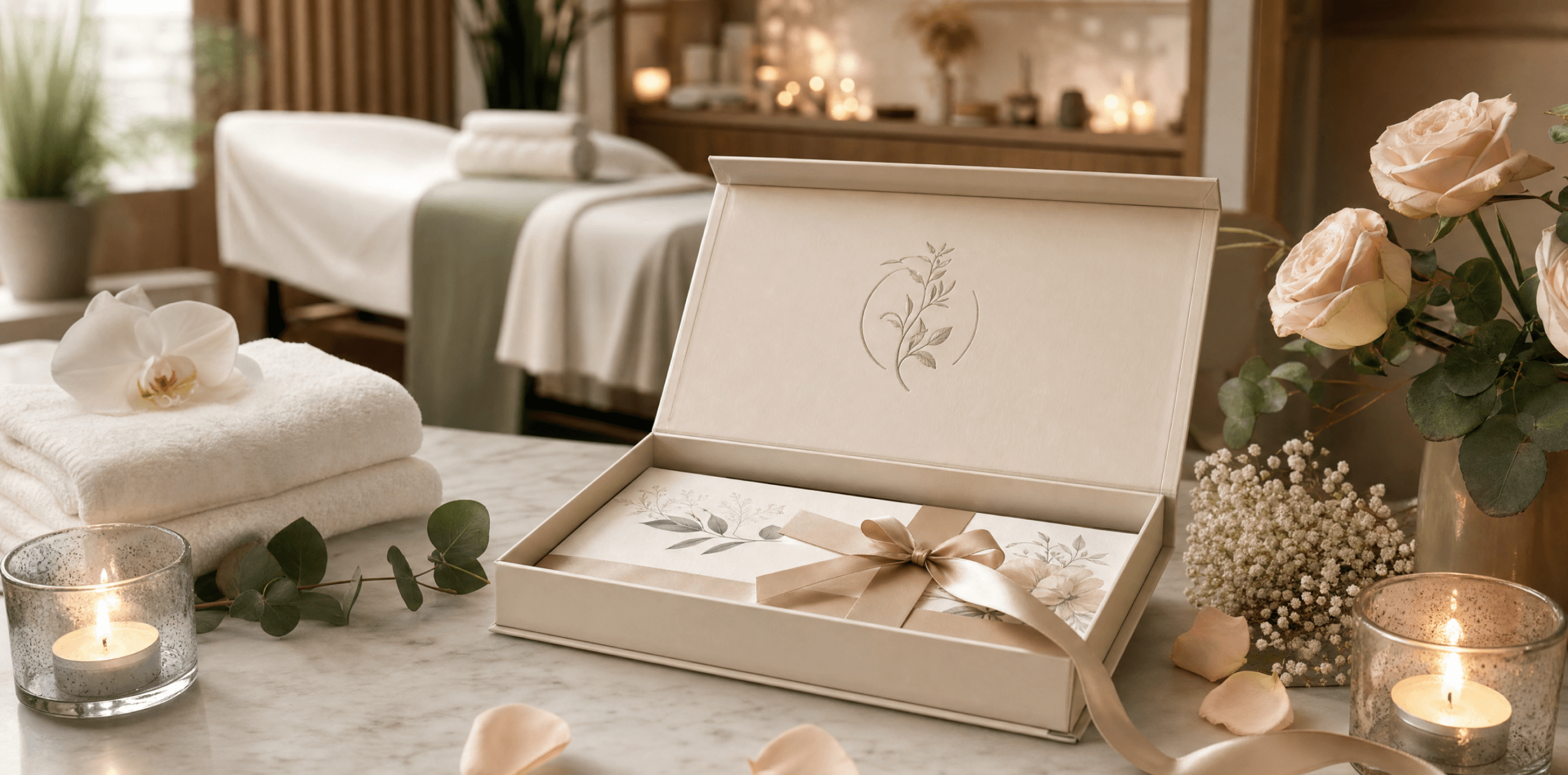
Gift voucher content should always show the experience behind the gift. Show the voucher, the room, the treatment, and the feeling the recipient will get.
21. Spa gift voucher campaign timeline
| Occasion | When to Start | Content Focus | Best Platforms |
| Mother’s Day | 6–8 weeks before | Mum-focused gift guides, pampering packages, premium packaging | Instagram, Facebook, Pinterest |
| Christmas | 10–12 weeks before | Gift guides, luxury packaging, digital and physical vouchers | Instagram, Facebook, Pinterest |
| Valentine’s Day | 4–6 weeks before | Couples treatments, romantic packages, self-love messaging | Instagram, Facebook |
| Birthdays | Always-on | Birthday vouchers, milestone gifts, group packages | Instagram, Facebook, Pinterest |
22. Managing your spa’s online reputation
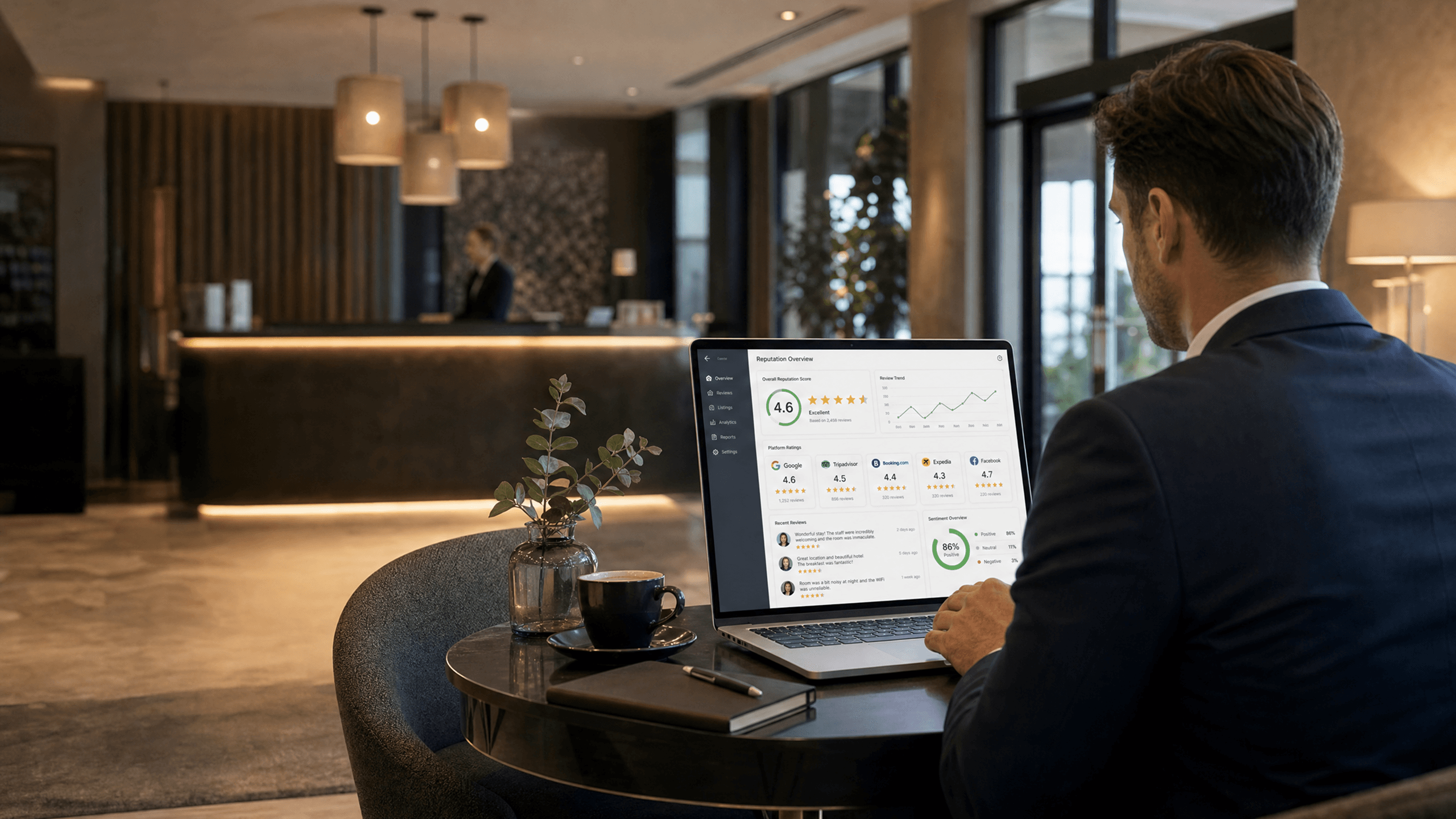
Spa reputation management on social media helps protect trust and improve bookings. People trust other clients, so reviews, tagged posts, testimonials, and comments can influence whether someone books.
Monitor your spa name, location tags, reviews, comments, DMs, and mentions. Respond to positive reviews warmly and personally. Mention the treatment or therapist where appropriate.
For negative reviews, respond quickly and calmly. Apologise where needed, acknowledge the concern, and move the conversation to private messages or phone calls. A thoughtful response can protect trust and show future clients that you take feedback seriously.
Use positive social proof regularly:
- Google review screenshots
- Treatwell or TripAdvisor reviews
- Client testimonials
- Video reviews
- Before-and-after feedback
- Therapist-specific praise
- Awards and certifications
- Hygiene and safety standards
Social proof should not stay hidden on review platforms. Bring it into your content plan.
23. Tools and resources for spa social media
The right tools help spas create better content, schedule posts, track results, and manage reviews without overwhelming the team.
23.1 Content Creation Tools
| Tool | Best Use |
| Canva | Gift voucher graphics, social templates, offer posts |
| Lightroom Mobile | Consistent photo editing and spa-style presets |
| VSCO | Soft filters and calming colour grading |
| Snapseed | Quick mobile photo edits |
| CapCut | Reels, TikToks, treatment videos, ASMR clips |
| InShot | Simple video trimming, text overlays, and Stories |
23.2 Scheduling and Management Tools
| Tool | Best Use |
| Meta Business Suite | Free Facebook and Instagram scheduling |
| Later | Visual Instagram planning and scheduling |
| Buffer | Simple multi-platform scheduling |
| Hootsuite | Scheduling, social listening, and team management |
| Planoly | Instagram grid planning and visual layout |
23.3 Analytics and tracking tools
Use analytics tools to understand which content drives interest, bookings, and revenue.
Useful tools include:
- Instagram Insights
- Facebook Insights
- Google Analytics
- UTM tracking links
- Link tracking tools such as Bitly
- Booking system reports
- Meta Ads Manager
23.4 Appointment booking and reputation tools
Booking and review tools help turn social interest into confirmed appointments.
Examples include:
- Mindbody
- Acuity Scheduling
- Booksy
- Treatwell
- Square Appointments
- Google Alerts
- Mention
- Hootsuite social listening
These tools support spa appointment booking, social media, reputation management, and ROI tracking.
24. Measuring social media ROI for spas
Social media ROI for spas should be measured through bookings, gift voucher sales, enquiries, and revenue, not just likes. Creative content matters, but it should connect to business results.
Track awareness, engagement, conversion, and revenue metrics.
| Metric Type | What to Track |
| Awareness | Reach, impressions, follower growth, profile visits, video views |
| Engagement | Comments, saves, shares, Story replies, DMs, link clicks |
| Conversion | Appointments, gift voucher sales, phone calls, form submissions |
| Revenue | Average booking value, repeat bookings, voucher revenue, ROAS |
Use tracking methods such as:
- Unique discount codes
- UTM links
- Booking source questions
- Social-specific landing pages
- Call tracking numbers
- Google Analytics
- Booking system reports
- Meta ad tracking
24.1 Social media ROI formula for spas
To understand whether social media is paying off, look at how much revenue it brings in compared with what you spend to run it.
ROI = (Social Media Revenue – Social Media Investment) / Social Media Investment × 100
Example:
| Item | Amount |
| Content tools | £40 |
| Paid advertising | £800 |
| Photography props | £50 |
| Total monthly cost | £890 |
If social media generates:
| Revenue Source | Amount |
| 25 appointments at £60 average value | £1,500 |
| 8 gift vouchers at £75 average value | £600 |
| Total social revenue | £2,100 |
Then:
ROI = (£2,100 – £890) / £890 × 100 = 135.9%
This helps connect social media work with outcomes that matter, such as enquiries, bookings, repeat visits, and gift voucher sales.
24.2 Realistic social media benchmarks for UK spas
| Account Stage | Expected Result |
| New spa account, 0–6 months | 50–150 new followers per month, early engagement, 3–8 social-attributed bookings |
| Established spa account, 6+ months | 5–10% monthly follower growth, stronger engagement, 15–30 social-attributed bookings |
| Healthy Instagram engagement | Around 2–4%, depending on content quality and audience |
| Gift voucher performance | Strongest around Mother’s Day, Christmas, Valentine’s Day, and birthdays |
These are planning benchmarks, not guaranteed results. Performance depends on location, offer quality, treatment pricing, visual content, ad budget, and booking journey.
A simple monthly review should answer:
- Which posts created the most booking enquiries?
- Which treatments received the most interest?
- Which platform drove the most traffic?
- Which ads generated bookings or voucher sales?
- Which content received the most saves and shares?
- Which client questions appeared most often?
- What should we repeat next month?
This turns social media from guesswork into a growth system.
25. Common social media mistakes spas make
Many spas struggle with social media because they treat it as a task rather than a strategy. The biggest mistake is posting without a clear link to bookings, trust, or client retention.
- Using poor lighting or cluttered room photos
- Posting only offers and “Book now” messages
- Ignoring video content
- Not showing therapists or treatment expertise
- Using generic wellness quotes instead of spa-specific advice
- Leaving DMs and comments unanswered
- Giving generic replies to client questions
- Ignoring reviews and tagged posts
- Not encouraging user-generated content
- Failing to build a real wellness community
- Posting without clear goals
- Trying to manage too many platforms at once
- Not planning seasonal campaigns early enough
- Forgetting gift voucher marketing
- Not tracking which posts drive enquiries or bookings
- Running ads without retargeting
- Targeting people who are too far from the spa
- Using generic stock-style images
- Sending traffic to a slow or confusing booking page
- Setting campaigns live and not reviewing performance
The solution is not to post more for the sake of it. The solution is to create a focused strategy that connects content, community, advertising, and booking conversion.
26. Advanced strategies for competitive spa markets
In competitive UK spa markets, your content needs sharper positioning. Generic “relax and unwind” messaging is not enough. You need a clear reason why your spa is different.
This could be:
- A luxury hotel spa experience
- A specialist facial clinic
- A holistic wellness retreat
- A medical spa with advanced skin treatments
- A boutique day spa for busy professionals
- A sustainable or organic spa
- A bridal and hen party specialist
- A corporate wellness partner
- A therapist-led expert treatment centre
Once your niche is clear, create content consistently around it.
For example, a medical spa should focus on treatment education, therapist credentials, skin journeys, and realistic results. A day spa should focus on local convenience, stress relief, accessible luxury, and regular self-care.
A wellness retreat should focus on transformation, environment, nature, and mind-body restoration.
You can also strengthen local relevance by partnering with nearby hotels, restaurants, gyms, bridal shops, yoga studios, salons, and wellness practitioners. Local collaborations help you reach people who already value lifestyle, beauty, and wellness experiences.
26.1 Use live content for real-time engagement
Live content can help spas build trust and answer client questions in real time.
Ideas include:
- Live Q&A sessions with therapists
- Short spa tours
- Treatment explanation sessions
- Guided breathing or relaxation sessions
- Live product or skincare education
- Real-time last-minute appointment updates
This works well on Instagram and Facebook, especially when promoted in advance through Stories.
26.2 Build collaborative partnerships
Partnerships help spas reach audiences that already care about wellness, beauty, hospitality, or lifestyle.
Strong partnership ideas include:
- Local hotels are promoting spa packages
- Gyms promoting recovery treatments
- Bridal shops promoting pre-wedding spa packages
- Restaurants creating spa-and-dining experiences
- Yoga teachers or nutritionists joining wellness events
- Local charities or community initiatives
26.3 Amplify referrals through social media
Referral programmes work better when they are visible. Use social media to remind happy clients that they can refer friends.
Examples include:
- “Bring a friend” treatment offers
- Referral reward posts
- Client milestone celebrations
- Ambassador-style programmes for loyal clients
- Group booking referral incentives
This turns existing clients into a source of new bookings.
27. Social media marketing investment expectations for spas
Turn Data into a Smarter Social Media Strategy
With a data-driven social media strategy, you can understand what works, optimise your content, and turn engagement into enquiries, bookings, and long-term growth.
The right level of support depends on your budget, team capacity, and growth goals.
| Approach | Estimated Cost | Time Required | Best For |
| DIY | £100–£300 per month | 8–12 hours per week | Small spas with time to create and manage content |
| Freelancer support | £500–£1,200 per month | 3–5 hours per week for approvals | Spas that need consistency and basic campaign support |
| Agency partnership | £1,500–£3,500 per month | 2–3 hours per week for collaboration | Spas that need strategy, content, ads, reporting, and growth support |
28. Important note on benchmarks and statistics
Some performance ranges in this guide should be treated as planning benchmarks, not guaranteed outcomes. Before publishing any exact statistic, replace it with verified ThisRapt data, client benchmarks, or cited third-party research.
If no source is available, keep the language directional instead of making exact statistical claims.
29. Conclusion: Social media is your spa’s modern wellness community
Social media has become one of the most important channels for UK spas to discover and book. It is where people look for inspiration, compare experiences, check reviews, ask questions, and decide whether a spa feels right for them.
The spas that win in 2026 will not be the ones posting the most. They will be the ones posting with strategy.
They will clearly show their treatments, build trust through therapist expertise, create calming visual content, answer client questions, promote gift vouchers early, run targeted campaigns, and make booking easy.
Your spa’s social media should feel like the first step into the experience: calm, professional, welcoming, and easy to trust.
30. SMM Spas FAQs
Instagram is usually the best platform for UK spas because spa marketing is highly visual. It works well for treatment videos, room photography, Reels, Stories, therapist introductions, and gift voucher content. Facebook is also useful for local community building and gift buyers, while Pinterest can support seasonal gift planning.
Most spas should post consistently each week rather than rushing daily content. A strong starting point is five to seven Instagram posts per week, regular Stories, four to five Facebook updates, and weekly Pinterest pins during gift seasons. Quality, consistency, and clear booking links matter more than volume.
Yes, social media marketing can increase spa bookings when it is connected to a clear strategy. Strong visuals, treatment education, therapist credibility, client reviews, direct booking links, retargeting ads, and seasonal campaigns can all help turn followers into clients.
The right budget depends on location, competition, treatment price, and goals. Smaller independent spas may start with £150–£400 per month for awareness and retargeting, then increase spend around Mother’s Day, Christmas, Valentine’s Day, and other high-demand periods.
Spas should start promoting gift vouchers early. For Mother’s Day, begin around six to eight weeks before the date. For Christmas, begin around ten to twelve weeks before Christmas so you can reach organised gift buyers before they purchase elsewhere. Valentine’s Day campaigns should usually begin four to six weeks ahead.
The best spa social media content shows the experience, explains treatment benefits, builds trust, and makes booking easy. Treatment videos, therapist spotlights, client testimonials, relaxing room photography, gift voucher posts, seasonal treatment guides, and behind-the-scenes content all work well.
Spas can measure social media ROI by tracking bookings, gift voucher sales, website clicks, phone calls, DMs, booking form submissions, and revenue from social campaigns. Use UTM links, unique offer codes, booking source questions, call tracking, and monthly reporting to connect social activity to real business results.

Great content! Keep up the good work!