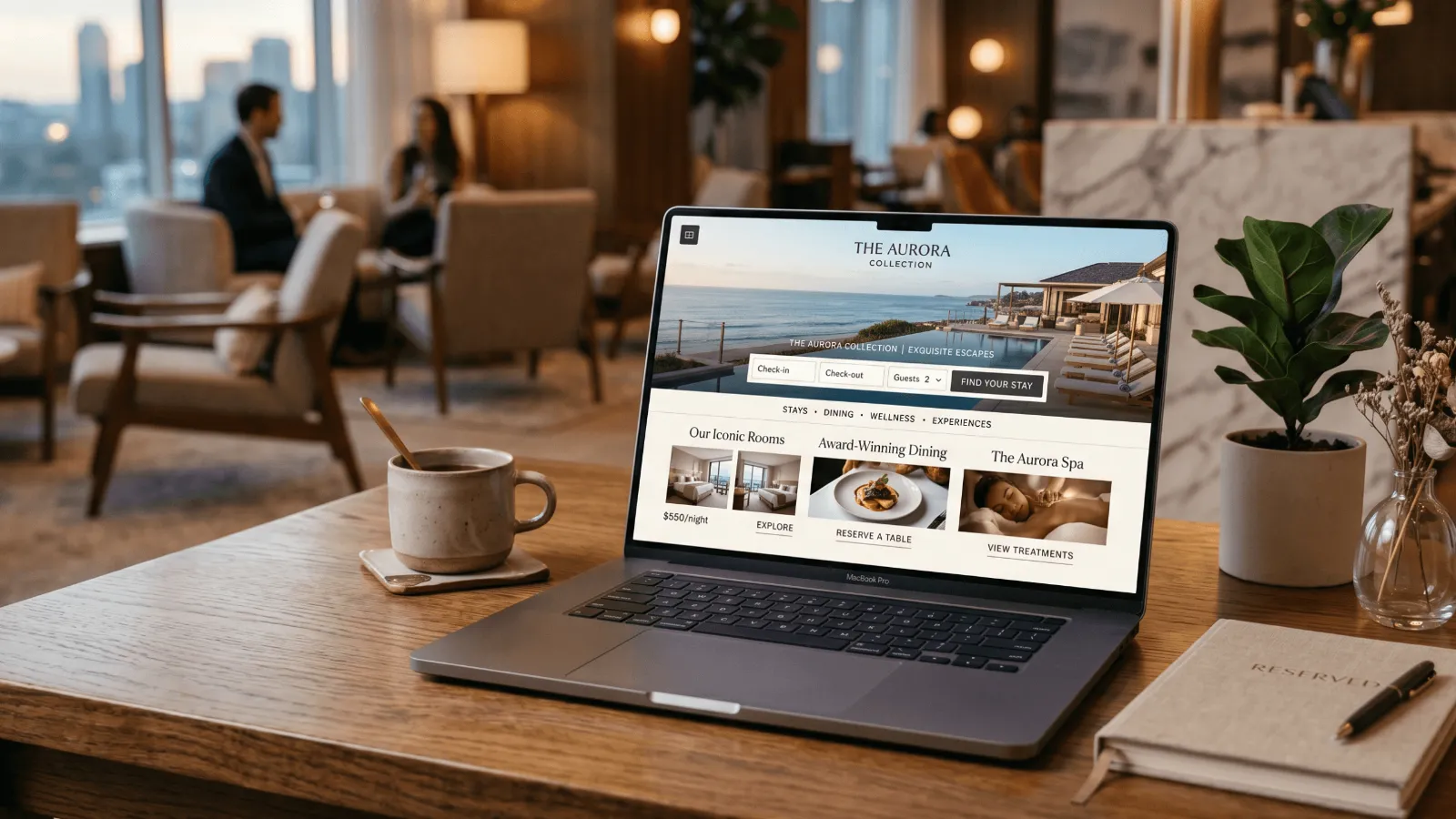
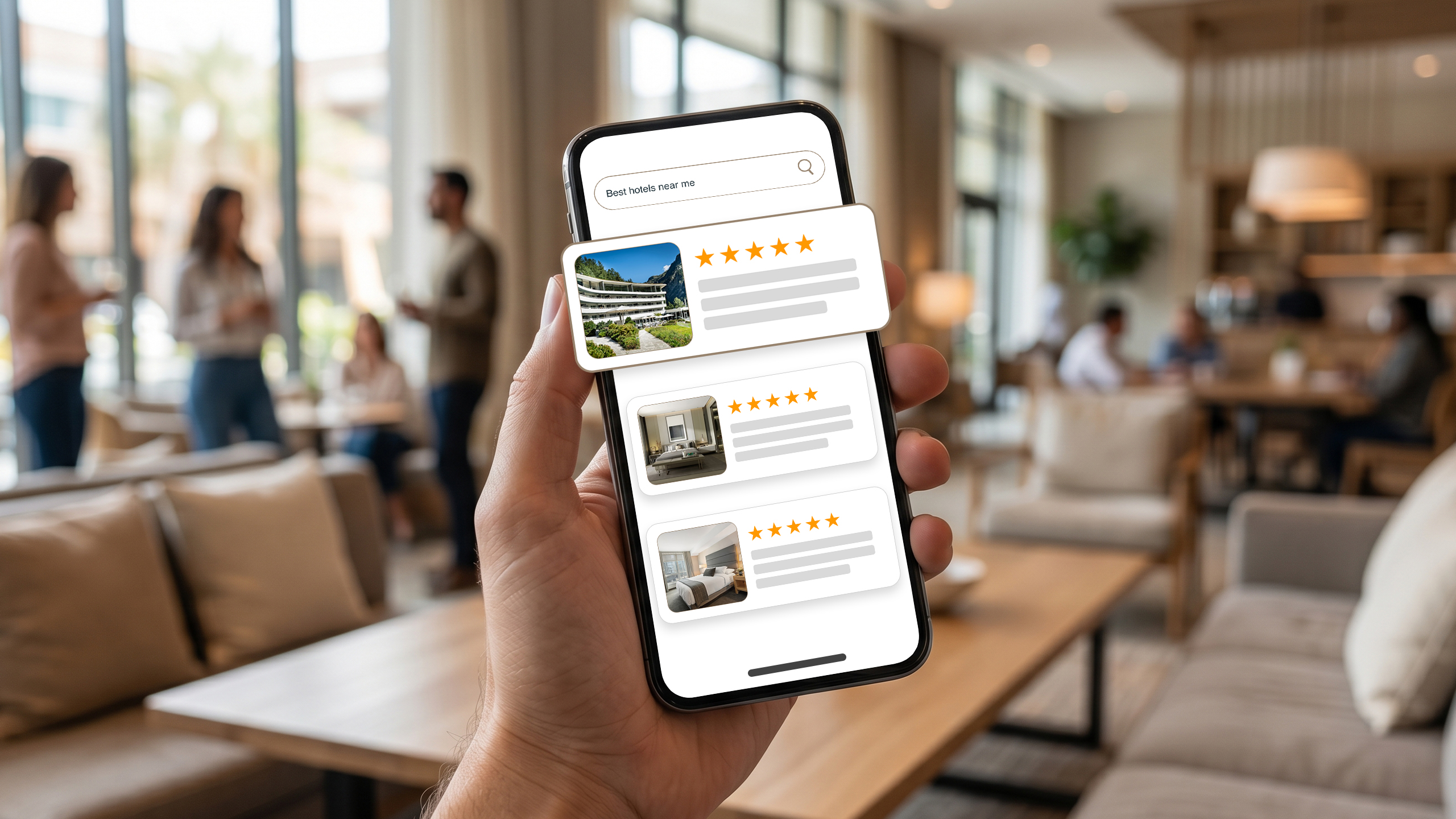
In a hospitality setup, guest experience is the most important aspect. But people tend to get the whole meaning of experience wrong. Experience is not only about how you treat your guests or how pampered they feel, but also about how you communicate with them. Due to this misconception, many hotels, restaurants, and spas rely on third-party platforms and fragmented marketing channels for communication with their audience.
This is where you need to focus on hospitality email marketing.
Email is one of the highest ROI marketing channels globally. It has been delivering an average of $36 for every $1 spent (Litmus, 2023). Talking specifically about hospitality businesses, this impact is even more significant, as email directly influences repeated bookings, guest retention, and personalised experiences.
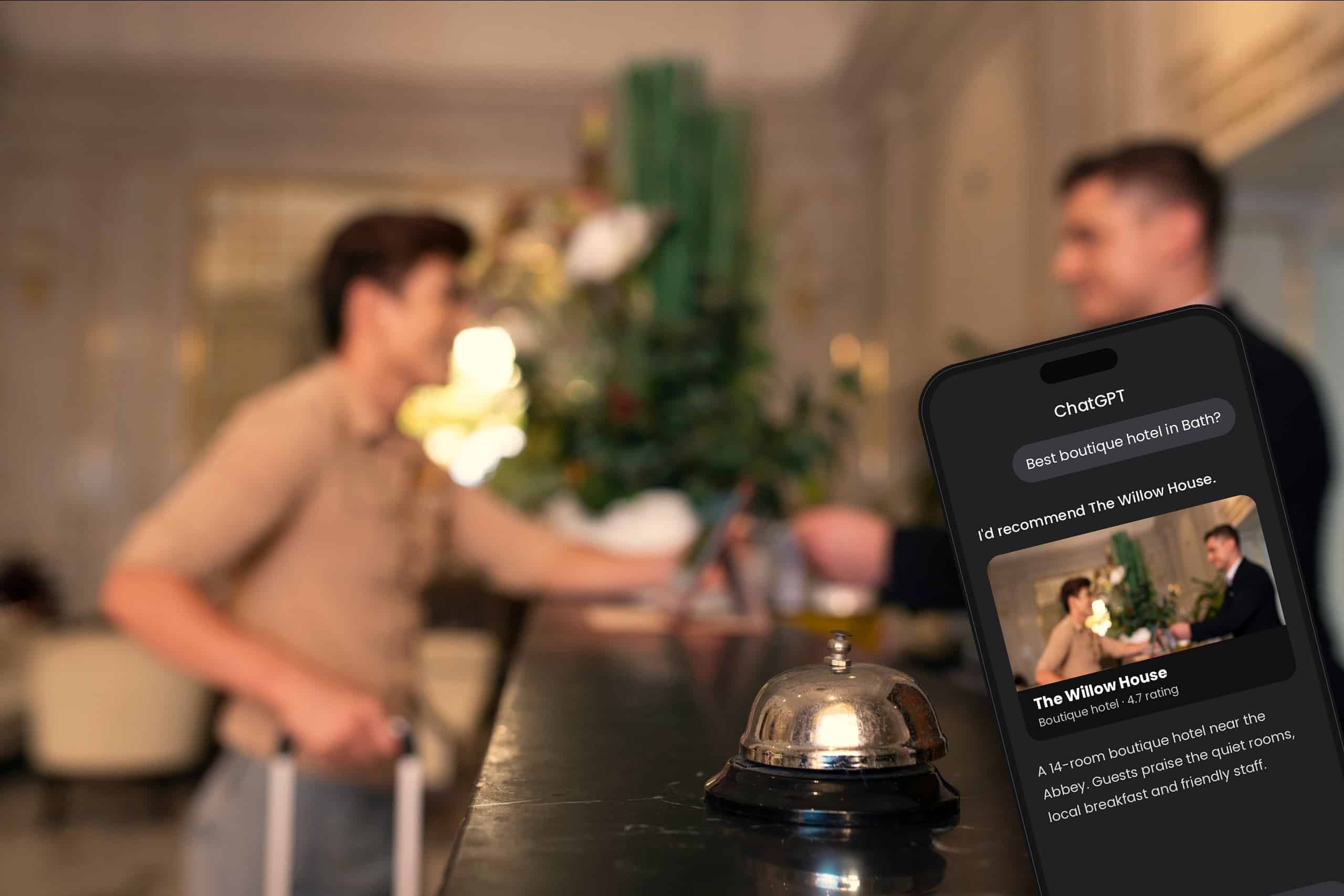
Unlike the online travel agencies and advertising channels, email allows businesses to own the relationship with their customers. Instead of participating in the competition for visibility on crowded platforms, brands can communicate with their audience directly, build trust over time, and drive bookings without paying recurring amounts for ads.
This is also important because OTAs typically charge 15-20% commission per booking (Statista, 2024), which significantly reduces the profit margins for hospitality businesses.
By adapting the right strategy, email marketing enables businesses to:
- Reduce OTA dependencies and increase direct bookings.
- Build realistic long-term relationships with their customers.
- Deliver personalised experiences to guests throughout their journey.
- Improve lifetime customer value and retention.
Talking about UK-based hospitality businesses operating in such a highly competitive and experience-driven market, email marketing should not be treated as an option anymore. It is a critical component for sustainable growth.
1. What is hospitality email marketing? Why it matters
To understand hospitality email marketing at its core, think of it as the use of email to build, nurture, and retain relationships with guests across hotels, restaurants, and spas.
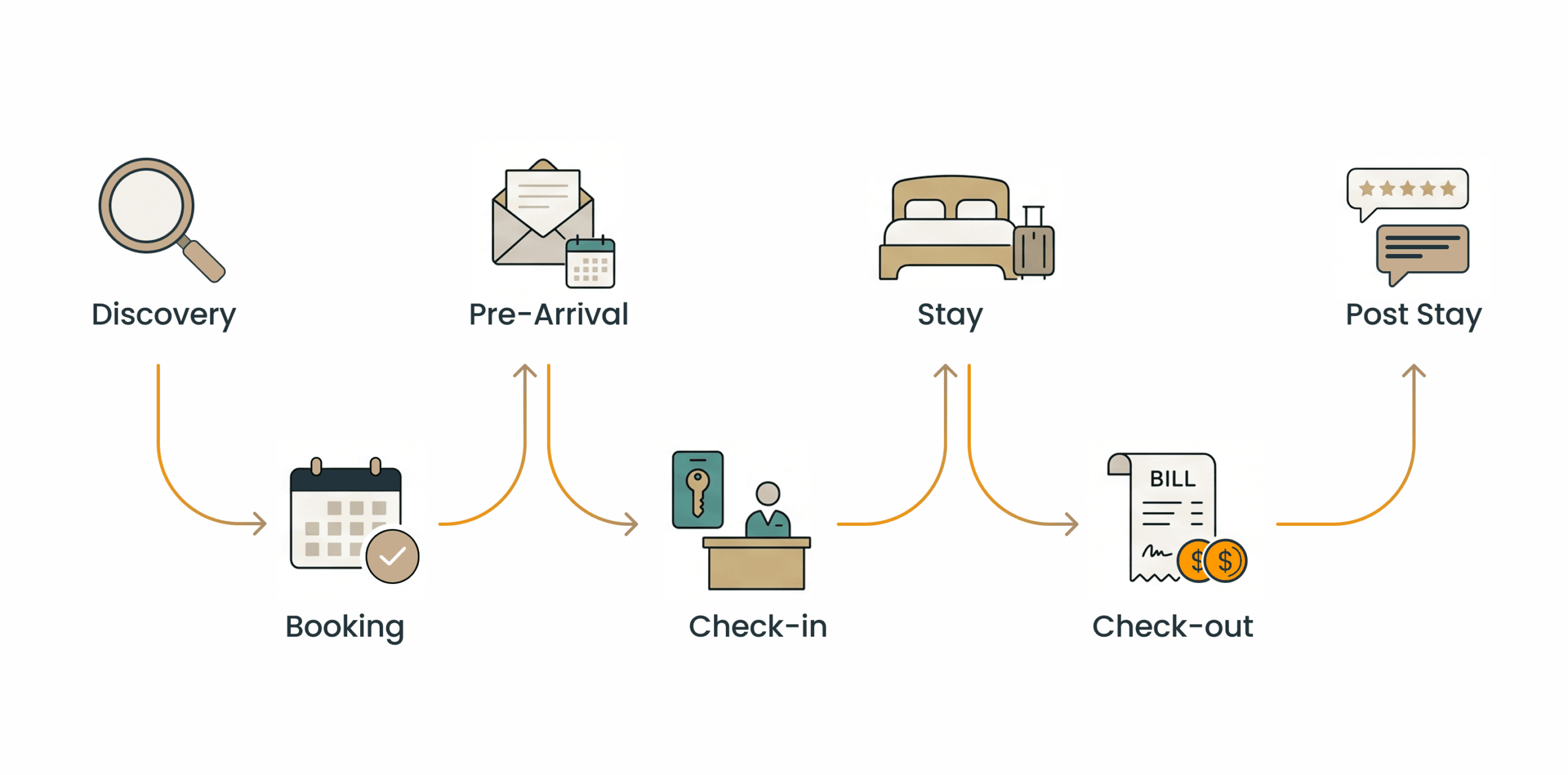
You can only say an email marketing strategy is well executed when it connects all the phases of a guest journey. Leading hospitality brands treat email marketing as the central communication system that supports:
- Guest acquisition
- Booking conversions
- Experience enhancement
- Post-visit engagement for retention
2. Why email marketing is critical for hospitality businesses
2.1 Ownership of the customer relationship
One of the biggest challenges that hospitality businesses face is the lack of customer data when bookings are made through third-party platforms.
Email marketing can solve this by giving businesses full control over:
- Guest communication
- Data collection and insights
- Long-term relationship building
This ownership allows brands to shift from transaction-based interactions to relationship-driven engagement.
a. Building direct communication channels.
Email marketing allows hospitality businesses to establish a direct line of communication with their guests without relying on third-party platforms.
Unlike social media or OTAs, email marketing ensures that your message reaches your audience in a more consistent and personalised way.
By building a strong email database, businesses can:
- Update customers regarding the latest offers without platform restrictions.
- Deliver content based on guest preference.
- Maintain consistent engagement across the complete guest cycle.
Over time, this communication channel becomes an asset that allows hospitality brands to strengthen relationships, improve retention, and drive repeat bookings more effectively.
b. Reducing dependency on OTAs and third-party platforms.
OTAs and aggregator platforms are good for visibility, but they cost not only financially but also strategically.
A heavy reliance on these platforms means:
- High commission fees
- Limited access to guest data
- Reduced brand differentiation
While a strong direct booking email strategy helps businesses:
- Encourage repeat bookings directly
- Provide exclusive offers to subscribers
- Build loyalty outside third-party platforms
c. Lower cost per acquisition compared to other channels
In terms of cost efficiency, email marketing consistently outperforms many digital channels.
Unlike paid ads, where visibility is limited to spending, email allows businesses to:
- Re-engage with existing customers at minimal costs
- Automate campaigns
- Generate recurring revenue from the same audience
2.2 The guest lifecycle and email touchpoints
Hospitality email marketing has the ability to support the entire guest lifecycle through strategic touchpoints.
1. Pre-booking engagement
- Send welcome emails and run lead nurturing campaigns.
- Share destination inspiration and travel content.
- Update regarding special offers and limited-time promotions.
2. Reservation confirmation
- Send booking confirmation emails.
- Upsell opportunities like room upgrades, add-ons, and experiences.
- Share clear next steps and expectations.
3. Pre-arrival communication
- Check-in instructions.
- Personalised recommendations.
- Support for itinerary planning.
4. During-stay engagement
- On-site service promotions.
- Event notifications.
- Real-time guest support.
5. Post-stay follow-up
- Thank-you emails.
- Review and feedback requests.
- Incentives for future bookings.
6. Re-engagement campaigns
- Try win-back offers for inactive guests.
- Seasonal promotions.
- Loyalty and membership reminders.
2.3 Email marketing vs. other channels
Compared to other marketing channels, email offers a unique combination of several advantages. Those are:
- Higher ROI: Emails deliver significantly higher returns than social media and paid ads.
- Advanced personalisation: Your content can be tailored based on guest preferences, behaviour, and booking history.
- Automation capabilities: Campaigns can run independently without manual intervention.
- Measurable performance: Tracking of opens, clicks, conversions, and revenue.
2.4 How does email marketing support different hospitality segments?
The core principles of email marketing remain the same. However, the goals may vary across different segments:
- Hotels: Focuses on increasing repeat stays and direct bookings.
- Restaurants: Consider driving customer frequency and reservations.
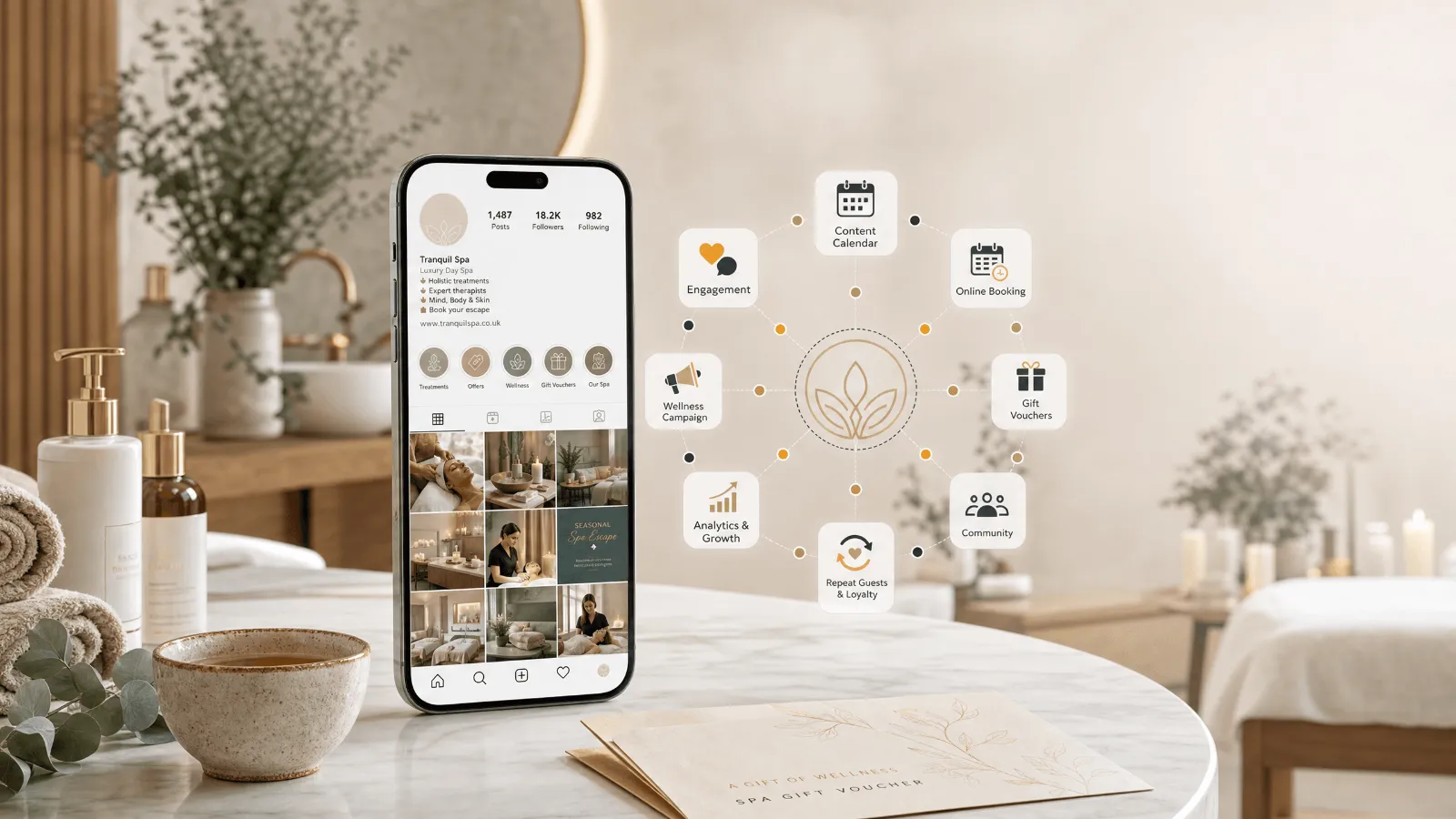
- Spas: Build long-term relationships through treatment packages and memberships.
Once you understand these nuances, you can effectively build restaurant email marketing strategies, hotel email campaigns, and spa email marketing automation systems.
3. The hospitality email revenue framework
Segmentation is considered the foundation of effective email marketing.
Instead of sending messages to everyone, hospitality businesses play smart and divide their audience into meaningful groups based on:
- Booking history
- Preferences and interests
- Demographics and location
- Behaviour and engagement
Automation transforms emails from being a manual task to a scalable revenue engine.
By setting up predefined workflows, businesses can send the right messages at the right time, without constant supervision.
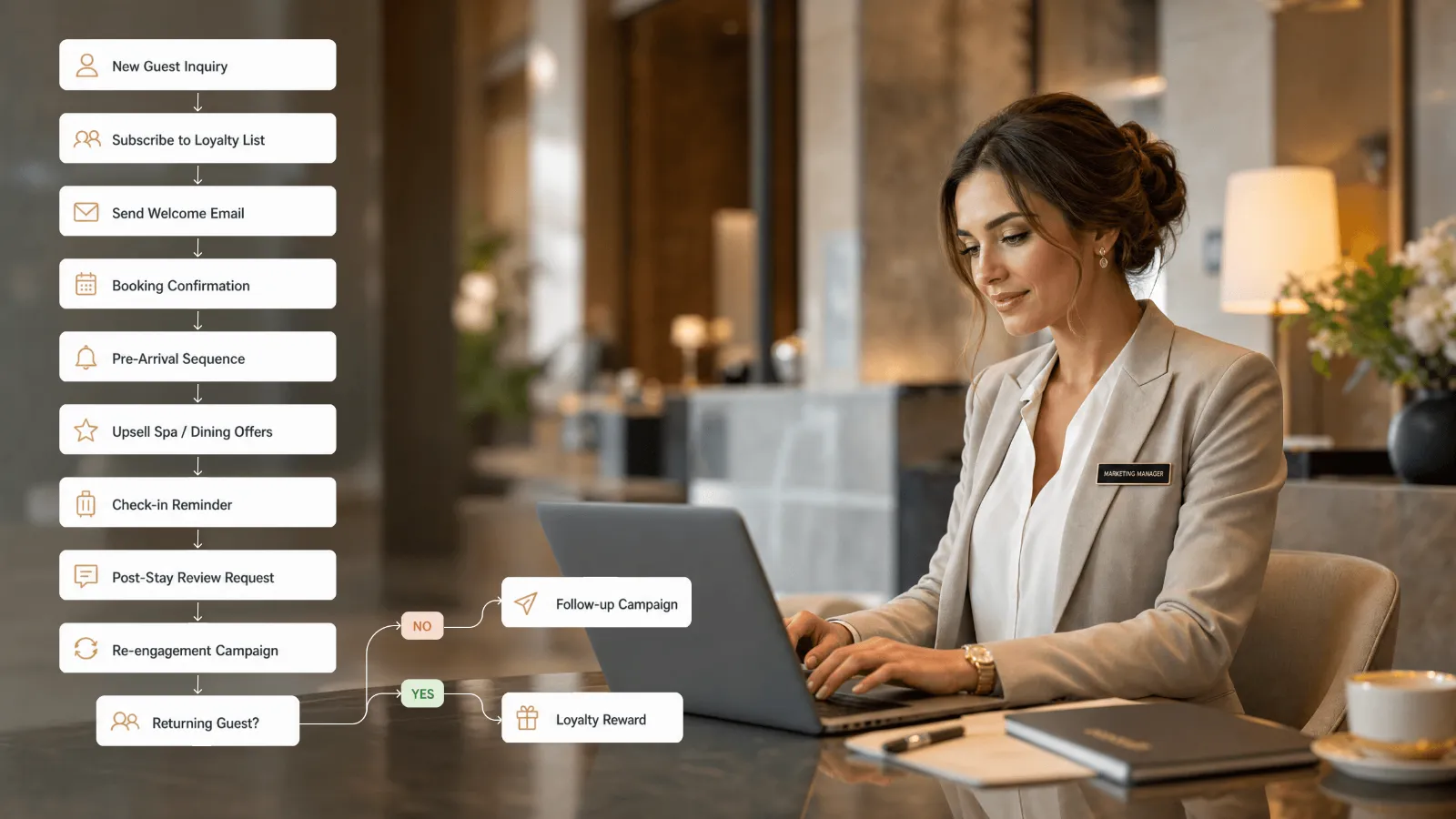
Key automation workflows include:
- Sequences of welcome emails for new subscribers.
- Booking or reservation confirmations.
- Pre-arrival and pre-visit reminders.
- Follow-ups for post-visits and review requests.
- Re-engagement and win-back campaigns.
Automated emails generate relatively more revenue than non-automated emails, which makes them one of the most powerful components of any marketing strategy.
Campaigns are useful for driving timely engagement and revenue.
These include:
- Seasonal offers
- Limited-time offers
- Event announcements
- Product or service launches
In 2026, hospitality email marketing relies heavily on guest data personalisation.
Other than simply using a guest’s name, businesses can tailor emails based on:
- Past bookings or visits
- Preferences and interests
- Location and travel pattern
- Behaviour on the website or app
This final pillar focuses on turning engagement into measurable results.
This involves:
- Clear and compelling CTAs
- Optimised email layout
- Strategic timing and frequency
- Continuous A/B testing
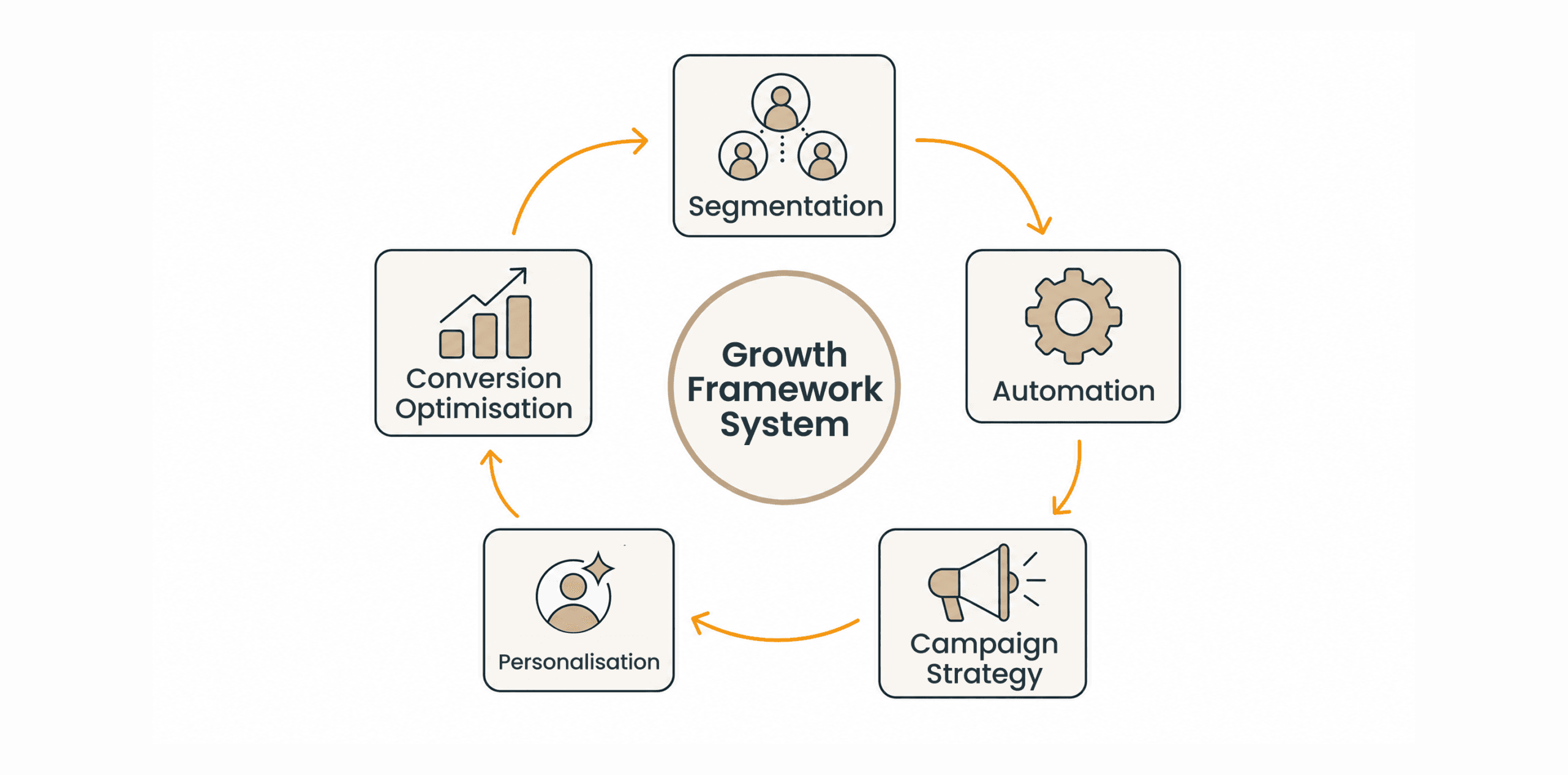
When these five pillars stand together, email marketing goes beyond being just communication. It becomes a predictable and scalable revenue system.
4. Building your hospitality email list
A high-performing email marketing strategy for the hospitality industry has one critical asset: a quality email list.
Without a strong, permission-based database, even the best campaigns and automation workflows fail to deliver results.
Things to consider:
4.1 Ethical and effective list-building strategies
An email list in hospitality requires a balance between visibility and user experience.
The focus should be on permission-based marketing, where users actively choose to hear your brand. This leads to higher engagement and conversion rates.
Key principles include:
- Clear opt-in mechanisms
- Transparent communication about the email content
- Easy unsubscribe options
a. Website opt-in forms and placement
A website acts as one of the most powerful channels to capture email subscribers.
Effective placements include:
- Homepage banners or embedded forms
- Blog pages with contextual opt-ins
- Booking pages with optional subscription checkboxes
- Exit-intent pop-ups
b. Booking and reservation opt-ins
Guests who have already set their minds to make a booking or reservation are highly valuable subscribers.
By integrating email capture into:
- Hotel booking confirmations
- Restaurant reservation systems
- Spa appointment bookings
c. On-property sign-up opportunities
Offline touchpoints are as important as online ones in hospitality.
Examples include:
- Front desk or reception sign-ups
- Tabletop QR codes in restaurants
- Spa consultation forms
- Wi-Fi login pages
d. Loyalty program integration
Loyalty programmes are considered one of the most effective hacks for email audiences.
By offering incentives such as
- Exclusive discounts
- Points-based rewards
- Member-only experiences
4.2 Lead magnets that work for hospitality

Hotels:
- Travel guides and itineraries
- Packing checklists
- Local area recommendations
Restaurants:
- Exclusive recipes
- Seasonal menus
- Chef insights

Spas:
- Self-care and wellness guides
- Skincare routines
- Treatment education
Along with attracting subscribers, these resources also position the brand as a trusted authority.
4.3 Pop-ups and exit-intent strategies
If used strategically, pop-ups can significantly boost list growth.
Best practices include:
- To trigger pop-ups after a delay or scroll
- To capture abandoning users, implement exit-intent
- To offer time-sensitive incentives
These should be designed carefully to avoid disruption of the user experience.
a. Offer strategies that convert – High-converting offers include:
- First booking discounts
- Free add-ons or upgrades
- Early access to promotions
- Exclusive email-only deals
b. Mobile vs. Desktop optimisation
A majority of users access websites via mobile devices; hence, opt-in forms must be fully optimised for smaller screens.
This includes:
- Simple and short forms
- Easy-to-click buttons
- Minimal input fields
A seamless mobile experience can directly impact conversion rates.
4.4 Segmenting your list from the start
Data collection is the starting point of effective segmentation.
Instead of only collecting email addresses, businesses should also focus on capturing:
- Demographics, wherever relevant
- Preferences and interests
- Booking or visit intent
- Location
4.5 GDPR and compliance considerations
Compliance is non-negotiable if we’re talking UK and EU-based hospitality businesses.
Key requirements include:
- Explicit consent for email marketing
- Clear privacy policies
- Easy unsubscribe options in every email
By following these guidelines, hospitality businesses ensure trust, protect user data, and maintain a strong sender reputation.
5. Hotel email marketing strategy
A well-defined hotel email marketing strategy can drive direct bookings, increase guest retention, and maximise lifetime value.
An effective email marketing campaign operates across the entire guest journey, from pre-arrival to post-stay engagement; it ensures consistent communication and personalised experiences at every stage.
5.1 Essential email types for hotels
Hotels must implement a balanced combination of transactional, lifecycle, and promotional emails.
a. Welcome series for new subscribers
- Introduce the brand and set expectations
- Highlight unique selling points like location, amenities, and experiences
- Encourage first-time bookings with exclusive offers
b. Booking confirmation emails
- Provide reservation details
- Present upsell opportunities like room upgrades, add-ons, and experiences
- Set the tone for a better guest experience
c. Pre-arrival emails and personalisation
- Share check-in details with preparation tips
- Recommend local attractions and dining
- Offer add-ons or upgrades based on guests’ preferences
d. During-stay engagement emails
- Promote on-site spa and dining services or events
- Provide real-time support and updated information
- Enhance overall guest experience
e. Post-stay thank you and review requests
- Express appreciation
- Request guest feedback and reviews
- Encourage repeat visits
f. Re-engagement campaigns
- Target past guests or those who are inactive
- Offer personalised incentives to request returns
- Highlight improvements
g. Seasonal and promotional campaigns
- Promote offers of the peak season
- Share limited-period deals
- Create a sense of urgency with offers
h. Loyalty programme communications
- Inform guests regarding rewards and benefits
- Encourage participation in the programme
- Promote member perks
5.2 Segmentation strategies for hotels
Segmentation is important for delivering relevant and personalised communication.
Key segmentation approaches include:
- By travel purpose: Business vs. leisure travellers
- By booking channel: Direct vs. OTA guests
- By loyalty tier: Members vs. non-members
- By past stay behaviour: Frequency, spend, and preferences
- By geographic location: Domestic vs. international travellers
- By travel party size: Solo, couples, and families
5.3 Driving direct bookings through emails
Driving direct bookings and reducing reliance on OTAs is one of the primary goals of email marketing.
Effective strategies include:
- Exclusive email-only rates to encourage direct bookings
- Early booking offers only for subscribers
- Last-minute deals to clear unsold inventory
- Room upgrade promotions for revisiting guests
- Bundled packages combining stay, dining, and experiences
When you consistently offer value through emails, you can shift guest behaviour towards direct booking.
5.4 Automation sequences for hotels
Sending emails manually in such large-scale businesses is not practical. Marketing Automation plays a central role here.
Key automation workflows include:
- Abandoned booking recovery emails
- Pre-arrival countdown sequences
- Birthday and anniversary campaigns
- Seasonal re-engagement campaigns
- Win-back campaigns for inactive guests
It is seen that automated emails generate significantly higher engagement as compared to one-off campaigns.
5.5 Personalisation tactics for hotels
Personalisation makes a generic email feel thoughtful.
Effective personalisation strategies include:
- Dynamic content built around guest segments
- Room and preference analysis from past stays
- Location-based recommendations
- Acknowledging previous visits or interactions
- Using guest data to tailor messaging and offers
Turn your email list into your most profitable channel
Stop leaving revenue on the table with underperforming emails. We craft targeted campaigns that speak directly to guest needs—driving higher open rates, click-throughs, and direct bookings while reducing your reliance on costly OTAs.
6. Restaurant email marketing strategy
A strong restaurant email marketing strategy should be built around increasing customer frequency, driving reservations, and building long-term relationships with diners.
Unlike hotels, revenue generation for restaurants majorly relies on repeat visits and consistent engagement. Email marketing plays a critical role in encouraging guests to return more frequently. You can also learn a six-figure restaurant business strategy here.
6.1 Essential email types for restaurants
To drive consistent engagement with meaningful communication, restaurants should mix transactional, promotional, and relationship-driven emails.
1. Welcome series for new subscribers
- Introduce the brand, cuisine, and dining experience
- Highlight unique offerings or signature dishes
- Encourage the first reservation with exclusive incentives
2. Reservation confirmation emails
- Provide booking details and reassurance
- Offer add-ons like special seatings, tasting menus, or exclusive passes to events
- Set expectations for the dining experience
3. Pre-visit reminder emails
- Give timely reminders
- Reinforce booking details
- Generate anticipation with menu highlights and offers
4. Post-visit thank you and review requests
- Show appreciation
- Ask for reviews on platforms like Google or TripAdvisor
- Offer exciting incentives for repeat visits
5. Birthday and anniversary emails
- Deliver personalised offers
- Encourage celebratory bookings and dining
- Strengthen the emotional connection of the customers with the brand
6. New menu announcements
- Showcase season special or updated menus
- Highlight the chef’s special dishes or limited-time deals
7. Special event invitations
- Promote exclusive dining experiences like themed nights, live events
- Create urgency
8. Loyalty programme updates
- Tell customers about points, rewards, and benefits
- Offer incentives for repeat visits
9. Seasonal promotions
- Align campaigns with holidays, festivals, and local events
- Drive traffic during off-peak and peak periods
6.2 Segmentation strategies for restaurants
Segmentation helps you narrow down the content lane so you can deliver tailored content based on your audience’s preferences.
Key segmentation strategies include:
- By dining frequency: Regular vs. occasional visitors
- By cuisine or menu preferences: vegetarian, non-vegetarian, vegan, or specific cuisines
- By occasion type: Date nights, family dining, business meals
- By dietary restrictions: Allergies or preferences
- By average spend: High-value vs. budget-conscious customers
- By visit recency: Recent vs. inactive customers
- Targeted emails can significantly increase engagement and revenue compared to generic campaigns.
6.3 Driving reservations and foot traffic
Consistent bookings and in-person visits are a few primary goals of restaurant email marketing.
Effective strategies include:
- For slow days, launch flash sales
- Do happy hour promotions to boost off-peak traffic
- Weekend brunch campaigns
- Festival and holiday promotion
- Chef’s table invitations or exclusive dining experiences
6.4 Menu marketing through email
Email is one of the most effective channels for showcasing menu offerings.
Examples include:
- Seasonal menu launches
- Limited-time offers (LTOs)
- Signature dishes
- Wine pairing recommendations
- Tasting menu promotions
6.5 Event and private dining promotions
Emails can be used to promote events and additional services.
This includes:
- Event calendars and announcements
- Private dining room promotions
- Catering services
- Cooking classes or culinary experiences
6.6 Loyalty and rewards email campaigns
Effective email campaigns for loyalty programmes include:
- Points balance updates
- Rewards redemption reminders
- Tier upgrade notifications
- Exclusive member-only offers
7. Spa email marketing strategy
Spa email marketing strategies focus on client retention, recurring bookings, and long-term relationship building.
Spas heavily operate on repeat visits, memberships, and treatment packages. This makes email a perfect channel for nurturing clients.
7.1 Essential email types
1. Welcome series with treatment education
- Introduce the brand and wellness philosophy
- Educate clients about treatments and benefits
- Encourage first-time bookings
2. Appointment confirmation emails
- Provide booking details and reassurance
- Set expectations for the visit
- Offer upgrades or add-ons
3. Pre-appointment preparation emails
- Tell them what to do before treatments
- Reduce anxiety and improve experience
- Reinforce professionalism and care
4. Post-treatment care emails
- Provide aftercare instructions
- Recommend follow-up treatments
- Build trust and credibility

5. Treatment package promotion
- Highlight service combos at discounted rates
- Encourage long-term commitment
6. Seasonal wellness campaigns
- Align services based on seasonal needs
- Promote limited-period wellness packages
7. Product recommendation emails
- Suggest skincare products based on treatments
- Drive additional revenue through retail marketing
8. Membership and renewal reminders
- Encourage subscription renewals
- Highlight savings and ongoing benefits
7.2 Segmentation strategies for spas
Key segmentation approaches include:
- By treatment preference: Massage, skincare, or therapy-type treatments
- By visit frequency: Regular vs. occasional clients
- By wellness goals: Relaxation, wellness, pain relief
- By product purchases: Skincare or wellness products
- By membership status: Members or non-members
- By seasonal interests: Winter or summer skincare
7.3 Educational content marketing
By providing valuable and informative content, spas can:
- Build trust with clients
- Position themselves as experts
- Encourage informed purchasing
Examples include:
- Treatment benefit explanations
- Share skincare and wellness tips
- Ingredient spotlights
- Seasonal care guides
- At-home self-care routine insights
You can also unlock the full blueprint for spa marketing in 2026 here.
7.4 Package and membership promotion
Recurring revenue is the key goal for spas, and email marketing fuels them.
Effective strategies include:
- Series-based package offers
- Monthly benefits for members
- Giveaway and gift certificate campaigns
- Couples and group packages
- Seasonal wellness bundles
7.5 Retail and product email campaigns
Examples include:
- Recommend products based on past treatments
- Skincare routines and regimens
- Exclusive online store access
- Product launches and announcements
- Replenishment reminders
Offering these alongside services creates a revenue stream beyond appointments.
7.6 Event and workshop promotion
This includes:
- Wellness workshops
- Meditation or yoga sessions
- Product education events
- VIP client experiences
8. Email design and copywriting best practices
Creating email marketing strategies is a great start, but success is defined by not only what you send but also how you present it.
Conversion is the last stage; the design and copywriting decide whether the recipient of the email opens and engages with it. For businesses like hotels, restaurants, and spas, where aesthetics matter, email communication must reflect the brand’s identity.
8.1 Email design principles
An effective email design ensures its readability, clarity, and a seamless user experience.
Over 40-60% of emails are opened on mobile devices (Litmus). That said, emails must be optimised for smaller screens.
Best practices include:
- Responsive layouts
- Single-column designs
- Large, clickable buttons
Emails should reflect the brand’s identity through:
- Consistent colours and fonts
- Clear hierarchy with headings, subheadings, and body text
- Structured layouts to draw readers’ attention
Visuals play a crucial role in all forms of marketing, but in emails, they need to be strategic.
- Optimise the size of the images for faster loading
- Use high-quality but compressed visuals
- Ensure the content is readable even if the image fails to load
Every email should have a clear, compelling, and subtle CTA.
Effective CTAs:
- Are visually distinct
- Use action-oriented language
- Are placed strategically above the fold and at the end
- Avoid clutter
- Use proper spacing and separate sections
- Keep content scannable
8.2 Subject line strategies
Your subject line is the display product of your email. The reader reads the subject line, then decides if he/she wants to read the whole email.
a. Length and optimisation:
- Keep the subject lines concise (approx. 30-50 characters)
- Ensure clarity on mobile devices
b. Personalisation
- Including the recipient’s name and relevant context in the email can improve engagement.
- Emails with personalisation generate higher rates.
c. Urgency and scarcity
By using time-sensitive language, you can drive action.
Examples:
- Last-minute offers
- Last-minute deals
- Exclusive access
d. Emoji usage guideline
Emojis are fun, but they should align with the brand’s personality and not be overused. When used appropriately, emojis can:
- Increase visibility in people’s crowded inboxes
- Add personality
e. A/B subject lines
Testing different versions can help you identify what your audience engages with most.
8.3 Preheader text optimisation
Adding preheader text as a secondary subject line provides deeper context.
Best practices:
- Complement the subject line
- Reinforce the value of the email
- Avoid repeating the same line
8.4 Copywriting for hospitality emails
Effective copywriting focuses on emotion, experience, and value.
Effective storytelling
- Highlight experiences along with features
- Create a sense of anticipation
Benefits over feature
Communicate outcomes from the amenities.
Example:
- Instead of “Luxury spa facilities”
- Say something like “Relax and unwind with our personalised spa treatments”
Urgent yet premium communication style
- Encourage timely action without sounding aggressive or sales-heavy
- Use subtle urgency that feels exclusive, confident, and value-driven
- Maintain a refined, professional, and premium brand tone across every email
- Ensure consistency in voice, messaging, and brand personality throughout all communication channels
Call-to-action best practices
- Use clear and action-driven language like “Book now” or “Reserve your table”
- Limit the number of CTAs per email
- Ensure the visibility of your email across devices
8.5 Visual content emails
Visuals enhance engagement and help communicate the experience with the audience.
Examples include:
- Hero images that showcase rooms, dishes, or spa environments
- GIFs or subtle animation to highlight offers and make them look fun
- Video content for immersive storytelling
- User-generated content to build authenticity and trust
8.6 Accessibility in email design
Accessibility improves user experience for all recipients.
Best practices include:
- Adding alt text in all images
- Using readable fonts and font sizes
- Maintaining proper colour contrast
- Ensuring compatibility with various screen readers
9. Email automation for hospitality
Email automation is the most powerful component of a successful email marketing strategy.
Instead of manually sending thousands of emails, automation allows hotels, restaurants, and spas to deliver timely, well-designed, and personalised emails based on customer behaviour and lifecycle.
This improves efficiency and ensures consistent communication that drives direct bookings, long-term revenue, and retention
9.1 Why email automation matters
Automation enables email to become a proactive task rather than a reactive one.
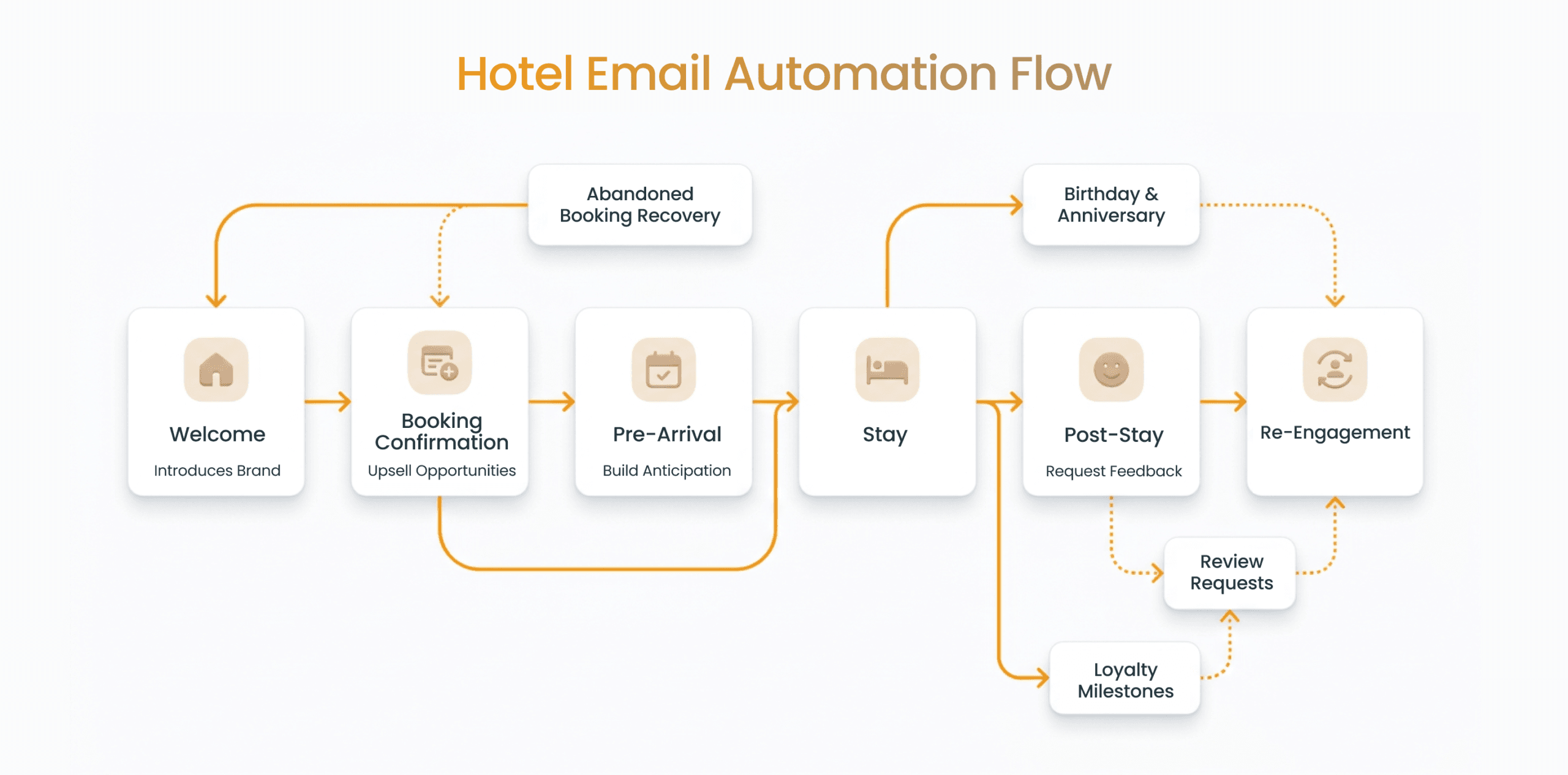
Key benefits include:
- Time savings and efficiency: Automation reduces manual effort and maintains consistent communication. This setup reduces the time consumed in drafting and sending emails manually.
- Consistency in guest communication: Every guest receives relevant messages on time, without any errors or delays.
- Scalability for growing businesses: Automation manages an increasing number of customers without additional resources.
- Improved guest experiences: Customer experience is enhanced when they receive personalised and timely emails.
Emails that fill rooms, not spam folders
Cut through the noise with email campaigns that guests actually want to open. We build sophisticated automation and segmentation strategies that deliver the right offer to the right guest at the right time, maximising revenue per send and lifetime value.
9.2 Key automation workflows
1. Welcome sequences
- Introduces the brand
- Sets expectations for communication
- Encourages first bookings or visits
2. Booking and reservation confirmations
- Provides transactional details
- Offers upsell opportunities
- Reinforces trust
3. Pre-arrival or pre-visit sequences
- Share information and preparation tips regarding the visit
- Recommend services, local visits, experiences, or menu highlights
- Build anticipation
4. Post-stay or post-visit sequences
- Send warm thank-you messages
- Request reviews and feedback
- Encourage revisits
5. Abandoned booking recovery
- Target those users who visited websites but did not complete bookings
- Remind them of their intent
- Offer rewards and incentives to complete the process
6. Re-engagement campaigns
- Target inactive users or disengaged subscribers
- Use exclusive personalised offers to bring them back
7. Birthday and anniversary automations
- Deliver especially tailored and personalised offers
- Strengthen the emotional connection between customers and the brand
8. Review request automations
- Ask guests to leave reviews on specific platforms
- Improve the brand’s online reputation
9. Loyalty milestone triggers
- Notify your customers about special rewards, upgrades, or achievements
- Encourage continued engagement
9.3 Trigger-based campaigns
Automation primarily relies on triggers that determine when and why an email is sent.
Common types of triggers are:
- Behavioural triggers: website visits, booking actions, and browsing behaviour
- Time-based triggers: Specific dates (birthdays or anniversaries)
- Engagement triggers: Email opens, clicks, or inactivity
- Lifecycle triggers: Different stages of the customer journey
- These triggers ensure that all your emails are relevant and timely.
9.4 Dynamic content and personalisation
Automation, when combined with dynamic content, becomes more powerful.
This helps emails adapt to user data, such as:
- Preferences and interests
- Booking and purchase history
- Location
- Behaviour patterns
Dynamic content enables:
- Personalised recommendations
- Tailored offers
- Location-specific messaging
9.5 Setting up automation workflows
There is a structured approach that needs to be followed for implementing automation.
Identify key touchpoints to initiate a conversation and eventually repeat engagement.
Determine actions that will trigger emails and exactly what content will be delivered.
Ensure that the emails are sent at appropriate intervals to avoid overwhelming the users and crashing the system.
Continuously monitor the performance and upgrade workflows based on that.
10. List segmentation and personalisation
Relevance is everything in the hospitality industry.
If you send the same email to everyone without any personalisation, your email marketing will fail. A successful hospitality email marketing strategy is built on the bricks of segmentation and personalisation to ensure that every communication feels tailored, timely, and valuable.
10.1 Advanced segmentation strategies
With the help of segmentation, businesses can divide their audience into dedicated groups based on shared characteristics and enable more targeted and effective communication.
a. Demographic segmentation
- Age, gender
- Income level and spending patterns
- Family status
b. Behavioural segmentation
- Website activity
- Booking or reservation behaviour
- Email engagement
c. Psychographic segmentation
- Lifestyle preferences
- Travel motivations
- Wellness goals
d. Transactional segmentation
- Past bookings or purchases
- Frequency of visits
- Average spend
e. Engagement-based segmentation
- Highly engaged subscribers
- Moderately engaged users
- Inactive or disengaged users
f. Predictive segmentation
- Likelihood to book again
- Preferred services or experiences
- Potential churn risk
10.2 Personalisation beyond first name
True personalisation is not only about inserting guests’ first names, but it’s also far more.
Effective personalisation strategies go like this:
- Past booking or visit history: Recommending similar experiences or upgrades based on previous ones
- Browse behaviour: Targeting users based on their search history
- Preferences and interests: Tailoring content specifically to match guest expectations
- Location-based personalisation: Sharing relevant recommendations and offers based on locations
- Time zone optimisation: Sending emails at the most active and effective times for each user
10.3 Dynamic content implementation
Dynamic content allows you to create different versions of the same email based on your users’ data.
This can include:
- Personalised offers
- Product or service recommendations
- Location-based information
- Tailored messaging based on user behaviour
10.4 Testing segmentation strategies
Segmentation is not a one-sitting setup; it requires continuous upgrades and refinement.
Best practices include:
- Using control groups: Comparing segmented vs. non-segmented campaigns
- Tracking performance by segment: Identifying which segment drives the most engagement and revenue
- Iterative optimisation: Continuously refining segments based on new data.
11. Email deliverability and technical setup
No matter how well-crafted your email campaigns are, they can still fail if they never reach the inboxes of the users.
Email deliverability is nothing fancy; it refers to the mere ability of your email to land in a recipient’s inbox rather than being tagged as spam or blocked entirely.
11.1 Understanding deliverability
Deliverability can be influenced by many factors, such as sender reputation, technical configuration, and user engagement.
Key elements include:
- Inbox placement vs. spam folders: Not all emails land in the inbox; a lot of them are filtered as spam.
- Sender reputation: This depends on sending behaviour, frequency, engagement rates, and complaint levels.
- Domain and IP reputation: Authenticity and trustworthiness of the sending domain and infrastructure.
11.2 Technical authentication
Proper authentication protocols must be adopted to ensure that the emails you send are considered legitimate.
- SPF (Sender Policy Framework): Lists the servers authorised to send emails on behalf of your domain.
- DKIM (DomainKeys Identified Mail): Puts a digital signature on emails, signalling that the content has not been altered.
- DMARC (Domain-based Message Authentication, Reporting & Conformance): Builds on SPF and DKIM and defines how email providers should deal with unauthenticated messages.
- Custom Domain Setup: Using a branded sending domain like email@yourbusinessname.com improves credibility and trust.
11.3 List hygiene best practices
Maintaining a clean list of emails is essential for deliverability.
Best practices include:
- Regular list cleaning: Remove invalid and inactive email addresses.
- Bounce management: Monitor and address hard and soft bounces.
- Engagement-based pruning: Remove or re-engage inactive subscribers.
- Re-engagement campaigns before removing: Attempt once to win back inactive users before removing them.
11.4 Avoiding spam filters
To ensure that emails reach the recipient’s inbox, businesses must opt for content and formatting best practices.
- Content Guidelines:
- Avoid excessive use of words that sound promotional or trigger spam
- Maintain a balanced tone
- Provide a clear value to the reader
- Link Usage:
- Avoid using too many links in a single email
- Use only trusted and consistent domains
- Image-to-text Ratio:
- Avoid filling your emails with images and a little supporting text
- Ensure that the content in your email stays readable even if the images don’t load
11.5 Warm-up strategies for new senders
New email accounts and domains need gradual scaling to build trust with email providers.
Best practices include:
- Start with small volumes of sending
- Gradually increase the frequency
- Target engaged subscribers first
11.6 Monitoring sender reputation
Ongoing monitoring helps maintain strong deliverability.
Useful tools include:
- Platforms that track sender reputation
- Email testing tools
- Dashboards to monitor deliverability
12. Email marketing analytics and optimisation
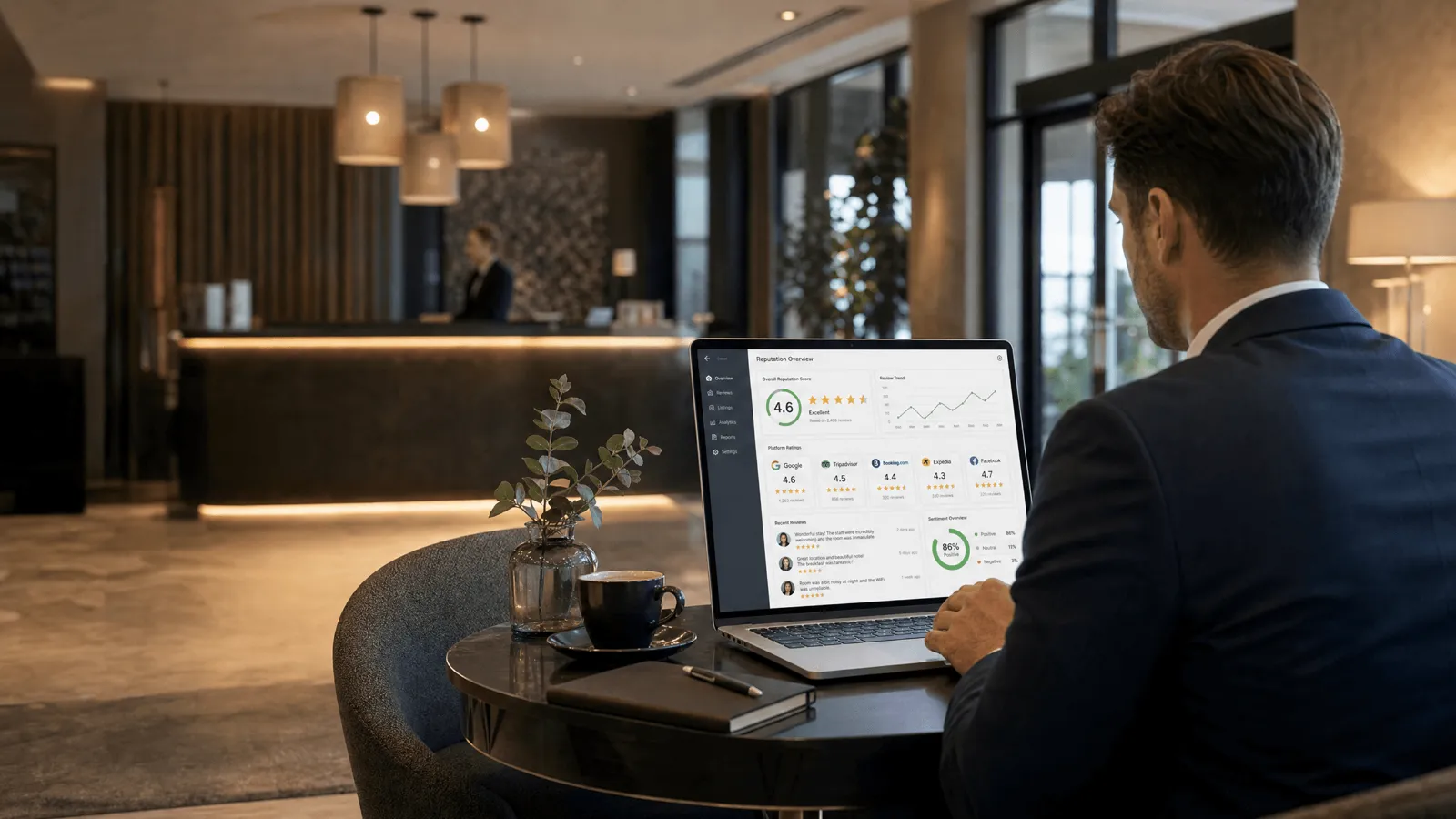
Your job doesn’t end after sending emails; it actually starts there. A successful hospitality email marketing strategy includes continuously measuring performance, identifying opportunities, and optimising campaigns for better results.
Without proper analytics, marketing becomes guesswork.
Key metrics to track:
- Open rate: This indicates how many recipients opened your email after being influenced by the subject lines, sender name, and time. Average email open rates range between 20 and 30% (Mailchimp)
- Click-Through rate (CTR): Measures how many recipients clicked on links mentioned inside the email
- Conversion rate: This tracks how many of the recipients completed the desired actions, such as bookings, reservations, or purchases
- Revenue per email: Shows the financial impact of email campaigns
- List growth rate: Measures the expansion of your email database
- Unsubscribe rate: Indicates how many users cancelled their subscription
- Bounce rate: Tracks emails that stay undelivered
- Deliverability rate: Tracks how many emails successfully got delivered to recipients
- Email sharing / Forwarding rate: Measures how often emails are shared
12.1 A/B testing strategies
A/B testing is also known as split testing. This allows businesses to compare different versions of the same email to identify what performs best.
Key areas to test are:
- Subject lines
- Sent times
- Content variations
- CTA buttons
- Email layouts and design elements
- Segmentation strategies
12.2 Attribution and revenue tracking
In order to optimise, you first need to be aware of how emails contribute to the revenue.
Key approaches include:
- Booking attribution: Tracking that leads to reservations or purchases
- Revenue per subscriber: Measuring the value that each contact in your database holds
- Customer lifetime value (CLV): Evaluating the long-term revenue that email engagement has generated
- Multi-touch attribution: Understanding how email interacts with all the other marketing channels
12.3 Reporting frameworks
By structured reporting, you can track performance consistently and make data-driven decisions.
Recommended reporting types:
- Campaign performance reports: Analyse individual campaign results
- Automation performance reports: Evaluate the effectiveness of workflows
- Segment performance comparisons: Identify high-value audience groups
- Year-over-year trends: Track long-term growth and improvements
12.4 Using data to improve campaigns
Data is not just a collection; it should be used to actively refine strategies.
Key optimisation techniques include:
- Heat maps and click maps: Understanding where exactly users interact within emails
- Engagement pattern analysis: Identify what type of content performs the best
- Content preference insights: Tailor future emails based on present user behaviour
- Send time optimisation: Schedule emails when users are most active
13. Essential email marketing tools for hospitality
Choosing the right tools is the most critical part of email marketing.
With too many options, it’s easy to get overwhelmed. Instead of trying to use every tool available, businesses should focus on building a streamlined, integrated tool stack that supports the major operations like segmentation, automation, personalisation, and performance tracking.
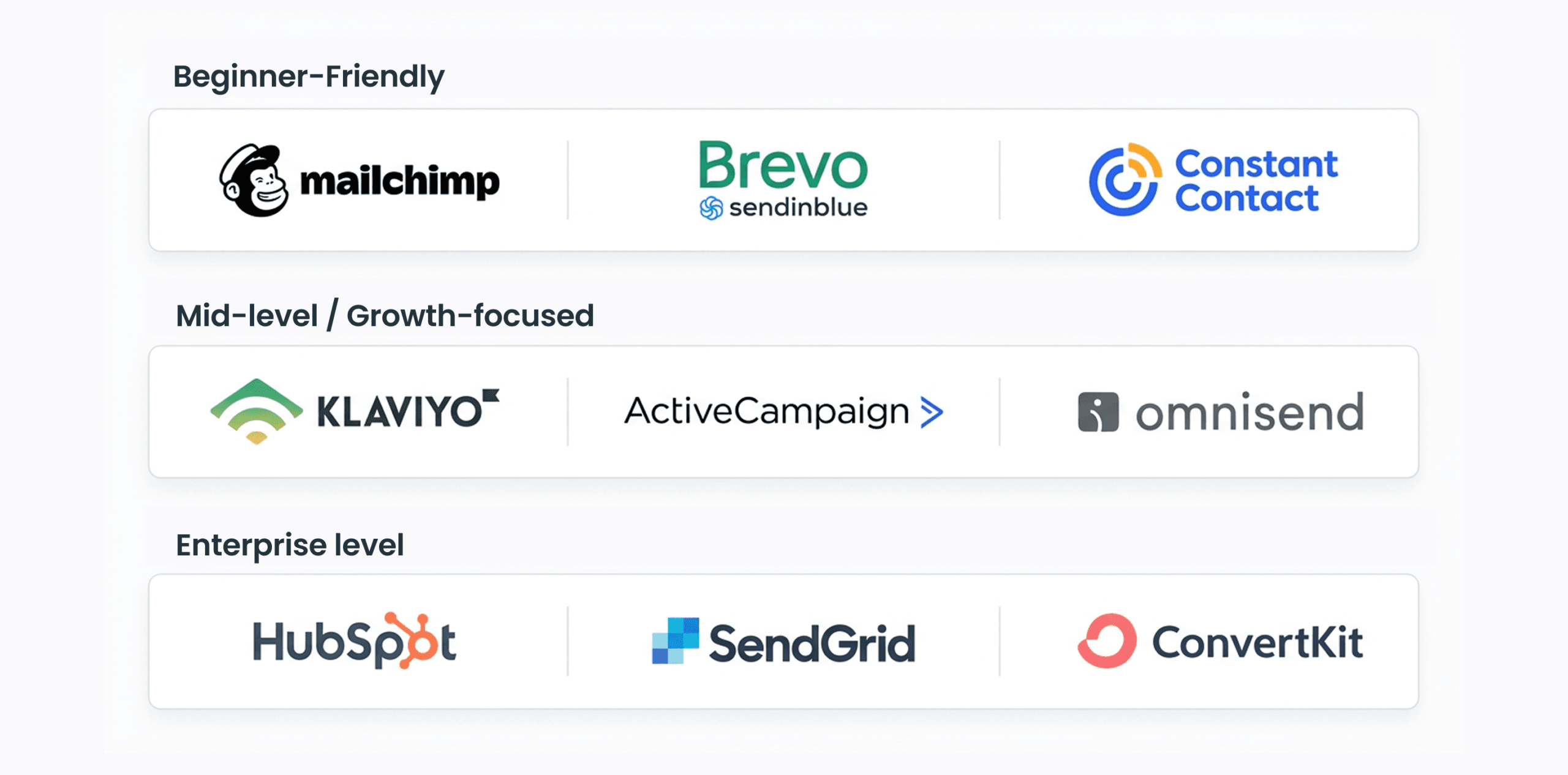
13.1 Email service providers (ESPs)
Hospitality-Specific Platforms
Revinate | Cendyn | SevenRooms | Upserve | Zenoti | Booker
List Building and Lead Capture Tools
OptinMonster | Sumo | Privy | Hello Bar | Typeform
Email Design Tools
Canva | BEE Free | Stripo | Unlayer
Personalised and Dynamic Content Tools
Dynamic Yield | Movable Ink | Liveclicker

Testing and Optimisation Tools
Litmus | Email on Acid | Mail tester | GlockApps

Analytics and Attribution Tools
Google Analytics | Mixpanel | Heap | UTM.io

Deliverability and Reputation Tools
Sender Score | Google Postmaster Tools | MXToolBox | MailGenius
Compliance and Privacy tools
OneTrust | TrustArc | Cookiebot

Integration and Automation Tools
Zapier | Make (formerly Integromat) | Segment | PieSync
Review and Feedback Collection Tools
Trustpilot | TripAdvisor | Google Review | SurveyMonkey | Typeform
14. Compliance and best practices
Email marketing is not just about performance. It must comply with legal and ethical standards as well.
In countries like the UK, where GDPR is applied, maintaining transparency and protecting customer data is crucial for building trust and avoiding penalties.
14.1 Email marketing regulations
- GDPR (General Data Protection Regulation): Applies specifically to UK and EU businesses. It focuses on user consent and data protection.
- CAN-SPAM Act (US): Governs commercial email practices
- CASL (Canada): Requires explicit content for email communication
14.2 Permission and consent
Consent is the base of compliant email marketing.
Best practices include:
- Obtaining the explicit opt-in consent
- Use double opt-in for additional verification
- Clearly stating what the users are signing up for
- Preference Centres allow subscribers to:
- Choose their email frequency
- Select content types
- Update personal information
14.3 Unsubscribe best practices
Every email subscription must include a clear and easy way to unsubscribe. Customers are least attracted when they are forced or feel stuck.
Best practices:
- One-click unsubscribe options
- Visible placement
- Immediate processing requests
14.4 Data privacy and security
The hospitality industry holds sensitive customer data, which makes security essential.
Key considerations:
- Secure data storage and encryption
- Transparent privacy policies
- Clear policies on third-party data sharing
14.5 Accessibility requirements
Emails should be accessed by all, including those with disabilities.
Best practices include:
- Follow WCAG guidelines
- Use readable fonts and proper contrasts
- Ensure compatibility with various screen readers
15. Common email marketing mistakes to avoid
- Buying or renting email lists: Purchased lists include even those contacts who never showed any interest in your brand. This increases the risk of low engagement and spam complaints.
- Over-emailing subscribers: Sending emails too frequently leads to unsubscribes. Use preference centres to let users pick their own frequency.
- Ignoring mobile optimisation: Most emails are opened on mobile devices. Ignoring mobile optimisation can lead to low conversions.
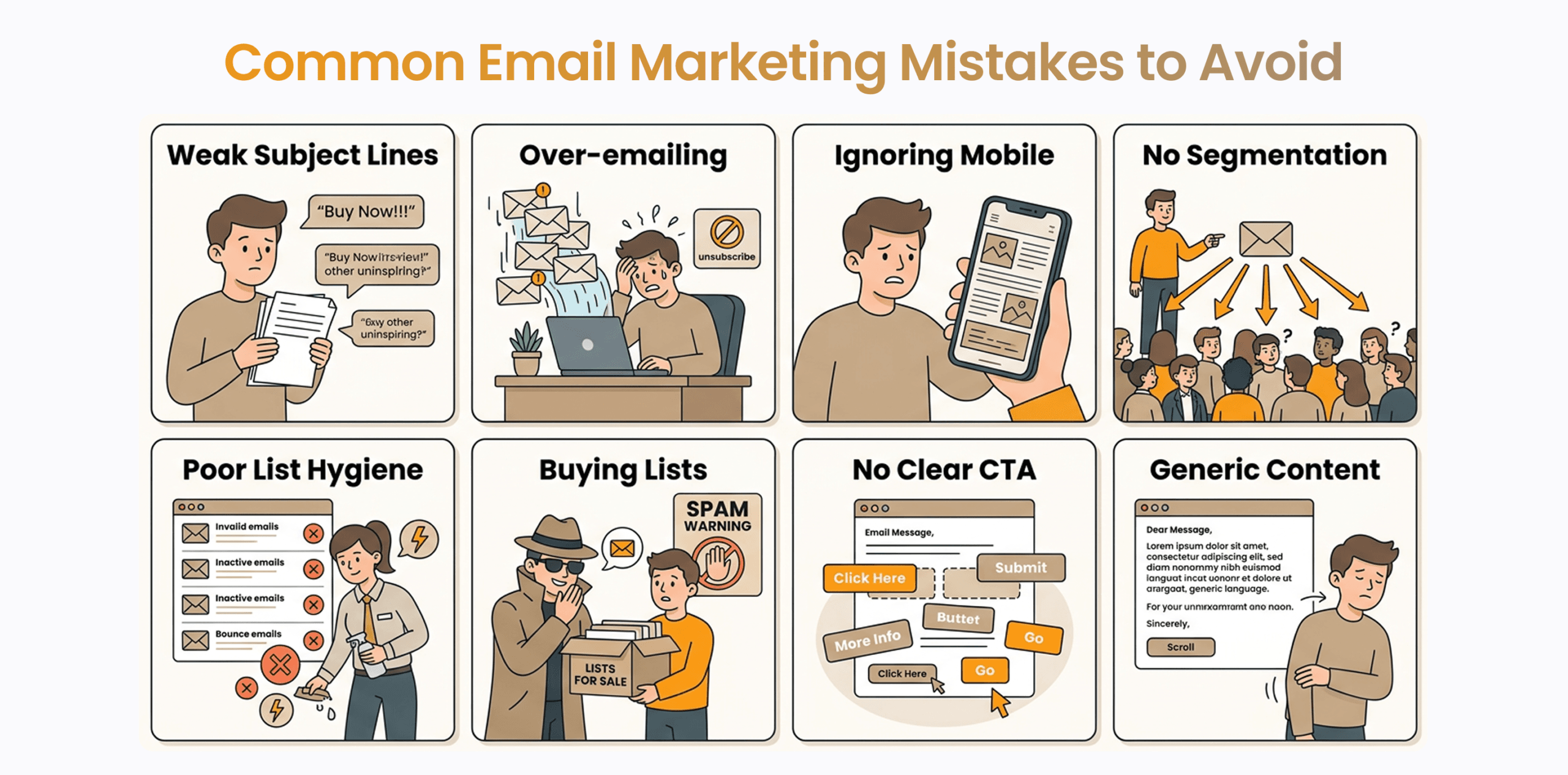
- Poor segmentation or no segmentation: Sending the same emails to your entire database reduces relevance. Basic segmentation can also improve results.
- Neglecting list hygiene: Messy lists with invalid or inactive contacts increase bounce rates and affect the sender’s reputation. Regularity in list cleaning improves deliverability.
- Weak subject lines: Subject lines should be relevant, concise, and regularly tested.
- No clear CTA: Too many CTAs that are unclear reduce click-through rates.
- Inconsistent sending schedule: Make sure you always test before sending.
- Ignoring analytics and data: Analytics should be consistently monitored to upgrade future strategies.
- No re-engagement strategy: Win-back campaigns must be organised every once in a while to reconnect with inactive users.
- Generic, Impersonal Content: Irrelevant content fails to build relationships. Your content should reflect an understanding of your guests’ preferences.
16. Advanced email-marketing strategies
Once the foundation is established, hospitality businesses can adopt more sophisticated approaches to drive higher revenue.
Multi-channel integration
- Email and SMS for time-sensitive offers
- Email and Social media retargeting
- Email and direct mail for high-value guests
- Coordinated omnichannel campaigns
Predictive analytics and AI
- Send time optimisation
- Subject line generation and testing
- Content and service recommendations
- Churn prediction and proactive re-engagement
Lifecycle Marketing
- New guest nurturing
- Active guest engagement
- At-risk guest re-engagement
- VIP and loyalty progression
Advanced personalisation
- AI-driven recommendations
- Whether and local event-based triggers
- Location-specific content
- Real-time content
Email preference centres
- Frequency controls
- Content type selection
- Channel preferences
- Interest categories
17. Future of email marketing in hospitality
Email marketing is constantly evolving. Thus, staying ahead of emerging trends can help hospitality businesses to maintain a competitive edge.
01
AI and machine learning integration
- Hyper-personalisation at scale
- Predictive send time
- Automatic subject line generation
02
Interactive email elements
- Embedded booking and reservation forms
- Image carousels
- Live polls and preference updates inside emails
03
AMP for email adoption
- Dynamic, app-like experience within emails
- Real-time content updates
- Reduced friction between email and conversion
04
Privacy-First marketing
- Grow reliance on first-party data
- Stronger consent and preference management
- Reduce dependency on third-party cookies
05
Email and messaging app convergence
- Integration with messaging platforms like WhatsApp
- Unified communication strategies for various channels
06
Sustainability in email marketing
- Reduce send frequency with higher relevance
- Cleaner lists to minimise digital carbon footprints
- Quality-over-quantity approach
18. Our email marketing process
At ThisRapt, we avoid guesswork and build a structured email marketing strategy with data and continuous improvement.
a. Data and audience analysis
- We audit existing email performance and user data
- Identify key audience behaviour
- Understand business goals and revenue opportunities
b. Segmentation strategy
- We build an audience segment based on demographics, behaviour, and lifecycle stage
- Define personalisation criteria for each segment
- Map segments to relevant campaigns and workflows
c. Workflow setup
- We build automation sequences across the guest lifecycle
- Configure triggers and personalisation logic
- Integrate PMS, booking engines, and CRM systems
d. Campaign planning
- We develop content and a campaign calendar
- Align campaigns with seasonal trends and business goals
- Plan promotional, transactional, and lifecycle emails
e. Design and copy
- We create on-brand email templates
- Write compelling subject lines, preheader texts, and body copy
- Ensure mobile optimisation
f. Optimisation and reporting
- We track key metrics, including open rates, CTR, and revenue per email
- Run A/B tests to continuously improve quality and performance
- Deliver regular reports with actionable insights
19. Case studies
A boutique hotel was heavily relying on OTAs for new bookings. We implemented a post-stay email sequence that offered personalized returns and a loyalty-driven re-engagement campaign that targeted inactive users.
Results:
- Direct bookings increased by 32% in 90 days
- OTA dependency reduced by 21%
- Significant improvement in guest lifetime value
An independent restaurant had a very strong customer base but lacked a system that brought back guests continuously. We built a properly segmented email programme around dining frequency, birthday and anniversary campaigns, and seasonal menu highlights.
Results:
- 28% increase in repeat visits over six months
- Higher engagement drawn from the birthday and anniversary campaigns
- Off-peak footfall improved through targeted flash promotions
A day spa was struggling to convert its one-time visitors to recurring clients. We introduced a welcome series that combines treatment education, a membership promotion sequence, and post-treatment follow-up emails with specific product recommendations.
Results:
- 40% increase was witnessed in membership sign-ups over three months
- Higher average spend per client through retail recommendations
- Improved repeat bookings and client retention rates
20. Conclusion and next steps
Email marketing has always been one of the most powerful and cost-effective channels available to hospitality businesses. When email marketing is executed correctly, it reduces dependency on OTAs, increases direct bookings, improves guest retention, and builds a long-term relationship with customers that drives sustainable revenue.
a. Summarising what we covered
- Basics of hospitality email marketing
- Why email marketing is important for hotels, restaurants, and spas
- Hospitality email revenue framework
- How to build and segment a good-quality email list
- Strategies tailored for each hospitality segment
- Email design, copywriting, and automation best practices
- List segmentation and personalisation
- Deliverability, compliance, and analytics
- Essential email marketing tools
- Advanced strategies and future trends
- ThisRapt’s email marketing process along with case studies
b. Getting started
- If you’re new to this, start with the basics:
- Build a consent-based email list
- Set up core automation workflows
- Segment your audience by foundational criteria
- Track your performance from day one
If you already have an email programme going, focus on:
- Auditing existing campaigns and workflows
- Improving segmentation
- Testing subject lines and send times
- Cleaning the list and reviewing deliverability
Email marketing is only powerful because of the strategy behind it. At ThisRapt, we offer hospitality email marketing for hotels, restaurants, and spas across the UK. We handle everything from strategy to automation, design, and reporting.
What we offer:
- Purpose-driven email strategy
- Modular, on-brand email templates
- Email capture and list-building
- Campaign management and automations
- Optimisation and performance reporting
If you’re ready to reduce the OTA dependency of your business and build a stronger guest relationship through email, our email marketing service is all set to help.
21. Email Marketing FAQs
It’s defined as the use of email to build and maintain relationships with guests across hotels, restaurants, and spas. It covers everything, starting from booking confirmations and pre-arrival emails to loyalty campaigns and re-engagement sequences.
It can be, if you obtain explicit consent, include a clear unsubscribe option in all of the emails you send, and handle guest data responsibly and securely. UK hospitality businesses must comply with GDPR at all times.
Focus on permission-based strategies such as website opt-in forms, opt-ins for booking confirmation, and loyalty programme sign-ups. At your property, focus on Wi-Fi login pages or QR codes.
Email marketing delivers an average of £36 for every £1 spent. This makes it one of the highest ROI channels available to hospitality businesses.
Yes. If you build a direct subscriber base and offer exclusive email-only rates, your hospitality business can gradually shift guest behaviour towards direct bookings.