

Social media is no longer a brand-awareness add-on for hotels — it’s a full-funnel discovery and booking engine. 61% of travellers have booked a hotel after seeing it on Instagram, 32% have booked stays discovered on TikTok, and hotels that position themselves strategically across platforms see up to 20% more direct bookings. TikTok and Instagram now function as search engines for travel inspiration; algorithmic reach (not follower count) drives most discovery, and platforms are actively becoming transactional — TikTok, Instagram, and Expedia have all shipped in-app or AI-assisted booking features in the past year. The hotels winning in 2026 treat social as a measurable revenue channel, not a place to post pretty photos.
Millions of travellers now use Instagram, TikTok, Facebook, and YouTube for trip planning and inspiration, and the shift from “nice to have” to “mission-critical” is complete. This guide covers what’s actually working on each platform in 2026, how social media is becoming a direct booking channel, and how to measure it properly.
| Ready to level up your knowledge on importance of Social Media in Hospitality Marketing? Here’s the journey ahead: |
|
1. Why social media matters more than ever for hotels in 2026
The importance of social media in hospitality lies in its ability to drive emotional engagement before a guest ever visits your booking page. Travellers don’t book on price alone anymore — they want proof of an experience, and social platforms are where they go looking for it.
The numbers make the case on their own:
- 61% of travellers have booked a hotel after seeing it on Instagram
- 32% of users have booked accommodation discovered on TikTok
- Social media influences roughly 52% of travel decisions overall, and drives approximately 31% of hotel website traffic
- Hotels using social platforms effectively can achieve up to 20% more direct bookings yearly
- ~35% of travellers now prefer Instagram and TikTok specifically for travel inspiration
- User-generated hotel content earns 2.8–5.1x more engagement than branded posts
- 86% of people say user-generated content has inspired them to visit a specific place
The principle hasn’t changed even as the platforms have: create value and connection first, and bookings follow. What’s changed is that social media is no longer just the top of the funnel — it’s increasingly the whole funnel, end to end.
2. The 2026 platform landscape: What’s actually working
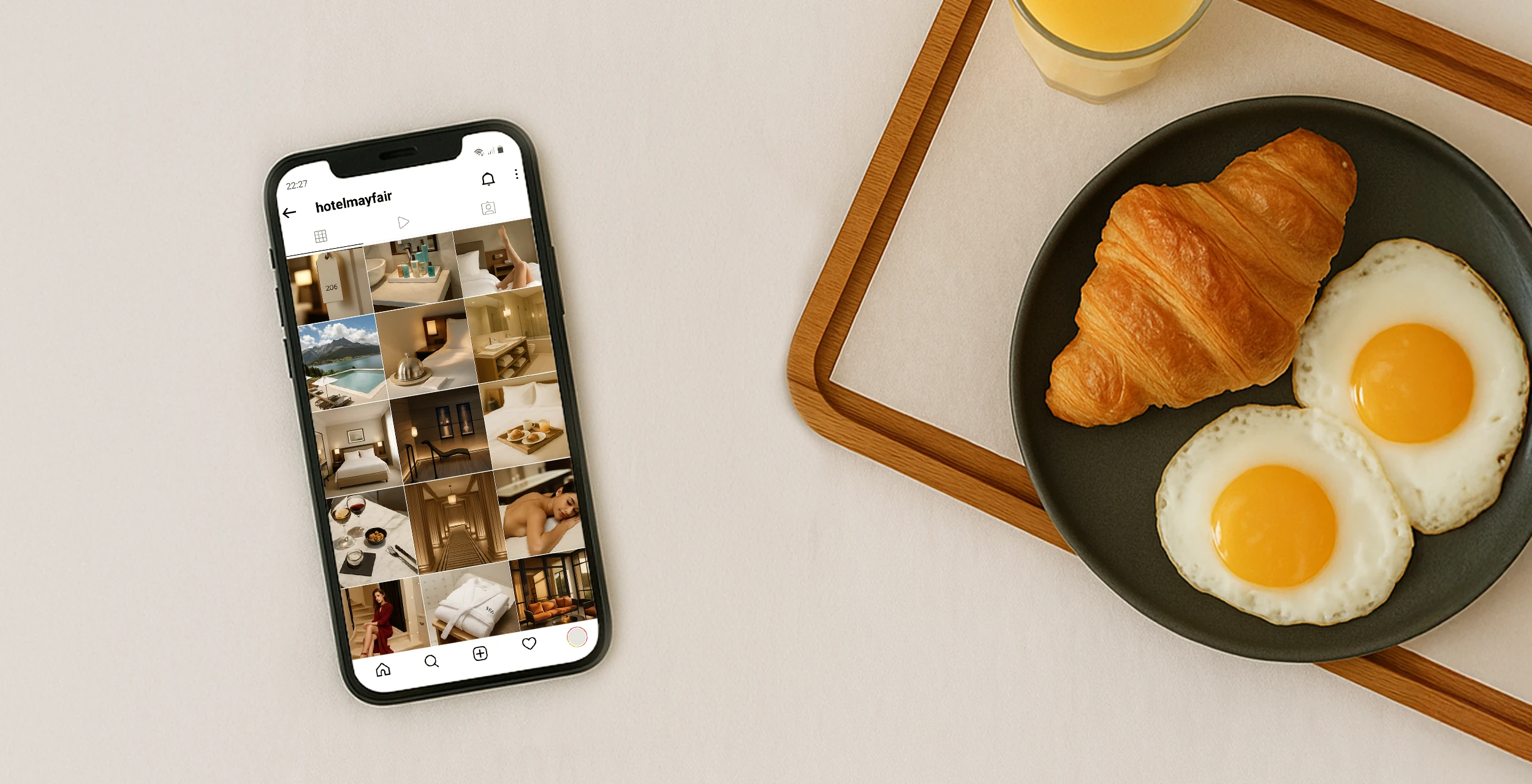
Instagram remains the primary platform for visual storytelling, with roughly 2.09 billion monthly active users. In 2026, Reels are the format that matters most:
- Reels average 2.7% engagement, nearly double carousels (1.4%) and static images (1.3%)
- 49% of Instagram views now come from non-followers via algorithmic discovery (Explore/Reels feed) — up from just 30% two years ago
- Target engagement rate for hospitality brands: 2.0–2.5%
What to post: room and amenity showcases, Stories and Reels for behind-the-scenes content, and creator collaborations. Follower count is no longer the KPI that matters — share rate and save rate are, since algorithmic reach now rewards content that gets shared regardless of your existing audience size.
TikTok has moved from “worth testing” to essential for reaching Gen Z and Millennial travellers, with 1.59 billion monthly active users.
- 58% of TikTok views now come from non-followers via the For You Page — up from 31% just two years ago, meaning a single well-timed video can outperform a large existing following
- Target engagement rate: 3.0–3.5%
- 58% of TikTok users have visited a hospitality venue after seeing it on TikTok
- Smaller hotel accounts are seeing engagement rates above 100%, with average video views around 89,000 per post
Social commerce has arrived here specifically: TikTok piloted in-app hotel booking through Booking.com landing pages embedded directly in travel videos, and launched TikTok Go, an affiliate programme paying creators commissions for verified bookings. A caveat worth knowing: these bookings currently still route through Booking.com, carrying standard OTA commission — so TikTok discovery doesn’t automatically mean a direct booking unless your own funnel captures it first.
With around 3.07 billion users, Facebook remains valuable for a different purpose than Instagram or TikTok: news, events, exclusive offers, targeted ad campaigns, and community-building through groups and travel-focused communities. It’s less about discovery now and more about retention, retargeting, and reaching an older demographic that still checks Facebook daily.
X remains useful for real-time updates, announcements, and quick customer service responses, and can still support visibility during travel conversations and trending topics — but its overall influence on hospitality discovery has shrunk relative to Instagram, TikTok, and YouTube, and it should be treated as a supporting channel rather than a primary one in 2026.
YouTube is increasingly relevant for spa walkthroughs, chef demonstrations, and immersive property tours. The current trend: shorter, more focused videos are outperforming long-form tours – travel brands posting less frequently but with tighter, higher-intent content are seeing view growth exceeding 180% year-over-year.
LinkedIn remains key for hospitality peer networking, employer branding, sustainability and award announcements, and corporate/event promotion – particularly relevant for hotel groups targeting MICE (meetings, incentives, conferences, events) business. Hospitality brands see a consistent average engagement rate of around 2.5% here regardless of page size.
Often skipped by hotel marketers, Pinterest remains strong for wedding, honeymoon, and long-lead travel planning content, where users are actively saving ideas weeks or months before booking.
3. Social commerce: Platforms are becoming booking engines
This is the single biggest shift in hospitality social media since Instagram introduced Stories, and it’s still underreported in most marketing guides.
Platforms are no longer just inspiration – they’re becoming transactional:
- TikTok Go pays creators for verified hotel bookings generated through their content
- Expedia’s “Trip Matching” lets users DM Instagram Reels directly to Expedia, which uses AI to generate a bookable itinerary from the video
- Perplexity launched hotel booking through Tripadvisor and Selfbook, covering roughly 140,000 properties
- ChatGPT Apps made Booking.com and Expedia first-class travel partners inside ChatGPT’s 800-million-user base
What this means practically: the line between “social content” and “booking engine” is dissolving. A guest can now go from watching a 20-second video to holding a confirmed reservation without ever opening a browser. For hotels, the strategic question is no longer just “how do we get discovered on social” — it’s “how do we make sure the booking that results from that discovery comes to us directly, rather than being routed through a third-party affiliate link.”
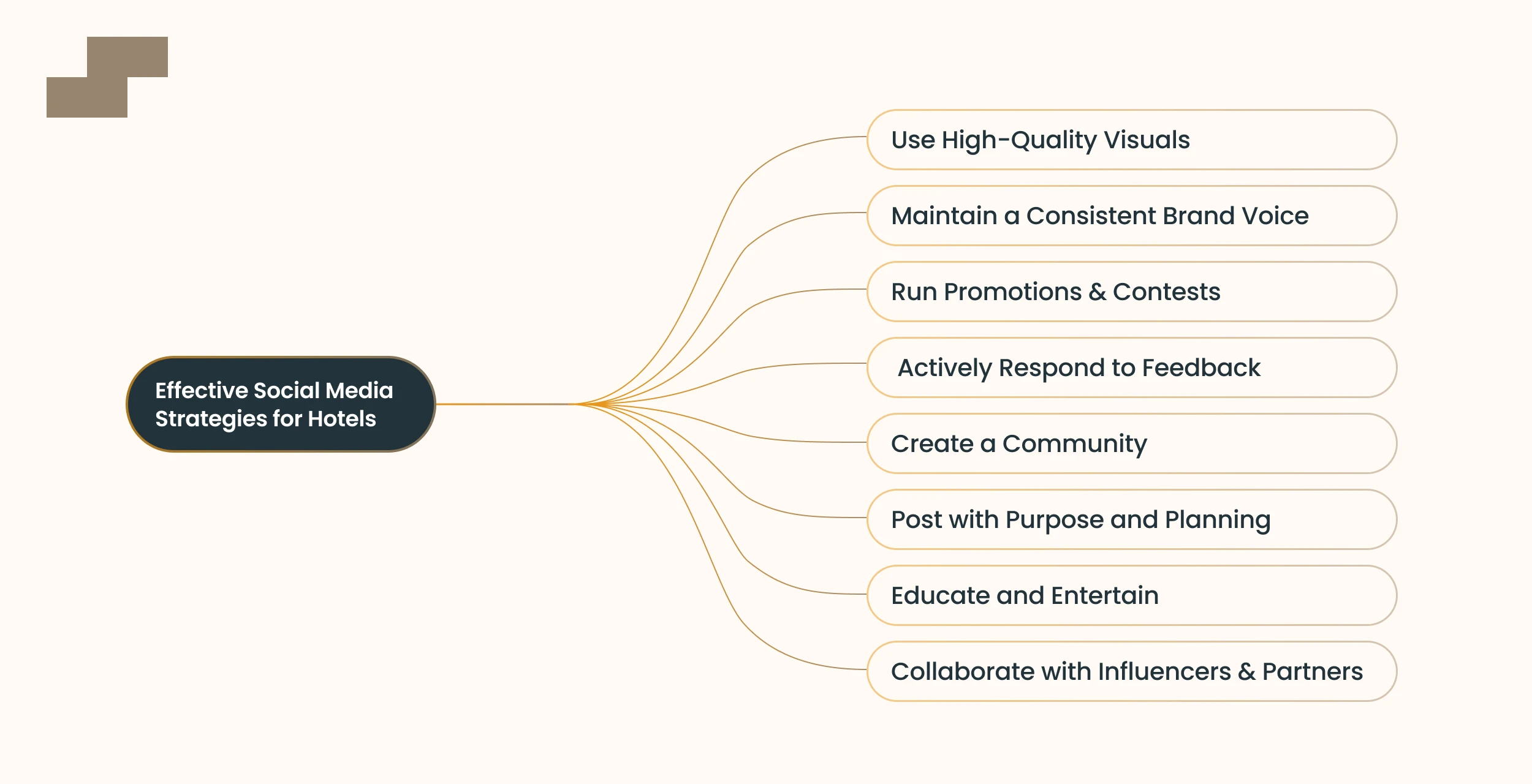
4. Effective social media strategies for hotels in 2026
- Prioritise Authenticity Over Polish
With 70.6% of people concerned about what’s real versus fake online, raw, relatable, staff-and-guest-led content is now outperforming heavily produced brand campaigns. Reviews, UGC, and tagged posts consistently outrank official brand content in trust and influence. This doesn’t mean abandoning quality — it means favouring genuine moments (a real staff member, a real guest reaction) over overly staged setups.
- Post Short-Form Video Consistently
3–5 short-form videos per week (Reels, TikToks, Shorts) is the current baseline for staying visible in algorithmic feeds. Video content generates 2.1–4.6x more reach than static images, and this gap is widening, not narrowing.
- Maintain a Consistent, Recognisable Brand Voice
Whether targeting adventure seekers, romantic getaways, or business travellers, tone should stay consistent across every touchpoint — captions, comment replies, and DMs alike. Use content calendars and style guides if more than one person manages your accounts.
- Run Promotions, Giveaways, and Interactive Content
Discounts, exclusive packages, and giveaways still spike visibility, particularly with interactive formats (polls, countdowns, quizzes). Set clear rules and timeframes, and consider bundling prizes with local partners to extend reach into new audiences.
- Respond to Every Comment, DM, and Review
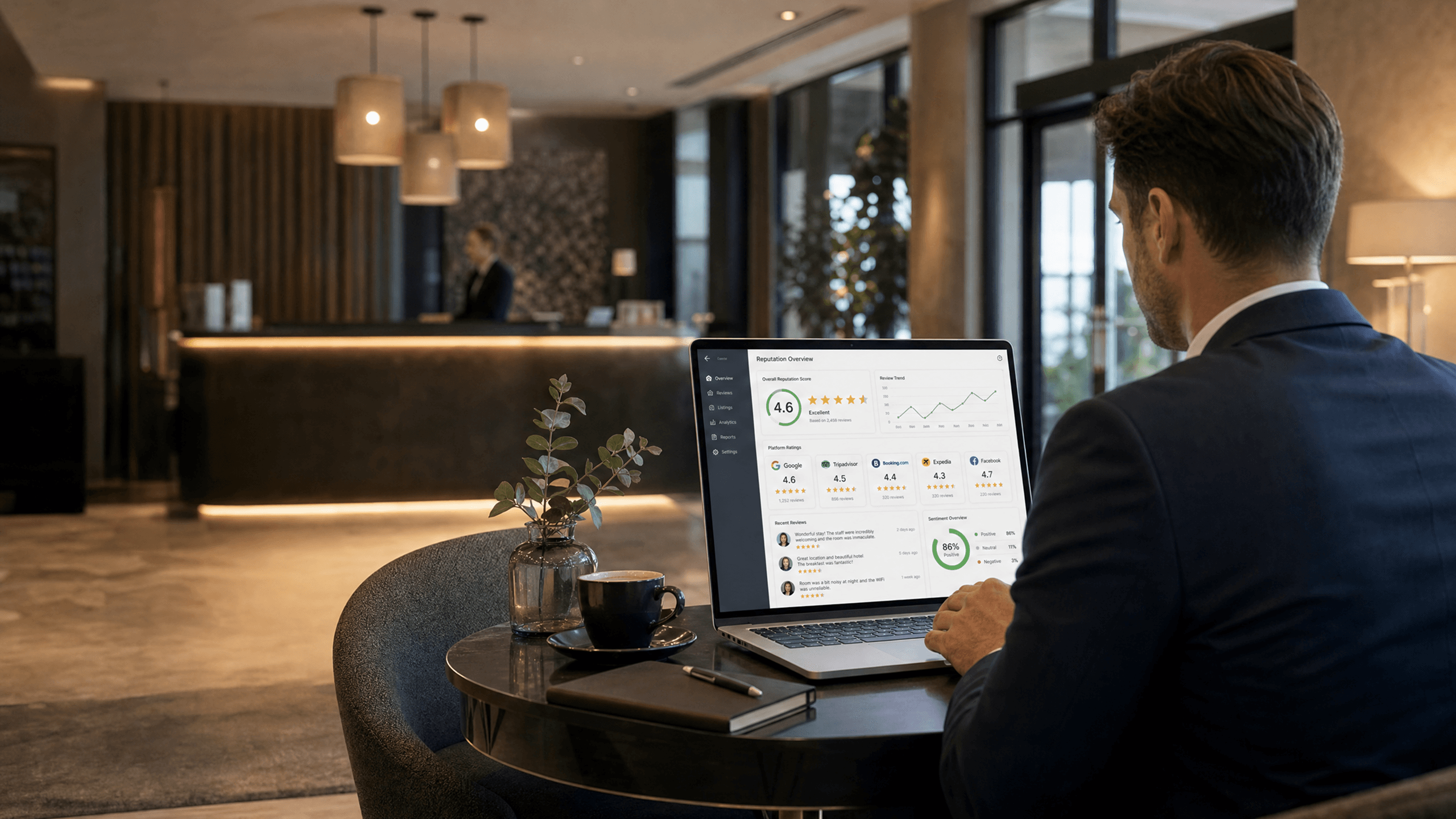
Responsiveness is now a direct booking driver, not just good service: 73% of diners actively choose a competitor when a brand is inconsistent or unresponsive online. Address negative feedback with empathy and professionalism rather than ignoring it — this transparency builds trust with everyone watching, not just the original commenter.
- Build a Real Community, Not Just an Audience
Encourage UGC through branded hashtags, highlight repeat guests and staff stories, and share genuinely useful local tips. Guests who feel part of your story are measurably more likely to return and refer others.
- Post With Purpose — Structured Themes, Not Random Content
Weekly content themes (guest testimonials, offer spotlights, behind-the-scenes features) create consistency without requiring constant new ideas. Use scheduling tools to maintain frequency without burning out your team — especially relevant given that the average UK hospitality social media team is just 1.3 people.
- Educate and Add Real Value
Travel tips, local recommendations, seasonal recipes, and practical packing guides build authority and give people a reason to follow you beyond just browsing pretty photos.
- Invest in Influencer and Creator Partnerships
91% of UK hospitality brands now do some form of influencer marketing, and paid influencer work has risen sharply year-on-year. Micro-influencers (under 100,000 followers) frequently outperform larger accounts on trust and engagement, and 57% of marketers report better results with micro-influencers specifically. Ensure any partnership aligns with your brand and feeds a genuine content strategy rather than a one-off post.
5. Measuring what actually matters (Not Just Likes)
Follower count is no longer a reliable KPI. The metrics that connect social media to actual revenue in 2026:
- Share rate and save rate — stronger predictors of algorithmic reach than likes or follower count
- Engagement rate benchmarks — 3.0–3.5% on TikTok, 2.0–2.5% on Instagram for hospitality specifically
- Social referral traffic to your booking engine — currently contributing roughly 3–9% of direct hotel bookings industry-wide
- Booking CTAs in posts — only around 12% of hotel social posts currently include one, which is a significant, easy-to-fix gap for most properties
- Attributed bookings by platform/campaign — use UTM parameters and platform-native analytics together, not either alone
Practical tip: repurpose your best-performing organic posts into paid ads or email content to extend their value rather than treating every post as a one-time asset.
6. Pro tips for sustainable growth
- Consider working with micro-influencers who specialize in travel, lifestyle, or local experiences. Their trust factor is high, and the cost is often lower than that of large influencers.
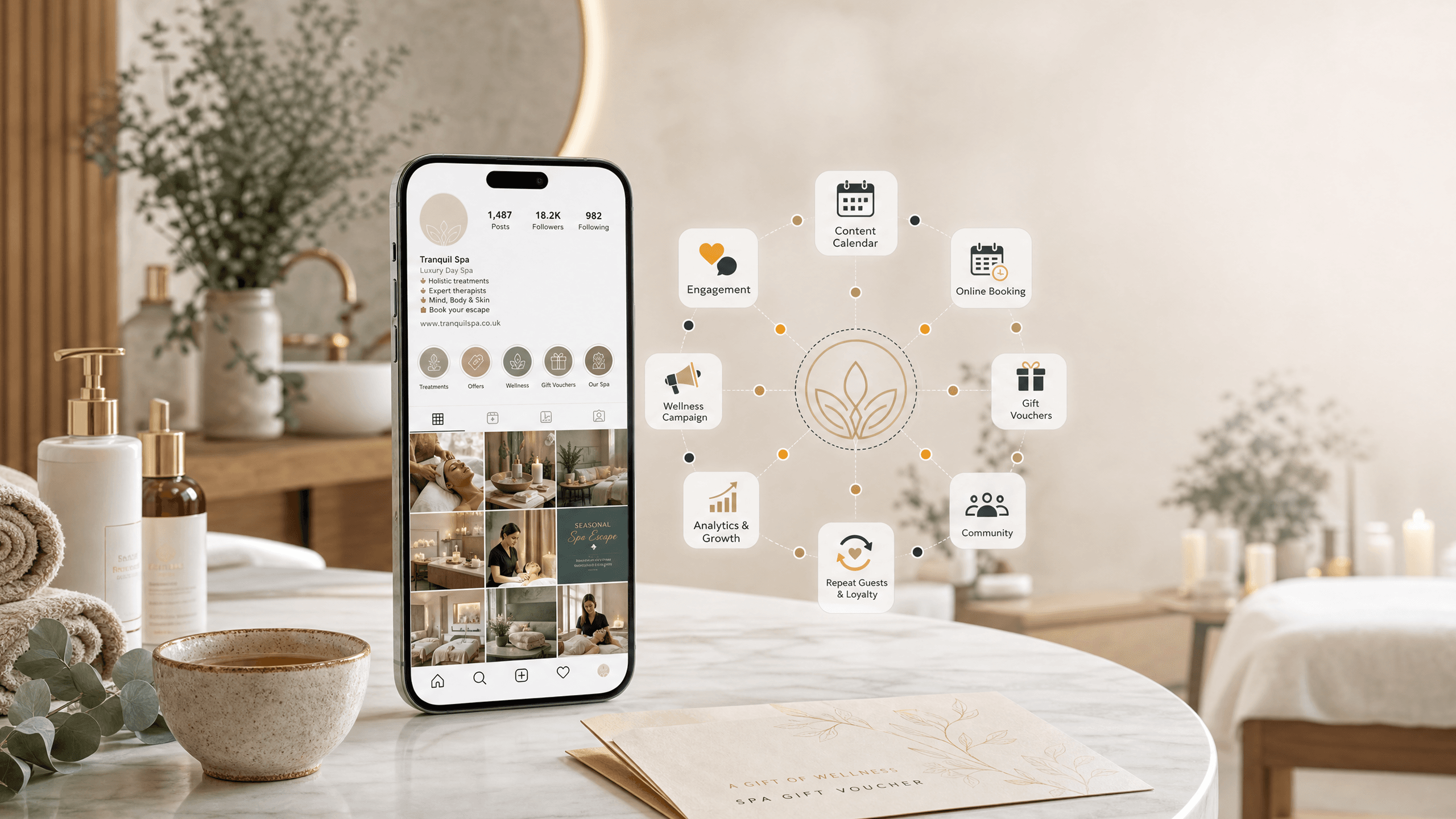
- Use analytics tools to find out what content performs best, what time your audience is online, and which platforms drive the most direct traffic to your booking site.
- Repurpose successful posts into ads or email content to stretch their impact.
Hospitality social media marketing in 2026 is a direct line to modern travellers – not a supplementary brand exercise. With platforms actively building booking functionality directly into the discovery experience, the hotels that treat social as a measurable, full-funnel revenue channel — not just a place to post pretty photos — are the ones capturing bookings their competitors are unknowingly handing to OTAs and third-party affiliates instead.
Start small if you need to: pick one platform, post with real intent for four weeks, and track bookings attributed back to it. The compounding effect of consistent, authentic content is significant, and it’s available to properties of any size.
Ready to grow your hotel brand? Get a customised social media marketing strategy for your hospitality business.
7. Social Media in Hospitality Marketing FAQs
There’s no single answer — Instagram and TikTok currently drive the strongest booking-influenced discovery, with 61% of travellers booking after seeing a hotel on Instagram and 32% after TikTok. But the right platform mix depends on your target guest: Facebook and email still matter for retention, LinkedIn for corporate/MICE business, and Pinterest for long-lead planning like weddings.
Less than it used to. Algorithmic discovery now drives the majority of views on both TikTok (58% from non-followers) and Instagram (49% from non-followers), meaning a smaller account with genuinely shareable content can outperform a larger one with generic posts.
Increasingly, yes, though the picture is mixed. TikTok Go and TikTok’s Booking.com integration allow in-app booking, and Expedia’s Trip Matching lets users convert Instagram Reels into bookable itineraries via AI. Most of these currently route through OTA partners rather than your own direct channel, so treat social commerce as a discovery accelerant to capture and redirect, not a replacement for your own booking engine.
3–5 short-form videos per week is a reasonable baseline for staying visible in algorithmic feeds, alongside daily Stories and regular static/carousel posts. Consistency and quality matter more than sheer volume — several sources now show hotels posting less frequently but with sharper, higher-intent content actually gaining more views.
Generally, yes, particularly with micro-influencers. Marketers report better results from micro-influencers than larger accounts in most cases, and the cost is typically far lower than partnering with a large-follower creator, while trust and local relevance tend to be higher.
Track attributed bookings by platform using UTM parameters, monitor share/save rate rather than just likes, and check what percentage of your posts include a clear booking CTA — currently only around 12% of hotel posts do, representing an easy, immediate improvement most properties can make.



You have brought up a very fantastic points, appreciate it for the post.