In today’s hospitality landscape, guest reviews are no longer just about influencing bookings – they now determine whether your hotel even appears in AI-powered recommendations. Research on Google’s AI Mode shows that most hotel links surfaced in AI-generated responses route to a Google Business Profile rather than a hotel’s own website, with reviews acting as the single largest trust signal. A thin, outdated, or unanswered review base doesn’t just cost you bookings from human readers scrolling TripAdvisor; it risks making your hotel invisible at the very moment an AI assistant decides whether to recommend it by name.
That’s why proactive reputation management has become essential. Reviews are digital word‑of‑mouth, shaping trust, boosting SEO visibility, and offering operational feedback that helps hotels improve guest experiences. Studies reveal that 93% of travelers read reviews before booking, and search engines reward businesses with consistent, fresh, positive feedback. With the right hotel reputation management services, you can harness this power to drive bookings, elevate guest satisfaction, and maintain a polished brand image online.
This guide tackles both sides of the challenge: proven tactics to generate more guest reviews and the often-overlooked reputation‑management layer – compliance, AI visibility, and handling reviews that aren’t genuine. Together, these strategies ensure your hotel isn’t just chosen by guests, but also surfaced by the AI systems shaping the future of hospitality.
1. Why guest reviews matter more than ever
- Booking influence – the large majority of travellers read reviews before booking and trust guest reviews over branded advertising
From discovery to conversion, this guide covers platform strategies, content frameworks, influencer marketing, paid advertising, analytics, and growth tactics for hotels, restaurants, and spas. We'll unpack: |
- SEO benefits – search engines favour businesses with consistent, fresh, positive reviews, improving both local ranking and organic visibility
- AI recommendation influence – increasingly the deciding factor in whether an AI system confidently recommends your property by name (more on this below)
- Trust and social proof – reviews function as digital word-of-mouth; a single detailed, positive review can do more to convert a hesitant browser than any ad
- Operational feedback – reviews are free, structured insight into what’s actually working and what isn’t
2. 12 tips to get more guest reviews
(i) Automate the review request process
Manually asking each guest for a review is inefficient and unreliable. Automation ensures that every guest is consistently encouraged to leave feedback at the perfect time, right after their stay, when their experience is fresh.
How to automate:
- Email automation via PMS: Set up your property management system (PMS) to send a thank-you email within 24-48 hours post-checkout. Include a direct link to your review platform of choice.
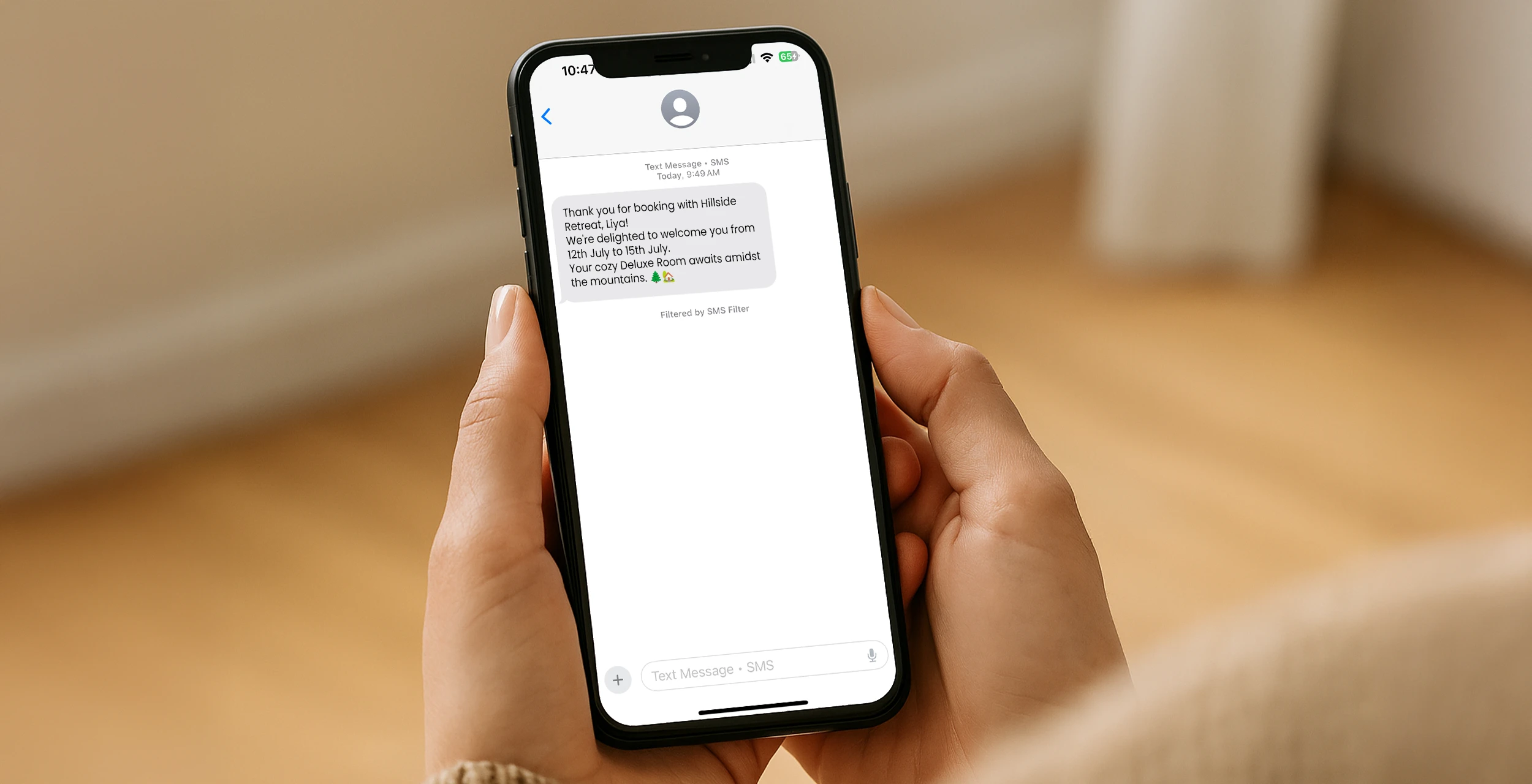
- SMS invitations: A well-timed, personalised text message can prompt immediate action. SMS messages have much higher open rates than emails.
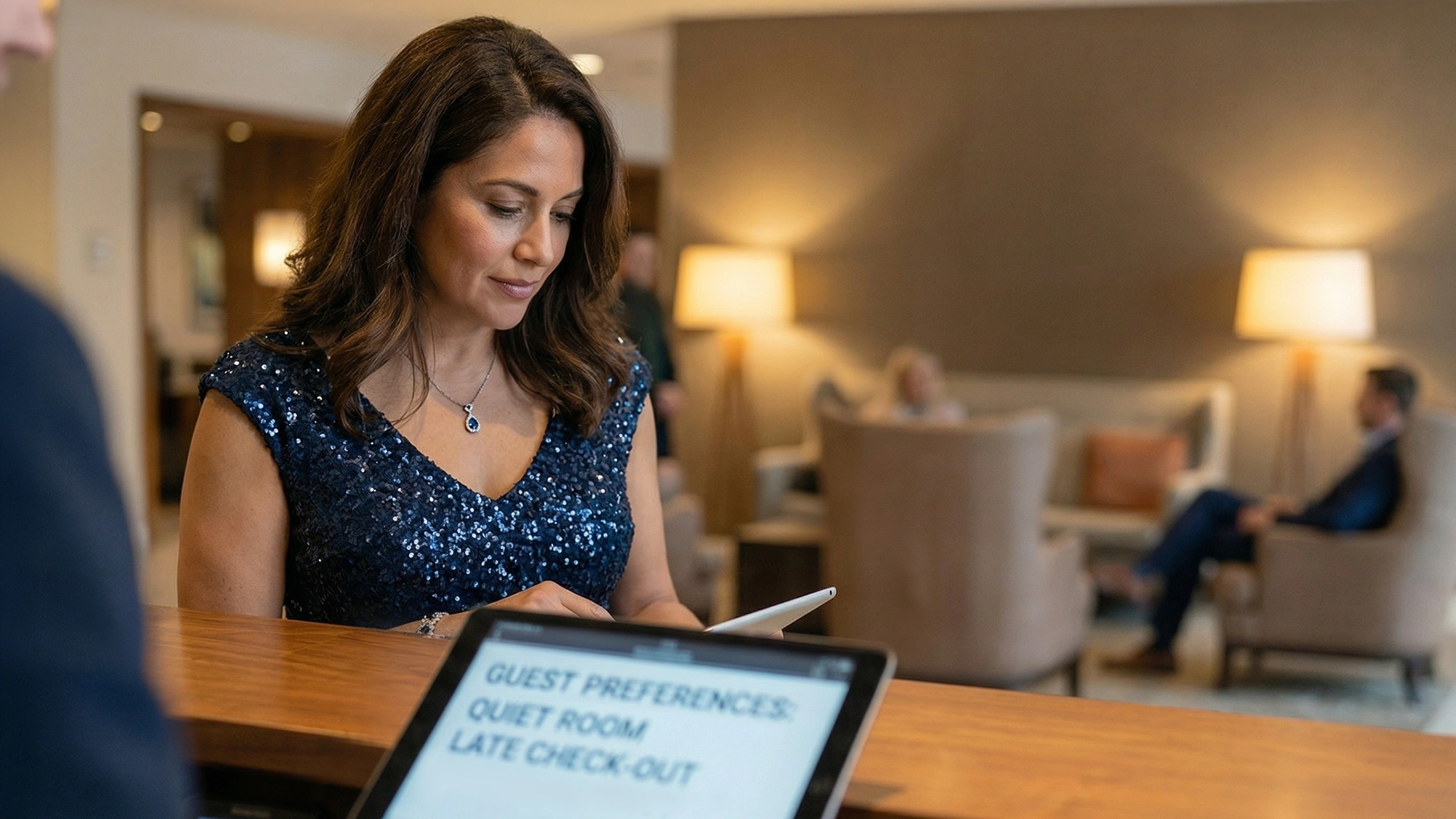
- On-Site tech: Use in-room tablets or check-out kiosks that invite guests to review their stay in real time.
A reliable automation setup, often available through online reputation management solutions, increases your total hotel customer reviews with minimal effort.
(ii) Use the right online reputation management solutions
Not all tools are created equal. Investing in the best online reputation management solutions can make a measurable difference in how effectively you monitor, collect, and respond to guest feedback.
Choosing the right online reputation management solutions can make or break your strategy. Look for features such as:
- Integration with review platforms: Choose tools that automatically sync with Google, TripAdvisor, Expedia, Booking.com, and other OTAs.
- Sentiment analysis: Track the tone of every hotel customer review using AI-powered analysis.
- Response automation: Tools that suggest or automatically respond to reviews save time and ensure a consistent brand voice.
- Insightful dashboards: Visual dashboards help you spot trends, benchmark performance, and drill into pain points.
These features, often packaged within hotel reputation management services, let you take control of your reputation and improve it continuously.
When you implement high-end hotel reputation management services, you streamline review collection and stay ahead of negative trends.
(iii) Implement a multi-channel review collection strategy
Not all guests use the same platforms. A strong online reputation management strategy includes collecting reviews across multiple platforms. Your guests are everywhere, and your reviews should be too.
A complete online reputation management strategy ensures you gather reviews across multiple channels:
- Google My Business: Critical for local SEO and appearing in the map pack.
- TripAdvisor: Especially important for international or experience-driven travelers.
- OTAs (Expedia, Booking.com): These platforms often rank hotels based on review volume and rating.
- Social Media and Review Sites: Facebook, Yelp, and regional travel forums should not be ignored.
By diversifying, your hotel’s presence improves across all the platforms your guests frequent. Use online reputation management solutions to unify and monitor all platforms from one dashboard.
(iv) Incentivise reviews (without breaking the rules)
Offering guests a reason to leave a review while staying compliant is another effective method. Incentivisation can be tricky, but when done ethically, it works. Transparency and non-coercion are key.
Safe Incentive Ideas:
- Loyalty Points: Offer points redeemable on future stays regardless of review sentiment.
- Discount Code: Offer a small discount for completing a review survey.
- Social Spotlight: Inform guests that top reviews may be featured on your social media.
Make sure your online reputation management strategy complies with review site policies, and consult a top online reputation management agency if needed.
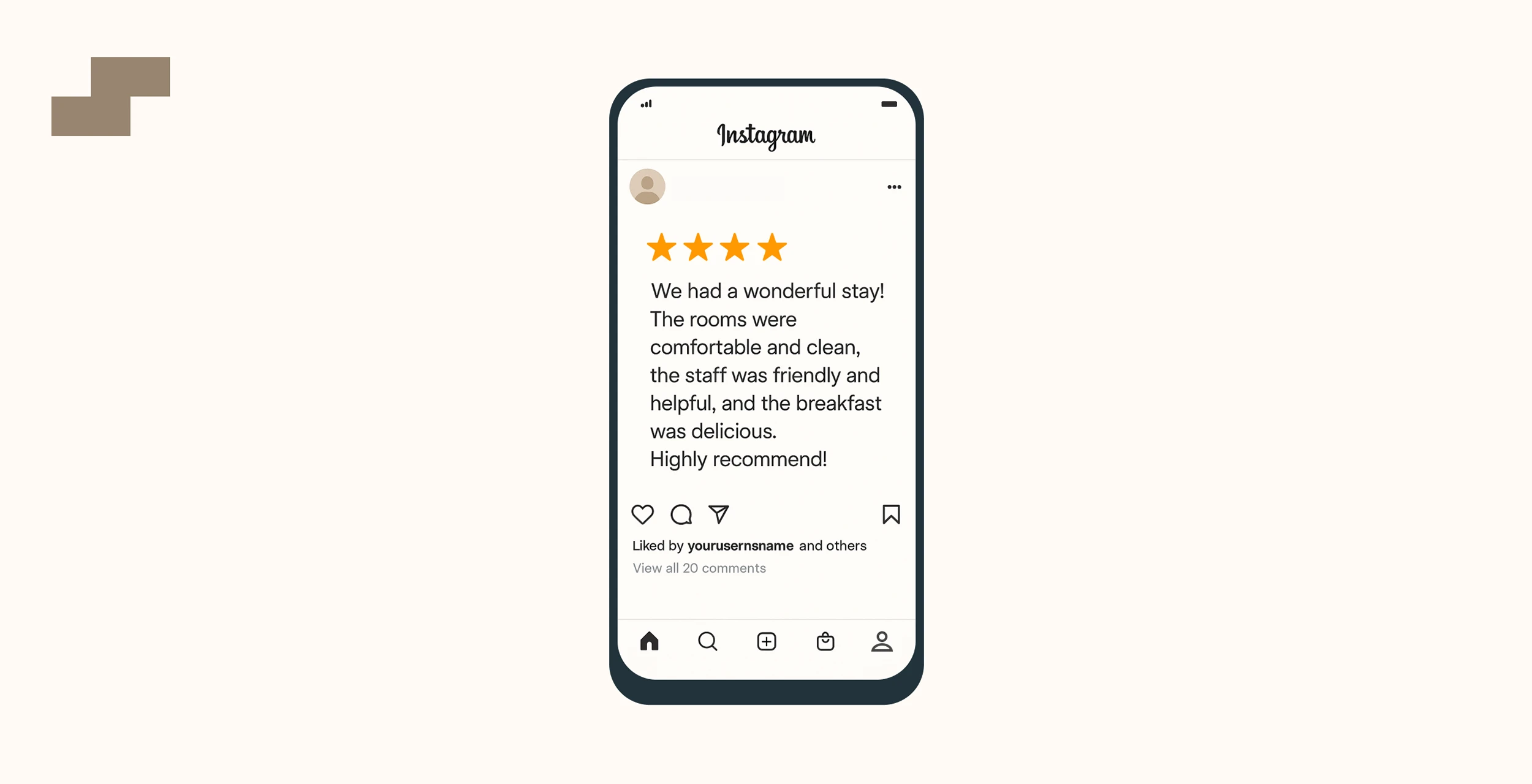
(v) Train your team to ask for reviews naturally
While automation works, human interaction still plays a huge role. Staff should be trained to recognize happy guests and nudge them toward writing reviews.
Ways to encourage:
- Checkout Script: Train front-desk staff to say, “We’d love your feedback online.”
- Room Collateral: Add table tents or cards with QR codes linking to your review sites.
- Service Recovery: Empower staff to turn negative experiences into positive reviews by resolving issues on the spot.
Your frontline team can be your most powerful review-generating engine. Integrating review prompts into service rituals is key to effective hotel reputation management services.
(vi) Respond to every hotel customer review (especially negative ones)
Responding to reviews shows guests you value feedback. More importantly, it boosts visibility and conversions:
Review response strategy:
- Positive: Thank the guest, name-check any mentioned staff or features, and invite them to return.
- Neutral: Acknowledge their feedback and highlight improvements based on it.
- Negative: Respond with empathy, outline corrective actions, and offer to resolve offline.
Using professional online reputation management solutions, you can automate responses and maintain brand tone.
Most online reputation management solutions offer templates and tracking to ensure no review is missed.
(vii) Monitor, analyse & act on review insights
Every review is a data point. Modern hotel reputation management services help you uncover actionable insights. The best hotel reputation management services track and interpret this feedback:
- Sentiment Trends: Identify recurring pain points like cleanliness or noise.
- Feature Mentions: See which amenities (WiFi, breakfast, pool) are driving satisfaction.
- Staff Mentions: Reward top performers mentioned by name.
With insights from the best online reputation management agency, you’ll not only improve review scores but also operations.
(viii) Showcase guest reviews across marketing channels
Guest reviews can be used far beyond OTA listings. They’re powerful marketing content when used creatively.
Maximise the impact of every hotel customer review:
- Website Widgets: Feature top TripAdvisor or Google reviews.
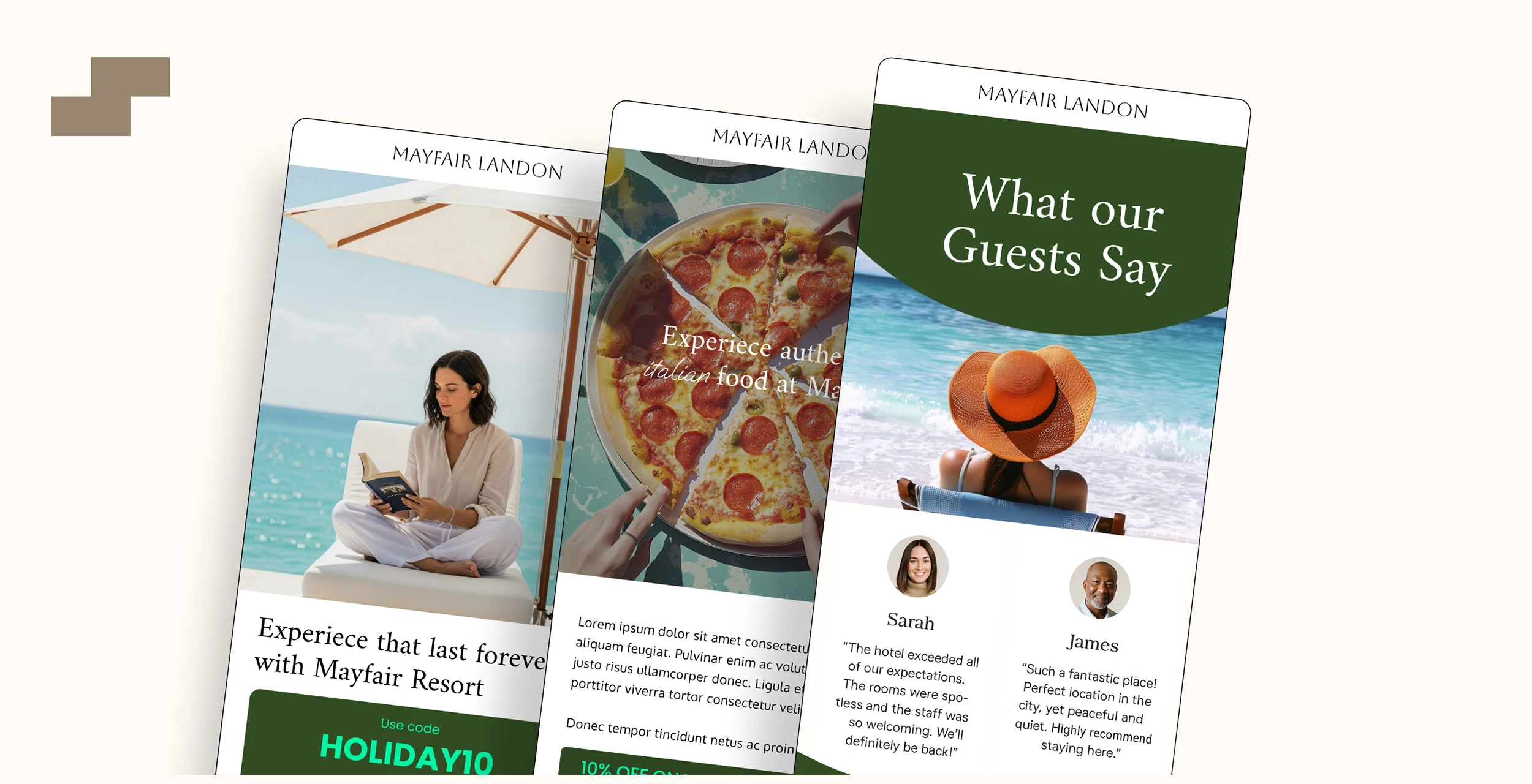
- Email Marketing: Highlight glowing testimonials in promotional campaigns.
- Social Proof: Add user quotes to Instagram, Facebook, or digital ads.
Your online reputation management strategy should include a content repurposing workflow to leverage your best feedback.
(ix) Optimise your Google Business Profile
Google is often the first place potential guests find your hotel. An optimised profile increases trust and drives conversions.
Google reviews influence your local ranking more than any other factor. Here’s how to optimise:
- Keep Information Updated: Add seasonal photos, descriptions, and amenities.
- Post frequently: Share events, offers, and news.
- Answer Questions: Monitor the Q&A section.
With the support of expert hotel reputation management services, you can consistently improve your search position.
(x) Partner with the best online reputation management agency
Sometimes internal resources aren’t enough. The best online reputation management agency offers:
- Professional review response writers
- Performance audits and benchmarking
- Full integration with booking and PMS systems
- Crisis communication planning
By outsourcing, your team gains strategic oversight and access to sophisticated online reputation management solutions.
With access to top-tier online reputation management solutions, these agencies scale your efforts fast.
(xi) Build loyalty through review engagement
Loyal guests are repeat reviewers. Turning reviewers into loyal guests is a smart way to grow your base organically.
A successful online reputation management strategy includes:
- Follow-up Campaigns: Thank guests for reviews and invite them back.
- VIP Recognition: Surprise and delight frequent guests who leave multiple reviews.
- Review Milestones: Celebrate your 1,000th Google review on social media.
These ideas align with long-term online reputation management strategy and brand equity building. This not only boosts retention but also fuels ongoing growth.
(xii) Track KPIs & continuously improve
Reputation management is a marathon, not a sprint. Track progress over time and iterate.
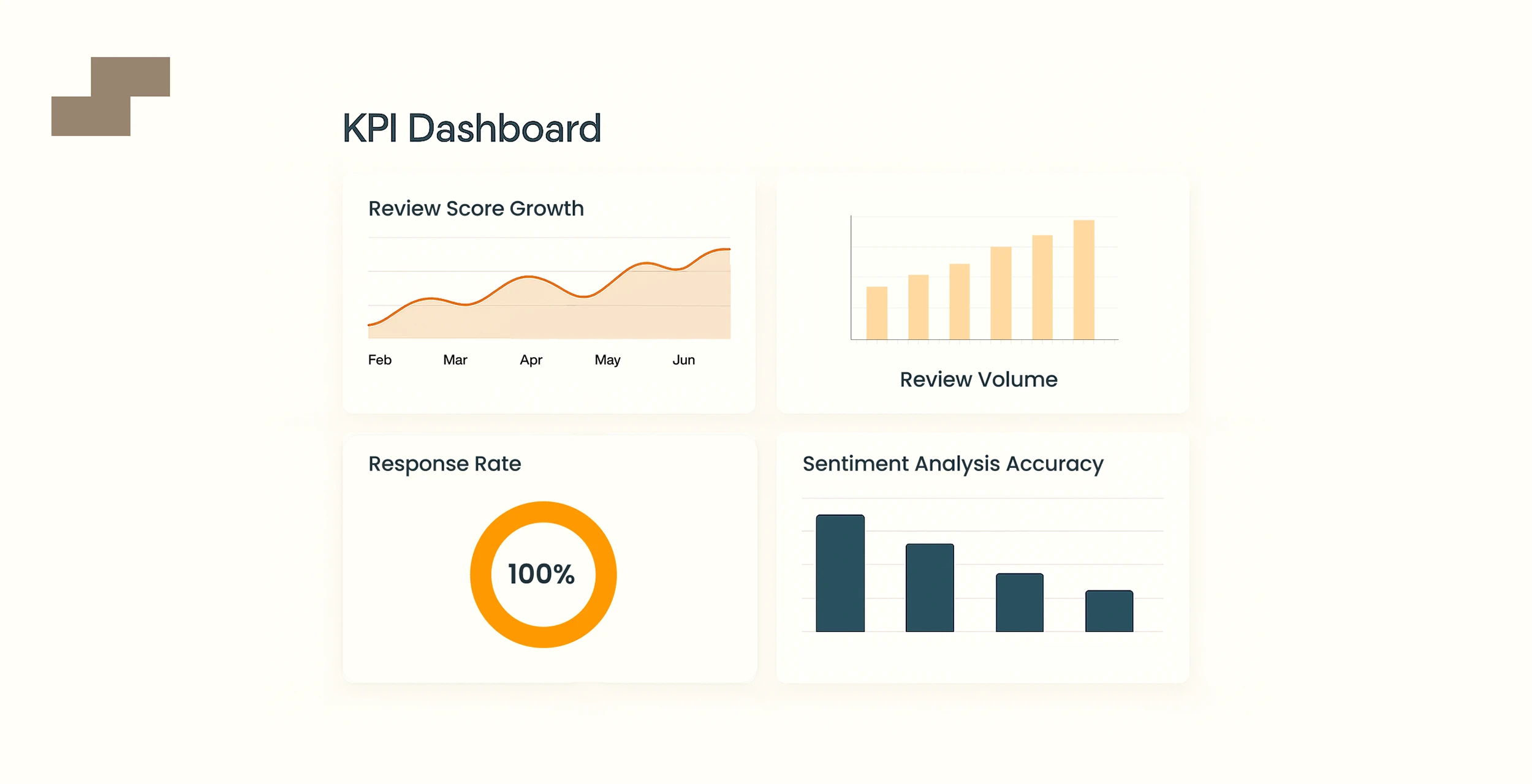
Use data from online reputation management solutions to track:
- Review Score Growth: Aim for a 0.2–0.5 increase per quarter.
- Review Volume: Weekly or monthly growth rate.
- Response Rate: Ideal is a 100% response rate in under 48 hours.
- Sentiment Analysis Accuracy: Use AI tools to improve understanding.
Top-tier hotel reputation management services provide this reporting automatically.
Online reputation management solutions make it easy to visualize KPIs and share them with your team or agency.
3. Reviews as an AI trust signal, not just a human one
This is the section most reputation-management guides – including the previous version of this one – miss entirely.
AI systems generating hotel recommendations (Google AI Mode, ChatGPT, Perplexity) weigh review volume, recency, and sentiment heavily when deciding whether to confidently recommend a property by name. A hotel with a high average score built entirely on reviews from three years ago reads very differently to an AI system than one with the same average score and a steady, recent flow – recency signals current relevance, not just historical quality.
Practical implications:
- A steady weekly or monthly review cadence matters more for AI visibility than a single push for volume once a year
- Review text, not just star rating, is what AI systems parse for specific, quotable detail – a review saying “the walk-in shower and lake view in room 12 made our anniversary” is far more useful to an AI system than “great stay!”
- Consistent business details (name, address) across every review platform matter here too – the same NAP consistency issue that affects local SEO also affects whether an AI system can confidently attribute reviews across platforms to the same, single entity
For the fuller picture on this, see our GEO for hotels guide.
4. Rules on fake reviews and review-gating
Beyond the incentive-compliance point above, UK hotels should be aware that fake and manipulated review enforcement has genuinely tightened. The Digital Markets, Competition and Consumers Act treats submitting, commissioning, or hosting fake reviews as a specific offence, with the CMA empowered to take direct enforcement action rather than relying solely on court proceedings. This isn’t an abstract risk – it’s grounds for real penalties, and it makes “buying” reviews or selectively soliciting only happy guests a genuinely bad idea beyond the ethical concern.
5. Handling fake or defamatory negative reviews
Not every negative review is genuine feedback – a competitor, a disgruntled ex-employee, or a review left about the wrong property entirely can and does happen. What most guides skip is what to actually do about it:
Respond calmly and factually first
Even a fake review deserves a measured public response; an angry reply looks worse than the review itself
Use the platform reporting process
Google, TripAdvisor, and OTAs all have dedicated fake-review reporting mechanisms, and providing evidence (booking records showing no matching stay, for example) significantly improves removal odds
Consider defamation only when warranted
Not simply harsh criticism, which is protected opinion; this is a high bar, and legal escalation should be a last resort after platform reporting has failed
Avoid public arguments and threats
This rarely helps and often becomes its own screenshot-worthy story
6. Video reviews and testimonials – A growing format
Beyond written reviews, video testimonials are increasingly common on TripAdvisor, Google, and social platforms, and they carry disproportionate trust – a genuine, unscripted guest talking about their stay reads as more credible than text alone, and it’s repurposable content across your own marketing channels too. Consider a light-touch prompt at checkout for guests who seemed particularly delighted (“would you mind recording a 30-second thought on your stay?”) as a complementary, not replacement, tactic alongside written review requests.
7. Final thoughts: Reviews are the foundation of hospitality growth
From improving guest experiences to driving direct bookings, your reputation is your hotel’s most valuable digital asset. With the right online reputation management strategy, supported by trusted hotel reputation management services and cutting-edge online reputation management solutions, you can:
- Collect more high-quality guest feedback
- Elevate visibility across all digital channels
- Build trust, loyalty, and long-term revenue
If your internal team needs help or bandwidth is limited, consider partnering with the best online reputation management agency in your market. Investing in a comprehensive review ecosystem today will set your brand up for sustainable growth tomorrow.
Ready to elevate your guest review strategy? Schedule a free consultation with our hotel reputation experts today and see how we can help you get more reviews, improve visibility, and grow your bookings, naturally.
8. FAQ's
There’s no single magic number, but crossing roughly 50 reviews is commonly associated with a meaningful jump in click-through, and consistent, recent review volume matters more for both local ranking and AI visibility than a high score built on old reviews alone.
Yes, provided the incentive is offered regardless of what the guest writes — loyalty points or a small discount for completing a review, not for leaving a positive one specifically. Incentivising or soliciting only positive reviews (review-gating) breaches both platform policies and UK consumer protection rules.
.
Respond calmly and factually in public, then use the platform’s formal fake-review reporting process with any supporting evidence (booking records, dates). Legal action should be a last resort reserved for genuinely false, damaging claims — not simply harsh but honest criticism.
Yes, increasingly significantly. AI systems weigh review volume, recency, and sentiment when deciding whether to confidently recommend a property, and specific, detailed review text is more useful to these systems than a star rating alone.
Aim for 100% response rate within 48 hours. This is now treated as a direct trust and ranking signal, not just good customer service practice.
In-house management works well with the right tools and a dedicated process; agency partnership adds professional response writing, benchmarking against competitors, and crisis planning — valuable when internal bandwidth is limited or review volume outpaces what a small team can manage consistently.
While we specialise in the UK market, we work with hotels globally. Our strategies adapt to local markets, search behaviors, and competitive landscapes. We’ve successfully managed campaigns for properties across Europe, North America, and other regions.