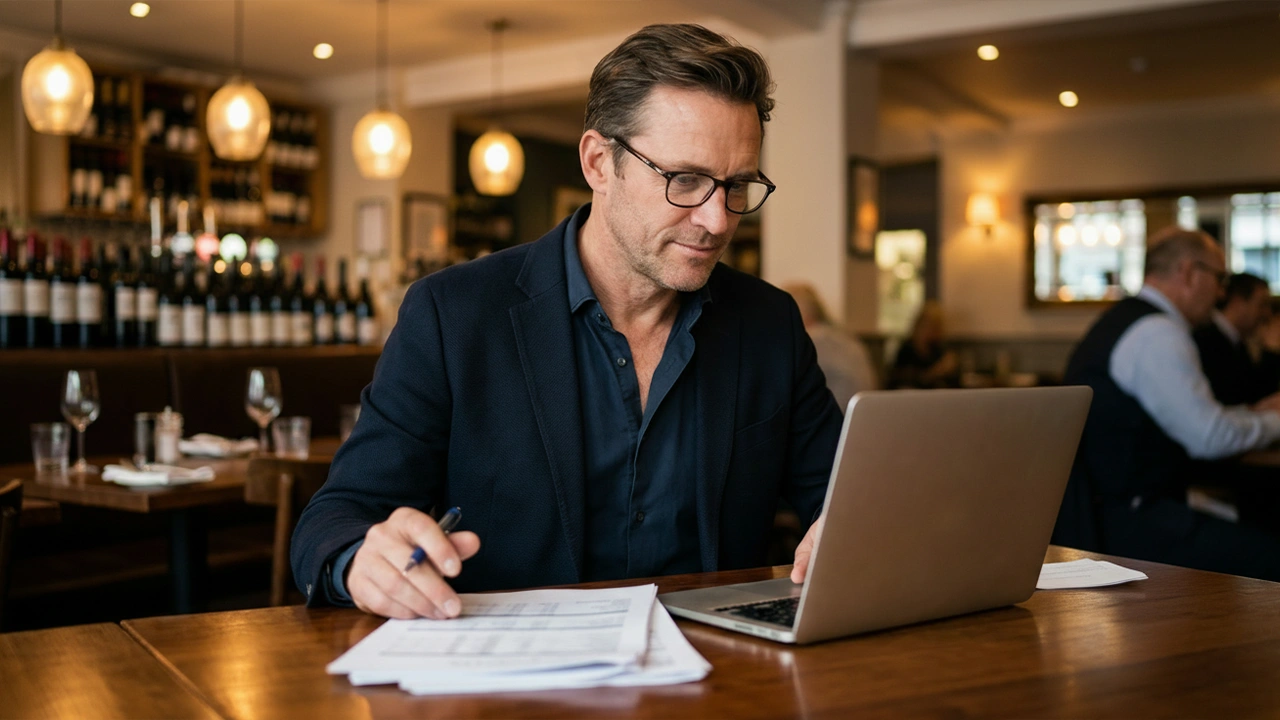
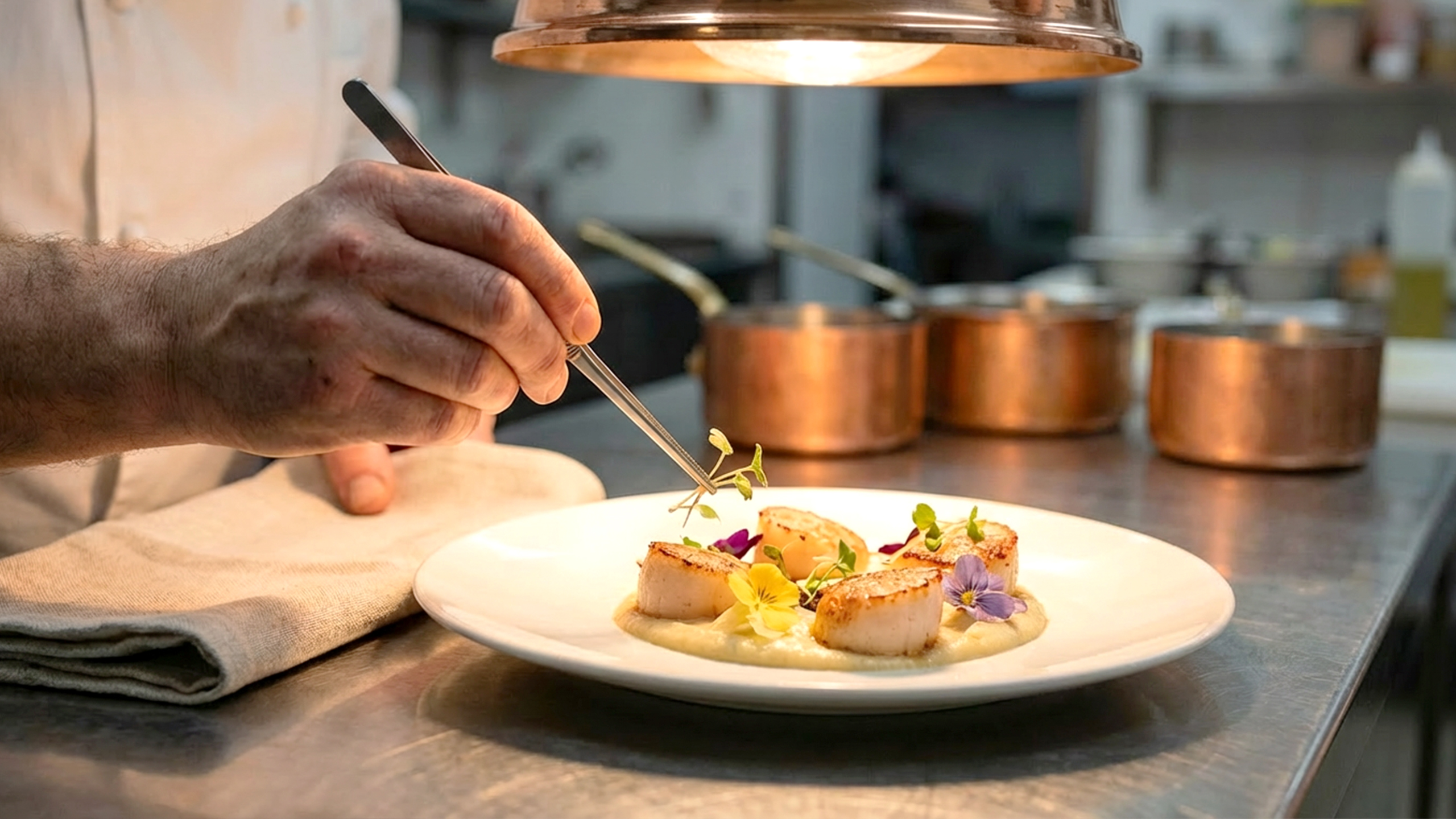
The Wild Oak, a 70-cover independent restaurant in a well-known UK city-centre dining district, had the fundamentals guests love – a strong seasonal menu, an experienced head chef, and loyal regulars – but was leaking revenue through the week. Friday and Saturday nights were full most weeks; Monday to Thursday told a different story, with covers running at roughly 55% of capacity. Marketing was reactive: occasional Instagram posts, no structured review strategy, and almost total reliance on third-party booking platforms for discovery. Over a 7-month engagement, a coordinated growth strategy closed much of that weekday gap and shifted guest acquisition away from paid, commission-heavy channels – a pattern we’ve seen repeated across several similar independent restaurants.
1. The starting point: A strong kitchen, an inconsistent front door
Weekday covers sat around 55% of capacity, direct bookings through the website were minimal, and the restaurant’s Google Business Profile was incomplete – no menu attached, out-of-date opening hours, and only 85 reviews at a 4.1 average. Social channels existed but lacked a consistent voice, a content calendar, and real local discovery value. There was no database of past guests to remarket to, so every quiet Tuesday started from zero.
2. The strategy: Four coordinated workstreams
2.1 Google Business Profile & Local SEO Overhaul
| See how a coordinated local SEO, social media, reputation and lifecycle marketing strategy increased weekday covers by 32% for The Wild Oak. |
|
The GBP listing was rebuilt from the ground up – full menu upload, accurate hours, dish-level photography, and weekly Google Posts promoting set menus, wine pairing nights, and last-minute tables. On-site local SEO targeted searches like “best restaurant [neighbourhood]” and “date night restaurant [city]”, replacing thin, generic landing copy.
To learn more about implementing these specific local search tactics, explore our complete 2026 restaurant SEO guide.
2.2 Social Media Rebuild
Instagram and Facebook were rebuilt around kitchen storytelling – the chef’s sourcing decisions, behind-the-pass content, and guest reactions – replacing sporadic plated-food shots with a content calendar guests actually engaged with. Short-form video of signature dishes became the best-performing format by a wide margin.
2.3 Online Reputation Management
A structured review generation flow was introduced at the end of every table’s visit via a simple QR prompt, alongside a same-day response commitment to every review – positive or negative. Response templates were built to acknowledge specifics (a dish, a server, a wait time) rather than generic thank-yous, which meaningfully improved how future guests read the review section.
2.4 Lifecycle Email & SMS Marketing
A guest database was built for the first time from booking confirmations and the reputation-management opt-ins, then segmented into a Tuesday/Wednesday “quiet night” offer list, a birthday club, and a general newsletter for new menu launches and events. This became the restaurant’s first fully owned, zero-commission booking channel.
3. Closing the weekday gap without discounting the brand
Rather than running blanket midweek discounts – which can quietly damage weekend pricing power and guest perception – the team built targeted, time-boxed offers: a set-menu Tuesday aimed at local diners, a Wednesday wine pairing evening promoted through email and Google Posts, and geo-targeted paid social ads served only within a 3-mile radius on the two slowest nights of the week.
Local, radius-targeted paid social
Meta ads were reworked from broad city-wide reach to a tight local radius, with creative rotated weekly to avoid fatigue and a clear, single call to action: book direct. This is the same discipline ThisRapt applies to hotel and spa paid social – narrow the audience, sharpen the offer, and always route the click to a direct, commission-free booking path.
Owned-channel remarketing
Past guests who hadn’t returned within 60 days were automatically added to a light-touch “we miss you” email sequence with a modest incentive for a weekday visit. This single sequence became one of the highest-converting channels in the entire campaign, precisely because the audience already knew and trusted the restaurant.
4. Key results and learnings
- 32% increase in weekday (Mon–Thu) covers
- 45% increase in direct, commission-free bookings via the website
- Average Google rating improved from 4.1 to 4.7 across 310+ new reviews
- Social following grew 240%, with short-form video driving most new discovery
- Owned email/SMS list reached 6,000 guests, generating 18% of all weekday covers within five months
5. Restaurant marketing case study results breakdown
| Metric | Before (Problem) | Strategy Implemented | After (Result) |
| Weekday Covers | ~55% of capacity, Mon–Thu | GBP overhaul, targeted local paid social, midweek set-menu and pairing events | 32% increase in weekday covers |
| Direct Bookings | Low, heavy reliance on third-party platforms | Website booking CTA optimisation, Google Posts, owned email/SMS remarketing | 45% increase in direct, commission-free bookings |
| Online Reputation | 85 reviews, 4.1 average, inconsistent responses | Structured review generation flow, same-day response commitment | 310+ reviews, 4.7 average rating |
| Social Visibility | Sporadic posting, low engagement | Kitchen storytelling content calendar, short-form video | 240% growth in social following |
| Guest Retention | No guest database or remarketing | Segmented lifecycle email/SMS, birthday club, win-back sequence | 6,000-guest list driving 18% of weekday covers |
6. Actionable checklist for restaurant owners to implement
- Complete and actively maintain your Google Business Profile – menu, hours, weekly posts
- Build a structured review generation and response process, not an ad hoc one
- Use narrow, radius-targeted paid social for your specific slow nights rather than broad reach
- Start capturing guest data at every booking and visit – you cannot remarket to a list you don’t have
- Design midweek offers to build loyalty and trial, not just to discount
- Let short-form video lead your content calendar over static plated-food photography
7. Conclusion: A full restaurant, every night of the week
The transformation of The Wild Oak shows that closing the weekday occupancy gap rarely requires discounting a brand into the ground. A coordinated local SEO, reputation, social, and lifecycle marketing strategy — built around real guest data — can turn a restaurant’s quietest nights into a meaningful, repeatable revenue stream while strengthening the brand’s standing on its busiest ones.
Key takeaways:
- Weekday covers respond strongly to hyperlocal, radius-targeted advertising rather than broad-reach campaigns.
- A structured review generation and response process compounds – both for local SEO and for direct guest trust.
- Owned guest data (email/SMS) is the only channel that carries zero ongoing commission, and it becomes more valuable every month it’s built.
- Short-form, story-led content consistently outperforms static food photography for discovery.
Want to fill your quietest nights of the week?
Whether you're an independent bistro or a multi-site restaurant group, ThisRapt builds the local SEO, reputation, social, and lifecycle marketing systems that turn quiet weeknights into a reliable revenue stream - without discounting your brand.
8. FAQs
A combination of a fully optimised Google Business Profile, radius-targeted paid social for your specific slow nights, and owned email/SMS remarketing to past guests consistently delivers the strongest results – more than discounting alone.
Yes. Review volume, recency, and average rating are all local ranking signals, and diners consistently use recent reviews to make same-day booking decisions – a same-day response commitment measurably improves both.
Initial improvements in visibility and bookings are typically visible within 6–8 weeks, with the fuller weekday-cover gains building over 4–6 months as the guest database and review base compound.
Yes, provided it’s tightly targeted – a narrow local radius with a single clear call to action consistently outperforms broad-reach, brand-awareness style campaigns for driving direct, commission-free bookings.