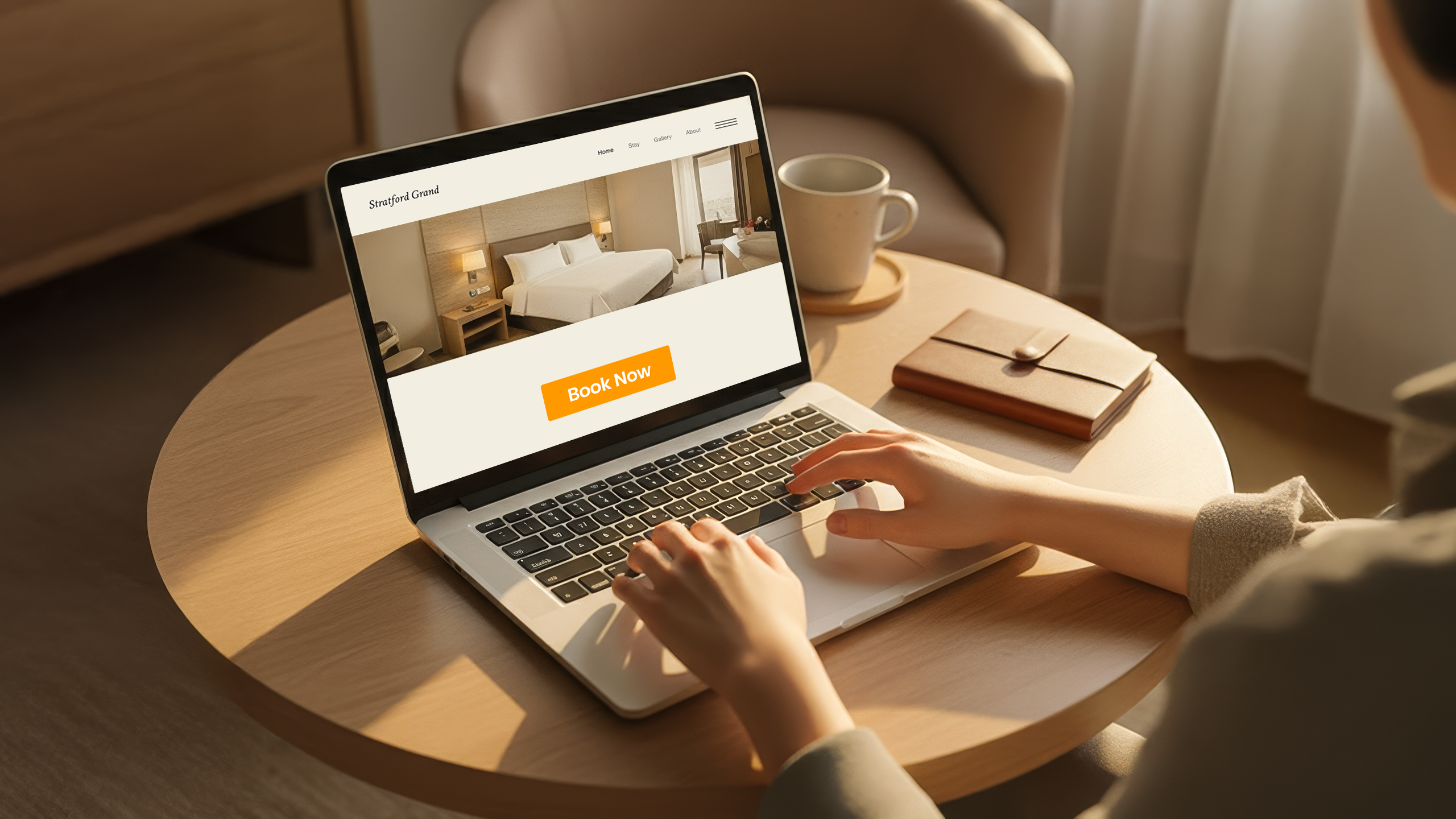
Illustrative example. The following composite case study reflects the kind of structured, multi-channel strategy ThisRapt builds for independent hotels – combining tactics and results patterns we see across engagements, presented here as a single illustrative property rather than one named client.
Hotel Villa Baviera, a 32-room independent property in a well-known UK leisure destination, had strong fundamentals – a prime location, renovated rooms, warm service – but was stuck below 50% occupancy. The problem wasn’t the product. It was that marketing was fragmented: occasional social posts, unoptimised paid ads, a website that hadn’t been touched in years, and almost total reliance on OTA visibility for discovery. Over an 8-month engagement, a structured, data-driven strategy shifted that picture significantly – a pattern we’ve seen repeated across several similar independent properties.
1. The starting point: Visibility, not product, was the problem
Occupancy sat around 50%, direct bookings were minimal, and midweek stays – the hardest occupancy gap for boutique hotels to close – were especially weak. The hotel had no structured marketing plan, just isolated efforts with no shared strategy or measurement behind them.
| Your complete guide to how a structured hotel growth and marketing strategy led to a 25% occupancy increase: |
|
2. The strategy: Five coordinated workstreams
Social Media Rebuild
Instagram, Facebook, and LinkedIn presence was rebuilt around guest testimonials, behind-the-scenes content, and local-area storytelling – consistent branding and genuine user-generated content in place of sporadic posting.
Segmented Paid Advertising
Google Ads and Meta campaigns were rebuilt around three specific audiences – families, business travellers, and couples – each with tailored creative and geo-targeting, replacing a single broad campaign that had been serving generic ads to everyone.
Website and Booking Funnel Overhaul
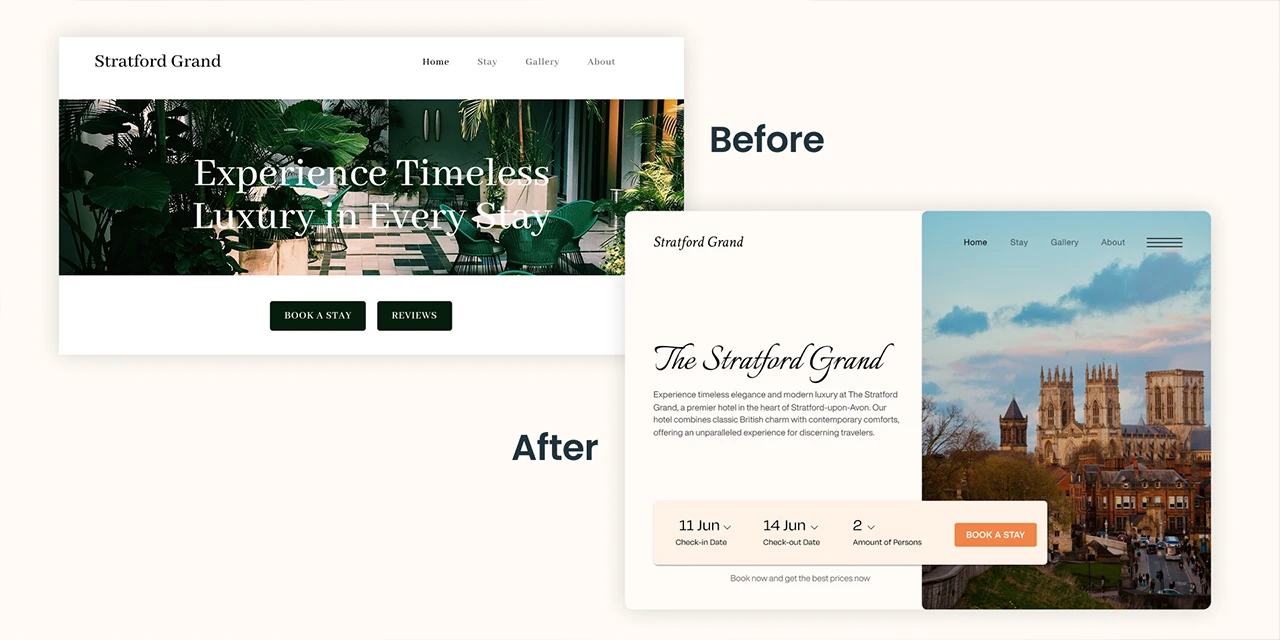
A full mobile-first rebuild addressed slow load times, unclear CTAs, and a booking flow that previously required too many steps. SEO fundamentals (keyword-optimised content, meta descriptions, HTTPS, page speed) were implemented alongside the redesign.
B2B and Corporate Outreach
Rather than relying solely on leisure demand, the hotel built direct outreach to local businesses for corporate rates and meeting-space bookings – directly targeting the midweek gap leisure marketing alone couldn’t close.
Lifecycle Email Marketing
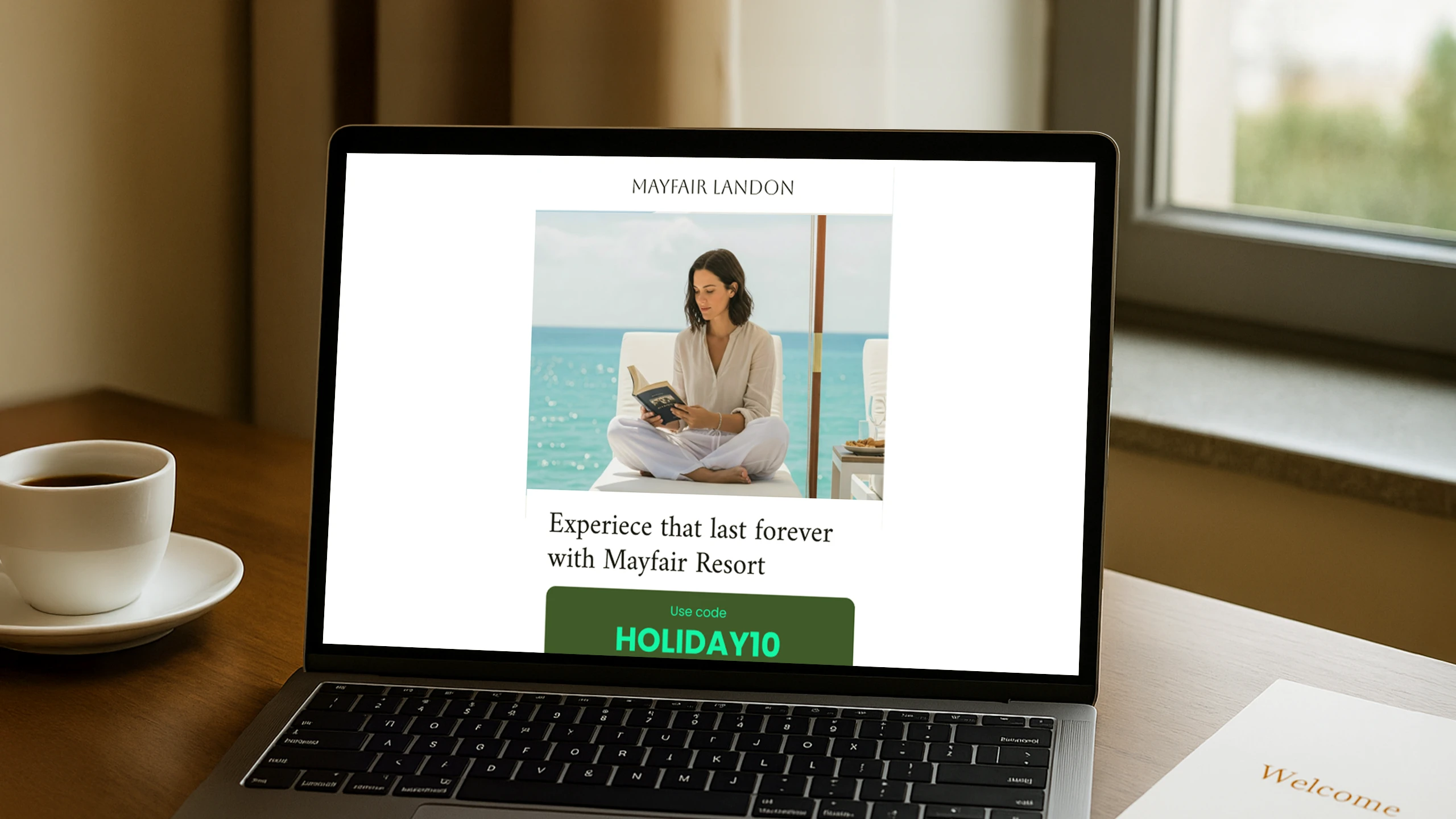
Segmented sequences – abandoned booking recovery, past-guest loyalty offers, and seasonal campaigns – replaced one-off generic newsletters, giving the hotel a repeatable channel for both new and returning guest revenue.
3. How a B2B marketing strategy increased hotel occupancy rate
Most hoteliers focus solely on B2C efforts, but a B2B marketing strategy can be incredibly effective for a hotel. Business travel remains a consistent source of revenue, especially during weekdays when leisure travel slows down.
– Corporate partnerships
The hotel growth agency initiated outreach to local and regional businesses, offering special corporate rates, early check-ins, and exclusive perks. These corporate partnerships provided companies with reliable lodging options for employees and generated consistent weekday bookings for the hotel.
This is a prime example of how a B2B marketing strategy tailored to the hotel sector can create long-term value and reduce dependency on seasonal tourists.
– Meetings and Events
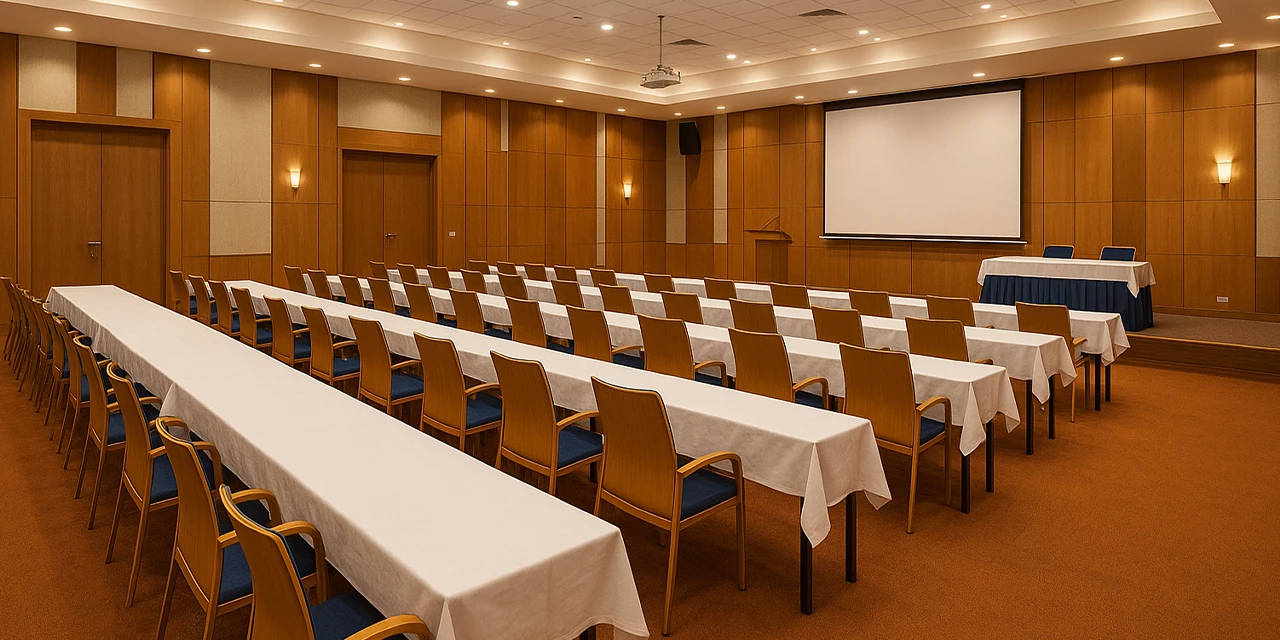
Hotels with suitable amenities often overlook their potential as event venues. The agency began promoting Villa Baviera’s conference rooms and meeting spaces for:
- Corporate retreats
- Networking events
- Product launches
Marketing materials highlighted these offerings on LinkedIn and industry-specific platforms, using keywords like “business-friendly hotel” and “corporate event venue.” This added a new revenue stream while strengthening business visibility.
– Loyalty programs for business travelers
To incentivise repeat visits, the agency launched a loyalty programme offering:
- Room upgrades
- Priority booking during peak seasons
- Special offers after multiple stays
This initiative turned first-time business guests into brand advocates, helping boost midweek occupancy, a major challenge for many boutique hotels.
4. Guest experience as a revenue growth lever
Marketing doesn’t end with getting guests through the door. It’s what happens during the stay that determines whether they’ll come back or recommend the hotel. That’s why the agency placed strong emphasis on improving service delivery.
– Training hotel staff
The agency organised service excellence workshops that covered:
- Greet guests with warmth
- Handling complaints empathetically
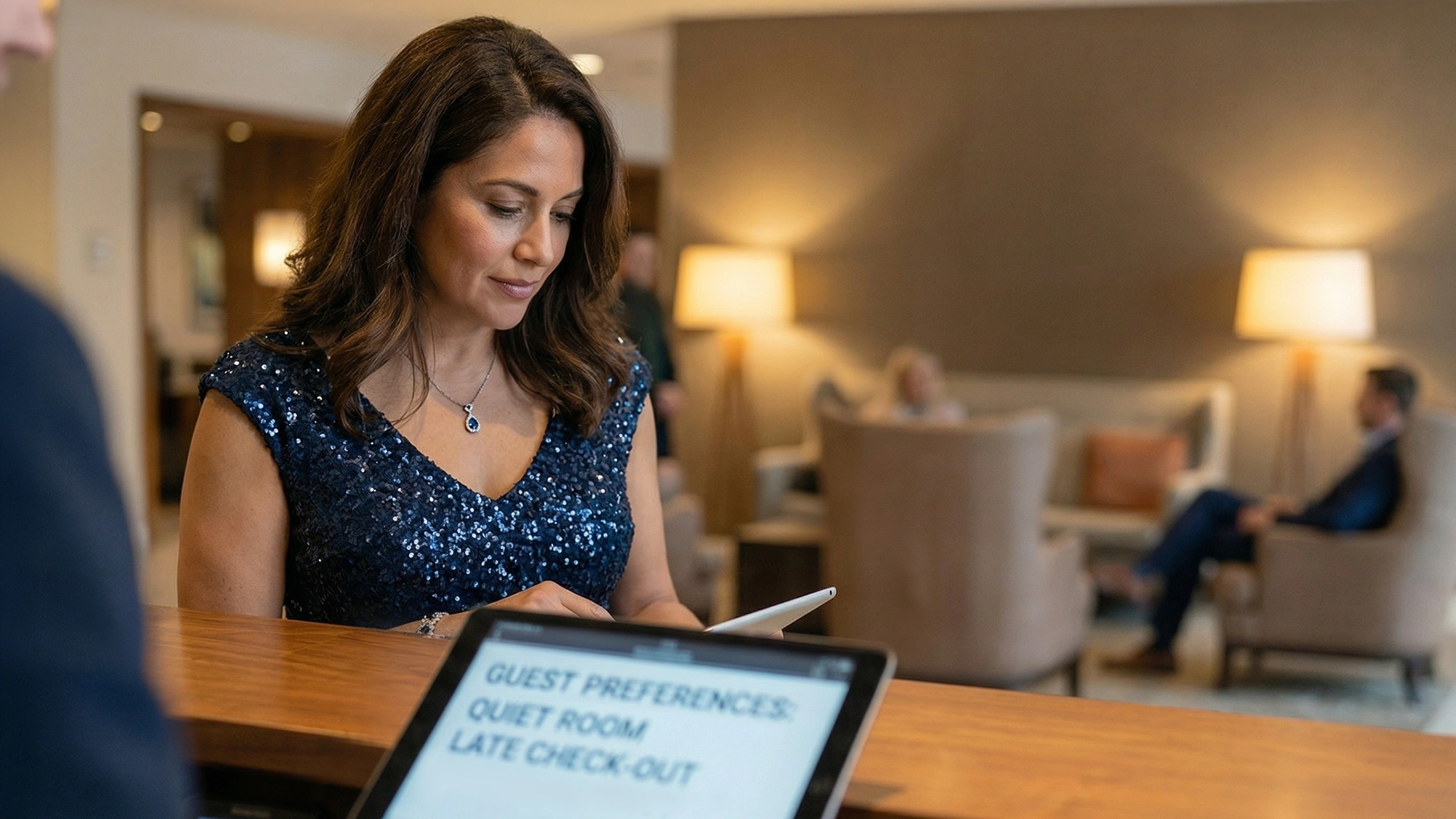
- Personalising services based on guest profiles
- Greet guests with warmth
Improved guest interactions translated directly into better reviews and higher Net Promoter Scores (NPS), which further fueled online bookings.
– Personalised guest experiences
Small details made a big impact:
- Welcome notes with guest names
- Customisable pillow menus
- Complimentary snacks based on dietary preferences
- Welcome notes with guest names
These touches not only created emotional connections but also increased the likelihood of glowing reviews and organic promotion.
5. Data-driven hotel growth strategy
In modern hotel marketing plans, data is power. The agency didn’t stop at execution; they used data analytics to increase the hotel occupancy rate, measuring every campaign and touchpoint to understand what worked best.
– Website Analytics
Google Analytics was used to assess:
- Bounce rates
- Conversion paths
- Popular room types
- Bounce rates
This helped in refining page content, navigation, and calls-to-action.
– Guest feedback
The hotel leveraged online surveys and review analysis to find out what guests loved and what needed improvement. This informed operational decisions, helping prioritise renovations or amenity upgrades.
– Booking pattern analysis
Patterns such as advance booking windows, preferred stay durations, and peak travel dates allowed the hotel to:
- Adjust pricing dynamically
- Launch targeted campaigns
- Optimise room availability
6. Key results and learnings
- 25% increase in overall occupancy
- Improved midweek bookings through B2B channels
- Higher direct booking share
- Stronger brand visibility and guest loyalty
7. Hotel marketing case study results breakdown
| Metric | Before (Problem) | Strategy Implemented | After (Result) |
|---|---|---|---|
| Occupancy Rate | Around 50% | Full hotel growth strategy combining SEO, paid ads, social media, B2B outreach, and website optimisation | 25% increase in occupancy |
| Direct Bookings | Low, with heavy OTA dependence | SEO-driven website optimisation, faster load times, mobile responsiveness, and stronger booking CTAs | Significant increase in direct bookings |
| Midweek Bookings | Weak and inconsistent | B2B partnerships, corporate rates, meetings and events promotion, and loyalty offers for business travellers | More stable weekday occupancy |
| Website Conversion Rate | Poor user experience and booking friction | Mobile-first redesign, simplified navigation, integrated booking engine, and conversion-focused CTAs | Improved conversions and reduced bounce rate |
| Brand Visibility | Limited reach and weak digital presence | Social media content, influencer partnerships, audience targeting, and consistent brand storytelling | Stronger awareness and better engagement |
| ROI on Ads | Low efficiency and broad targeting | Segmented Google Ads and Meta campaigns based on families, couples, and business travellers | Higher ROI and improved campaign efficiency |
8. Actionable checklist for hoteliers to implement
- Build a structured hotel marketing plan, not isolated campaigns
- Optimise your website for SEO and conversions
- Invest in website performance before increasing ad spend
- Use B2B marketing strategies to stabilise weekday occupancy
- Use influencer marketing for your hotel strategically
- Focus on guest experience as a growth lever, not just a service metric
- Let data guide pricing, promotions, and content decisions
To implement similar strategies, explore our SEO services and hospitality marketing solutions designed to drive direct bookings and revenue growth.
9. Conclusion: Turning strategy into sustained success
The transformation of Hotel Villa Baviera showcases how a structured hotel marketing plan, aligned with modern tools and tactics, can drastically increase the occupancy rate in hotel businesses, even those struggling with visibility and conversions.
From B2B marketing strategy integrations to creative marketing strategies for small businesses, this case demonstrates how tailored execution and a guest-first mindset can drive sustainable results. For hotels aiming to break past stagnation, this roadmap provides a replicable path to long-term success.
Key takeaways
- A comprehensive hotel marketing plan combining digital and traditional strategies is essential for increasing occupancy rates.
- B2B marketing strategies provide consistent revenue streams through corporate partnerships and event bookings.
- Mobile optimisation and SEO are non-negotiable in today’s digital landscape.
- Data analytics enable continuous improvement and strategic decision-making.
- Guest experience and service quality directly impact online reviews and repeat bookings.
Want to replicate this success for your hotel?
Whether you're a boutique hotel or a mid-size hospitality business, our team at ThisRapt specialises in crafting B2B marketing strategies, performance-driven campaigns, and personalised guest experiences that elevate your brand. Let's build a hotel marketing plan that delivers results.
10. FAQs
A combination of a rebuilt, SEO-optimised website, segmented paid advertising, and B2B/corporate outreach for midweek gaps consistently delivers the strongest, most durable results — more than any single channel alone.
Yes – corporate rates and meeting-space promotion are particularly effective for closing the midweek occupancy gap that leisure-focused marketing alone typically can’t solve.
Initial improvements are typically visible within 3–4 months, with fuller, more sustainable gains building over 6–12 months as SEO, content, and lifecycle campaigns compound.
By leaning into personalised guest experience, hyperlocal storytelling, and direct B2B outreach — advantages that are harder for large chains to replicate at a single-property level.
Yes, with one important addition: alongside traditional SEO and paid channels, website content increasingly needs to be structured for AI-driven discovery (schema markup, direct-answer formatting) so it’s citable in AI Overviews and tools like ChatGPT, not just traditional search results.