Most hotels collect large amounts of guest data, but very few use it in a meaningful way. Booking details, preferences, and past behaviour are often stored but not applied to marketing. As a result, many hotels still send generic messages that fail to connect with guests or drive action. This leads to missed revenue and low engagement.
| Unlock the full blueprint of guest data personalisation for hotels. Inside, you'll discover: |
Guest data personalisation for hotels helps change this. It allows you to turn everyday data into targeted, relevant communication that matches what each guest actually wants. When used correctly, it improves guest experience, increases direct bookings, and builds long-term loyalty.
For UK hotels, this is especially important. Guests have many options and often compare multiple properties before booking. A generic message is easy to ignore, but a relevant one can influence decisions quickly. This guide explains how to use guest data in a practical way, so your marketing feels useful and drives real results.
What guest data should you be collecting?
Before you start personalising your marketing, you need the right data. Not all data is useful. UK hotels should focus on information that helps them understand guest behaviour, intent, and value.
Booking History
Booking history shows how often a guest stays, when they travel, and what they book.
This helps UK hotels identify clear patterns. For example, a guest who books every summer is likely planning an annual holiday. A guest who stays midweek throughout the year may be a business traveller.
You can use this insight to send timely offers. If a guest usually books in June, you can send a reminder or early offer in May. This simple step can improve conversions without increasing marketing spend.
Guest Preferences
Preferences include room type, bedding choice, dietary needs, and service requests.
These details help UK hotels create more personalised hotel marketing. A guest who has booked spa services before may respond to wellness packages. A family guest may prefer larger rooms or nearby activity suggestions.
Even small details can improve relevance. For example, offering a quiet room to a guest who requested it previously shows attention to detail.
Stay Frequency
Stay frequency shows how often a guest returns.
Frequent guests are highly valuable for UK hospitality businesses. They already trust your hotel and are more likely to book again.
You can reward them with exclusive offers, early access to deals, or loyalty incentives. At the same time, guests who have not returned in several months may need a re-engagement message to bring them back.
Food and Beverage Spend
Food and beverage data is often underused. It shows how much guests spend on dining, drinks, or room service.
This is useful for guest data marketing. A guest who regularly dines at your restaurant may respond to dining packages or seasonal menus. A guest who does not use these services may prefer local experience suggestions instead.
This helps you avoid sending irrelevant offers and improves response rates.
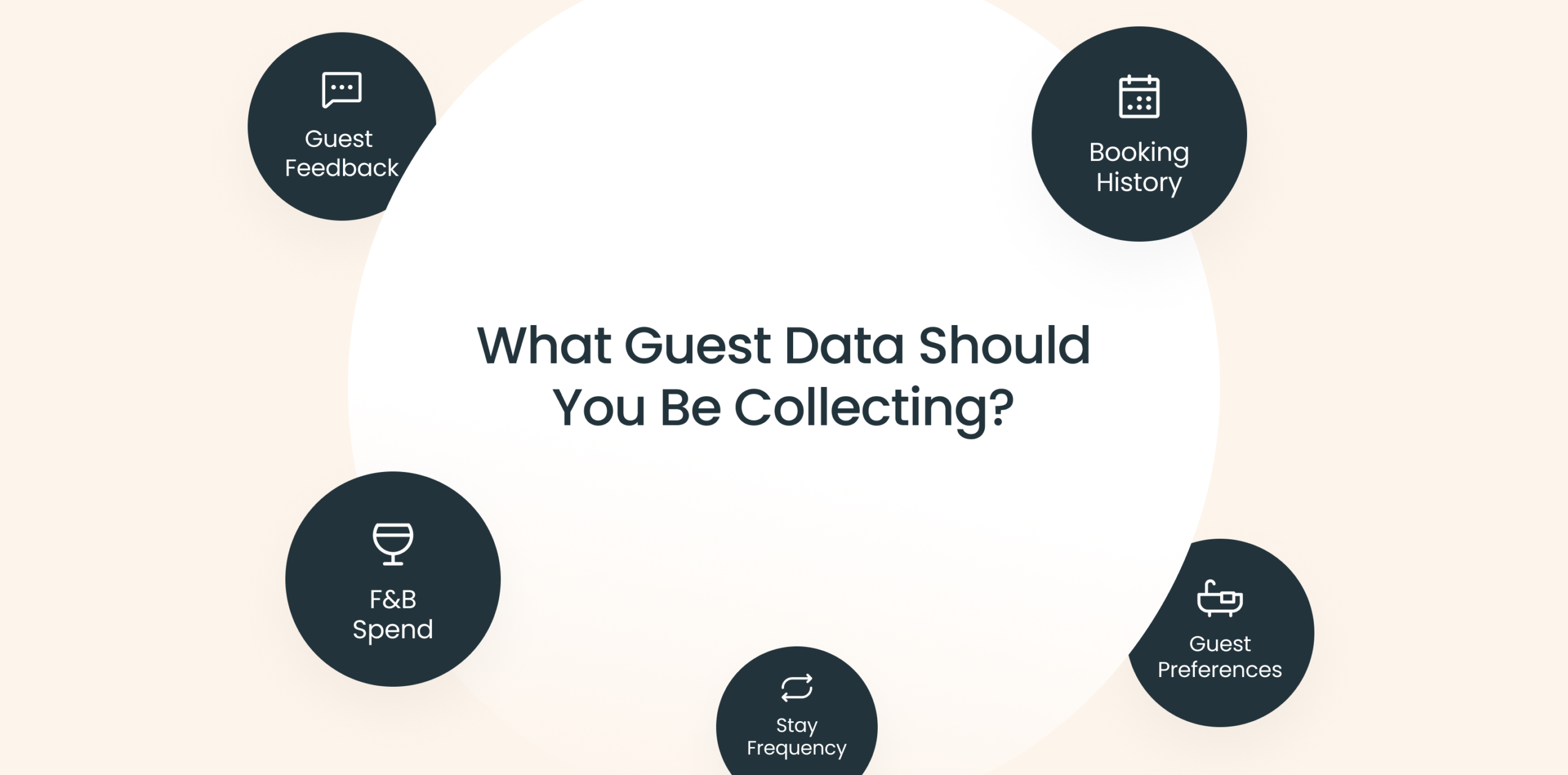
Post-Stay Feedback
Feedback includes surveys, reviews, and guest comments.
This helps UK hotels understand satisfaction levels. A guest who had a positive stay may be ready for a repeat booking offer. A guest who faced issues may need a more careful approach.
Feedback also helps you refine your marketing. If guests often mention a specific feature, such as location or service, you can highlight it in future campaigns.
Collecting these data points creates a strong foundation for guest data personalisation for hotels. Without this, personalisation becomes guesswork.
Segment your guests, don’t blast everyone
Sending one message to all guests may seem efficient, but it rarely works. Guests in the UK hospitality market have different needs, budgets, and travel purposes.
Hotel customer segmentation helps UK hotels group guests based on behaviour. This allows you to send targeted and meaningful communication.
First-Time Guests
First-time guests are still learning about your hotel. They need clear and useful information.
You can send a welcome email with details about your property, local UK attractions, and tips for their stay. This helps build trust and reduces uncertainty.
Loyal Guests
Loyal guests already know your hotel and return because they trust your service.
You should reward them with exclusive offers, personalised deals, or early access to promotions. This strengthens long-term relationships and encourages repeat bookings.
Business Travellers
Business travellers in the UK focus on efficiency. They value fast check-in, reliable Wi-Fi, and convenient services.
Your messages should highlight these benefits. Avoid sending leisure-focused campaigns that do not match their needs.
Leisure Guests
Leisure guests are looking for comfort, relaxation, or experiences.
You can send offers for weekend stays, seasonal packages, and nearby attractions. These guests respond well to ideas that help them plan their stay.
High-Value Guests
Some guests spend more on rooms, dining, and services.
UK hotels should give this segment special attention. Personalised offers, upgrades, and exclusive packages can help retain these guests and increase lifetime value.
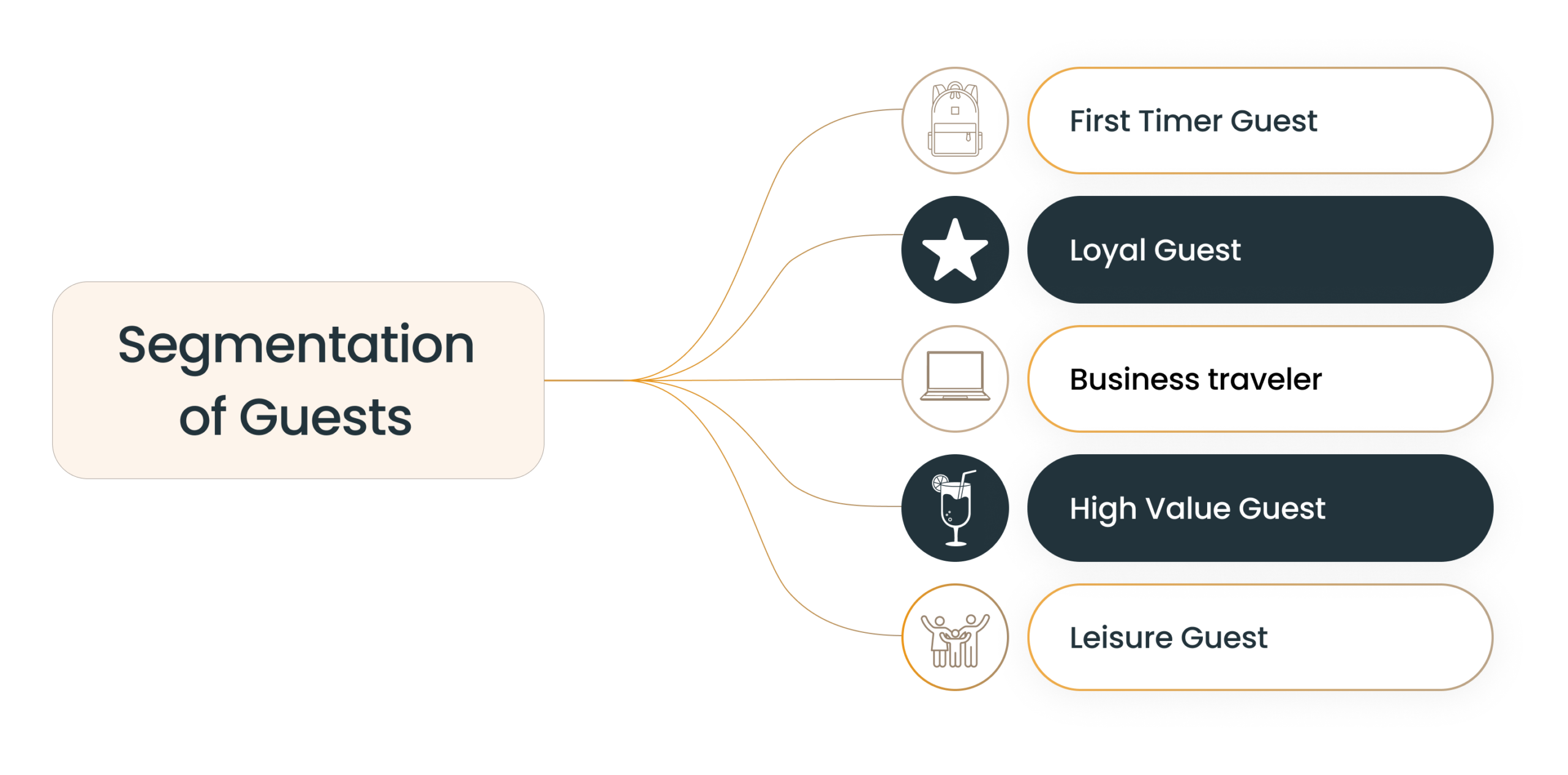
Segmentation is essential for personalised hotel marketing. It ensures that every message is relevant and purposeful.
Personalise across every touchpoint
Personalisation should be applied across the full guest journey, not just in one campaign. This is where hospitality email marketing becomes more effective.
Pre-Arrival Emails
Pre-arrival emails are one of the best opportunities for UK hotels to engage guests.
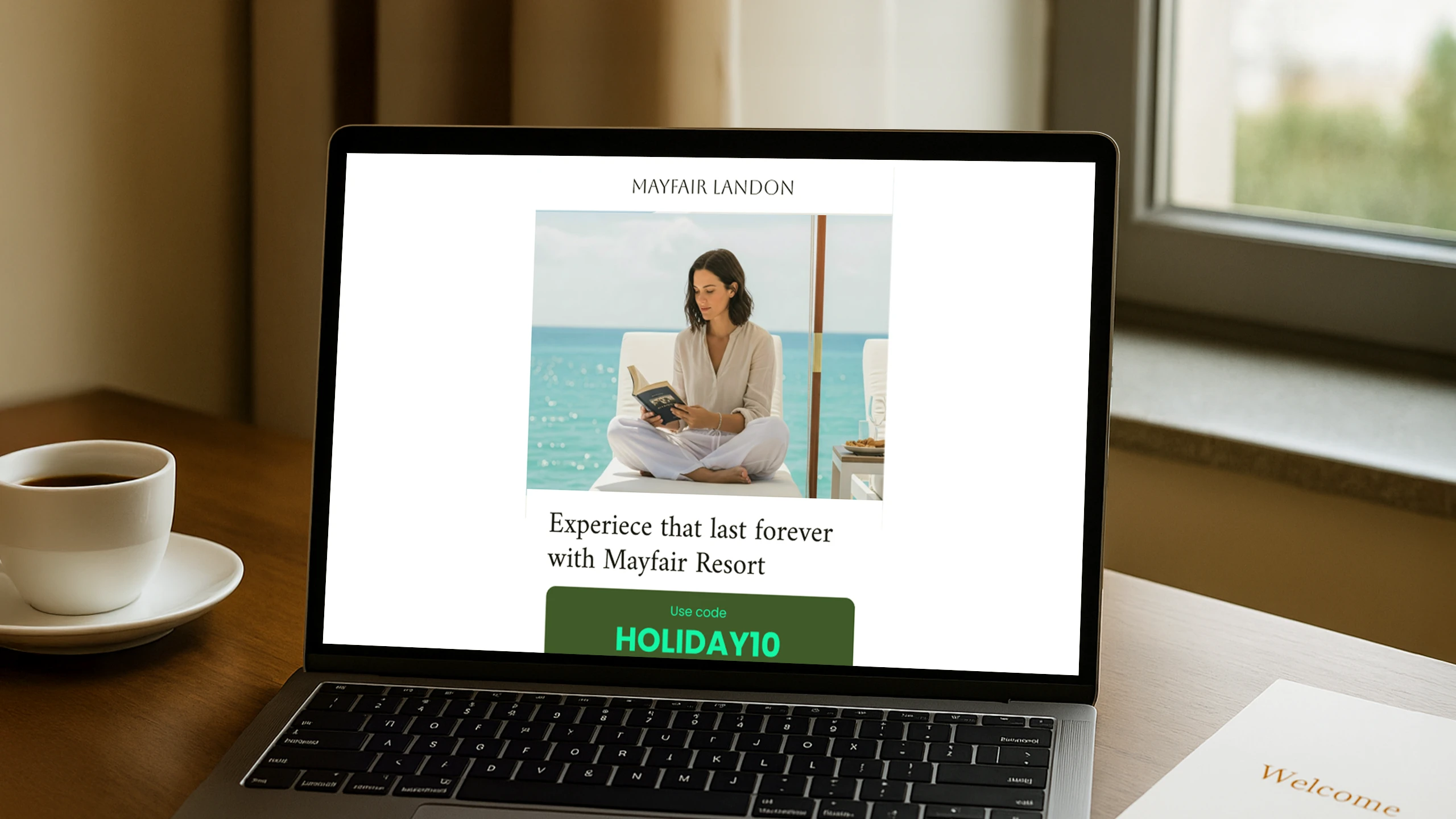
You can confirm booking details, share useful information, and promote upgrades.
For example, a guest who booked a standard room can receive an upgrade offer. A family can receive suggestions for local attractions. A business guest can receive details about check-in and services.
These emails help guests plan their stay and increase early spending.
For more ideas, you can read ThisRapt’s guide on hotel email marketing to improve your pre-arrival campaigns.
In-Stay Offers
During the stay, communication should focus on improving the guest experience.
You can promote dining options, spa services, or late check-out.
Relevance is important. A guest who has used the restaurant before may respond to dining offers. A guest who prefers quiet may not engage with frequent promotions.
Keep messages simple and well-timed. This helps maintain a positive experience.
Post-Stay Follow-Ups
After checkout, you should continue the conversation.
You can thank guests, request feedback, and encourage reviews. This also helps build trust with future guests.
You can also send offers based on their previous stay. For example, a guest who visited during winter may respond to a similar offer the following year.
Re-Engagement Campaigns
Not all guests return quickly. This is normal.
You can use guest data marketing to bring them back. Identify guests who have not stayed for a while and send targeted offers.
For example, a spa guest may respond to a wellness package, while a family may respond to a school holiday deal.
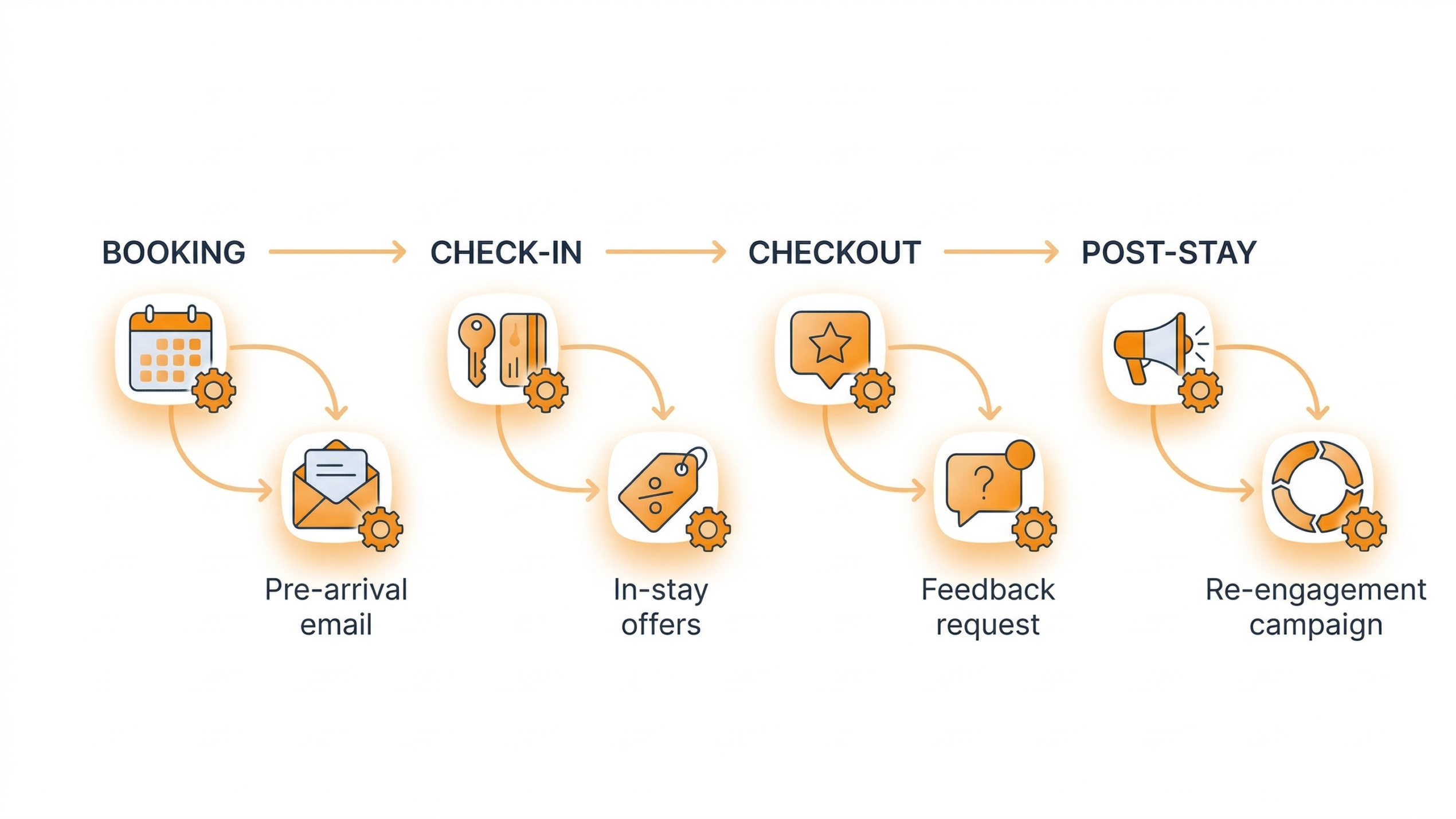
Personalisation across these touchpoints improves both engagement and revenue.
Automate it so it actually happens
Manual personalisation is difficult to maintain. It requires time, effort, and coordination. For many UK hotels, this is not practical.
Hotel marketing automation makes personalisation scalable. It allows you to create workflows that run automatically based on guest behaviour.
For example:
- A booking triggers a pre-arrival email
- A completed stay triggers a feedback request
- A long gap triggers a re-engagement campaign
These workflows ensure that every guest receives timely communication.
This is where ThisRapt’s Marketing Automation service becomes valuable. It helps UK hotels set up automated campaigns that use guest data effectively and consistently.
You can explore ThisRapt’s Marketing Automation service to understand how automation can support your marketing strategy.
Automation also improves accuracy. It reduces errors and ensures that the right message is sent at the right time.
For UK hotels that want to grow without increasing workload, hotel marketing automation is essential.
Why this matters for UK hoteliers
The UK hospitality market is highly competitive. Guests compare options across multiple platforms before booking.
Personalised hotel marketing helps UK hotels stand out. It shows guests that you understand their needs and value their preferences.
It also builds stronger relationships. Guests are more likely to return when communication feels relevant and thoughtful.
Guest data personalisation for hotels also supports direct bookings. When guests trust your brand, they are more likely to book directly instead of using third-party platforms.
This helps improve revenue and reduces reliance on external channels.
Conclusion
Guest data is one of the most valuable assets for UK hotels, but it only delivers results when used properly.
Start by collecting the right data. Use hotel customer segmentation to group your audience. Personalise your communication across each stage of the guest journey. Then use hotel marketing automation to make the process simple and consistent.
Personalisation is no longer optional in the UK hospitality market. Guests expect relevant communication and better experiences.
Ready to turn your guest data into real results? Let’s begin!
FAQs (Frequently Asked Questions)
Q1: What is guest data personalisation for hotels?
Guest data personalisation for hotels means using guest data marketing insights like booking history, preferences, and behaviour to create personalised hotel marketing messages that improve relevance, guest experience, and direct bookings.
Q2: Why is segmentation important in hotel marketing?
Hotel customer segmentation helps UK hotels group guests based on behaviour and needs. This improves personalised hotel marketing, increases engagement, and drives more direct bookings.
Q3: Can small hotels use hotel marketing automation?
Yes, small UK hotels can use hotel marketing automation to manage campaigns, save time, and run personalised hotel marketing. It helps deliver consistent communication without requiring large teams.
Q4: What data should hotels focus on first?
Hotels should focus on booking history, preferences, stay frequency, F&B spend, and feedback. These are key for guest data personalisation for hotels and effective guest data marketing.
Q5: How can ThisRapt help hotels improve marketing?
ThisRapt helps UK hotels use guest data personalisation for hotels through hotel marketing automation tools that improve targeting, streamline campaigns, and support personalised hotel marketing that drives results.