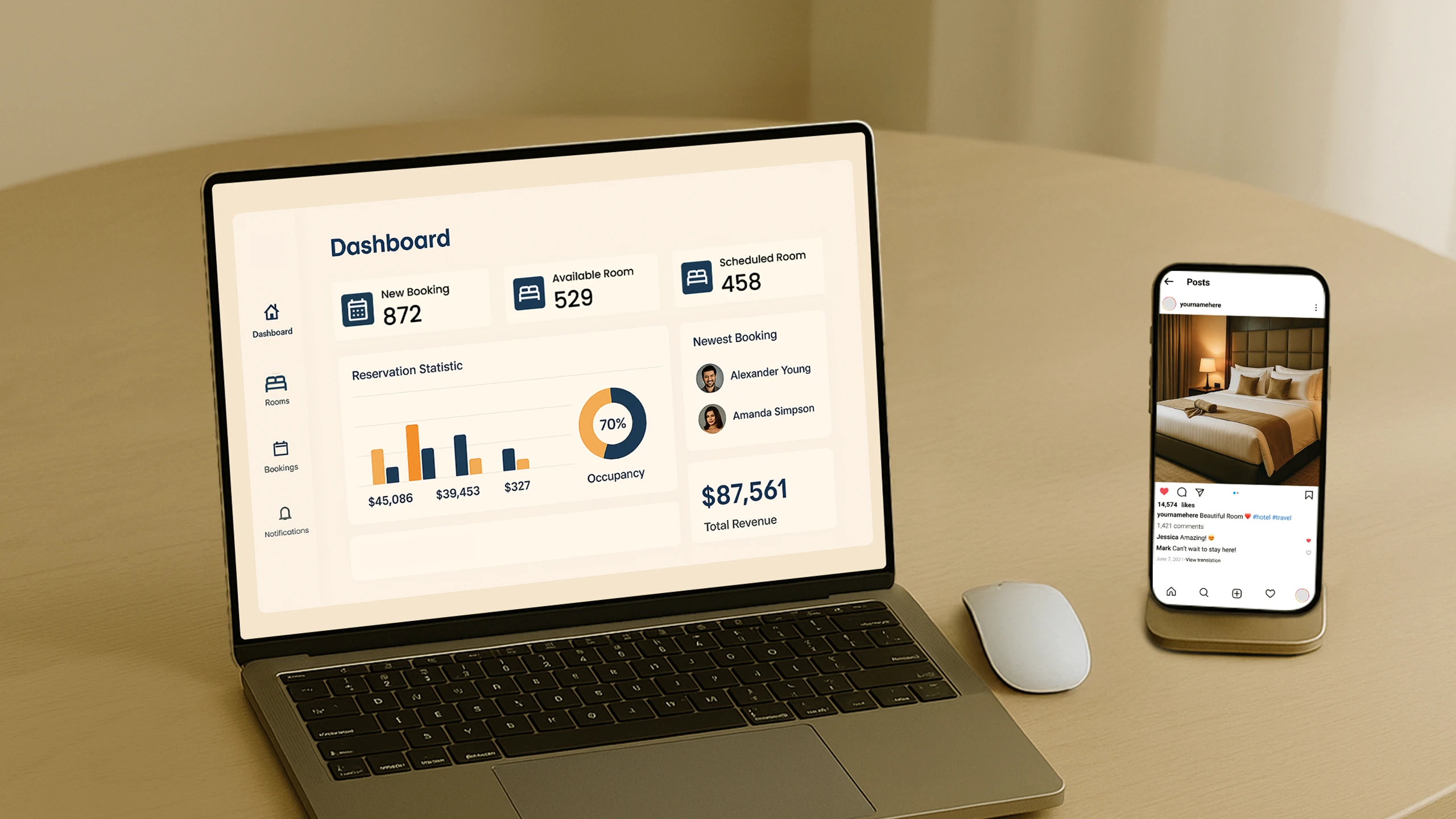
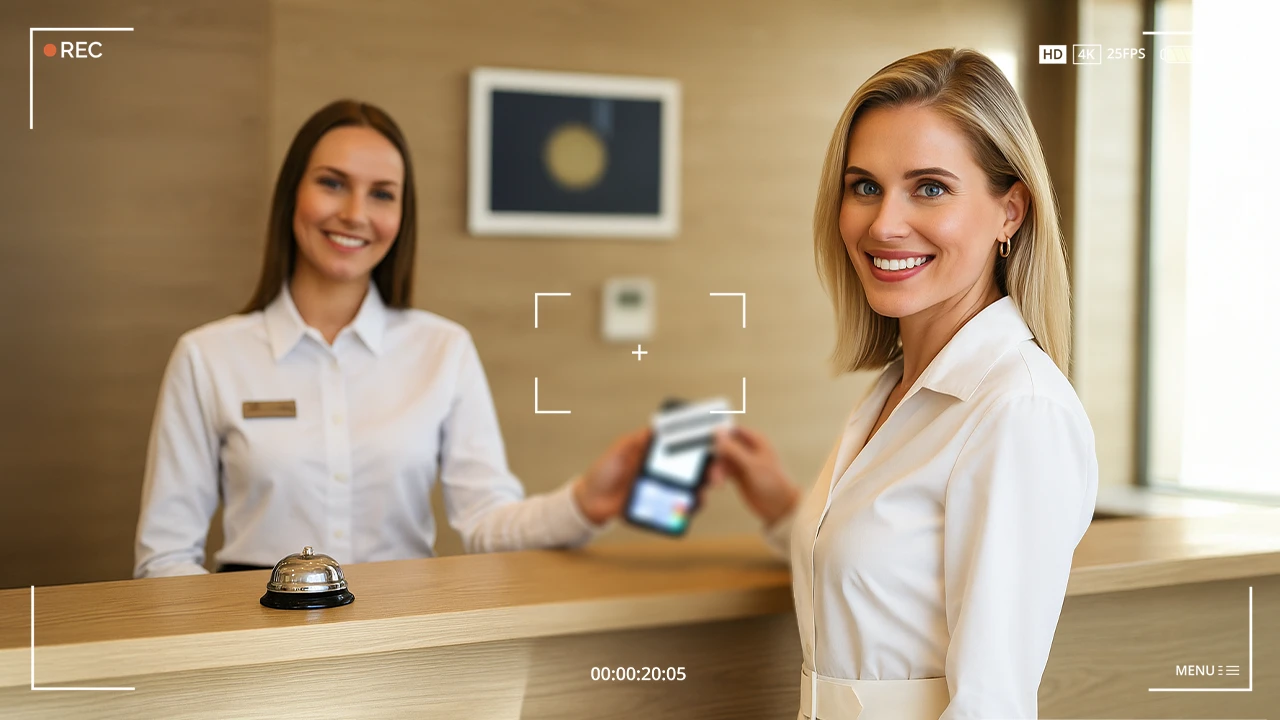
In the competitive hospitality industry, your website is often the first impression guests have of your brand. Whether it’s a luxury hotel, boutique resort, or a charming restaurant, the way your website looks and functions plays a massive role in influencing guest decisions. It’s no longer enough to simply have a website; you need one that captures the essence of your brand, provides a seamless experience, and drives bookings effectively.
This is where the latest web design trends come into play. By incorporating modern design elements and best practices specifically tailored for hospitality, you can create a digital experience that delights visitors, reflects your brand’s luxury and comfort, and ultimately boosts your revenue.
| Unlock the full blueprint of web design trends for hospitality brands in 2026. Inside, you'll discover: |
|
Visual storytelling & photography trends: Bring your hospitality brand to life
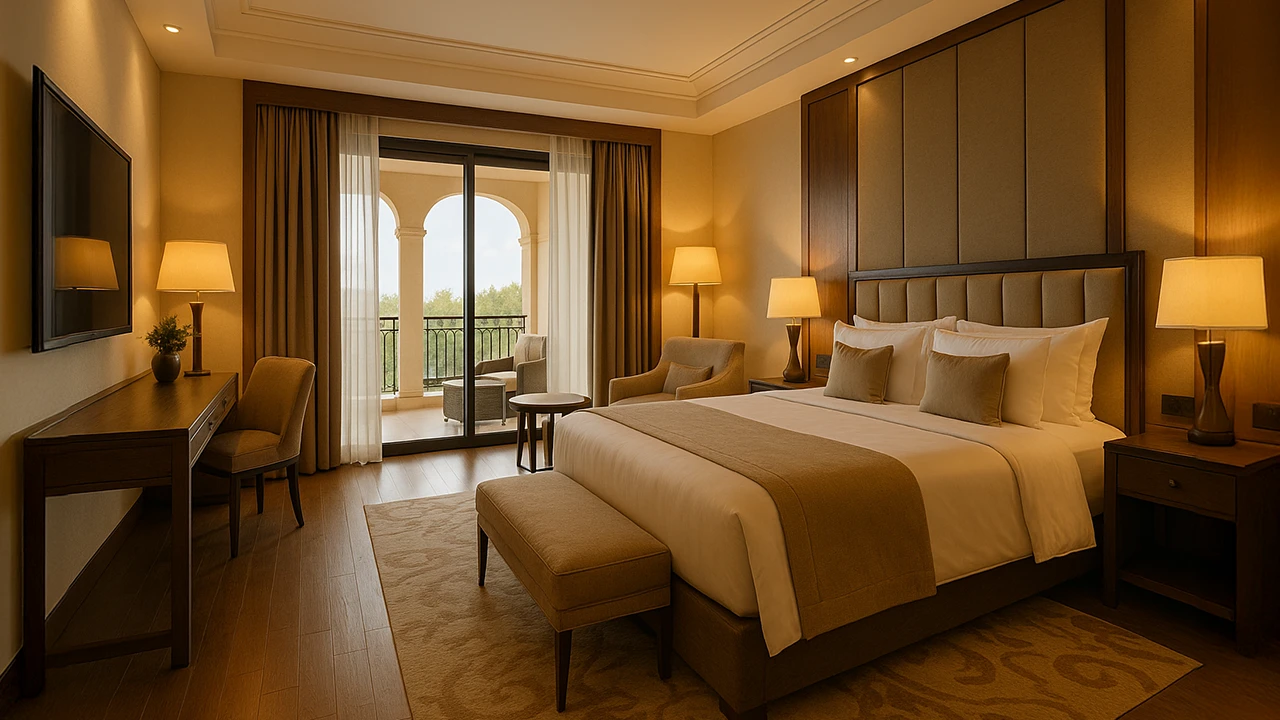
When it comes to hospitality, visuals are everything. Your website needs to do more than just show rooms and menus; it should tell a story that invites visitors to imagine their experience with you.
According to a study by HospitalityNet, properties showcasing over 20 high-quality photos per room can see up to a 136% increase in bookings. This highlights why investing in authentic photography and compelling visuals is a crucial web design trend for hospitality brands.
Why visual storytelling is a game-changer
Visual storytelling combines images, videos, and design elements to communicate your brand’s story and values emotionally. For hospitality brands, this means showcasing the ambiance, comfort, and unique experiences your property offers.
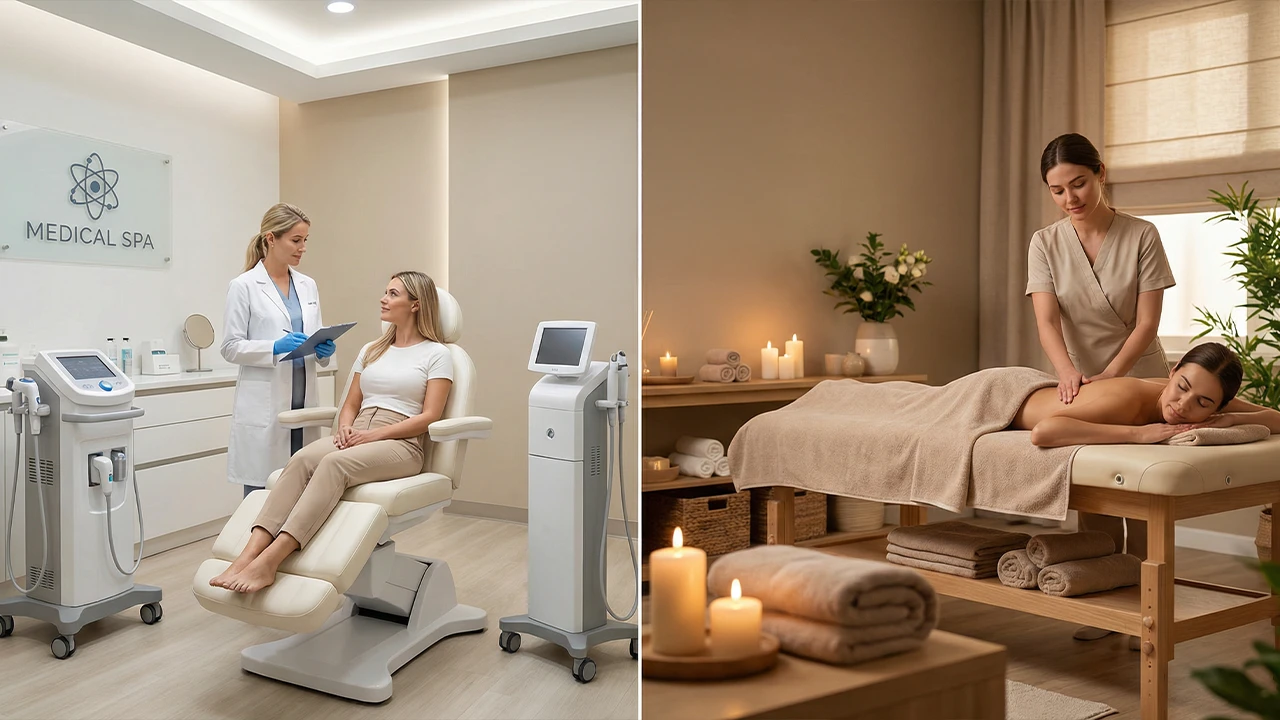
For example, a luxury resort can use breathtaking sunset photos over the beach or guests enjoying spa treatments to evoke feelings of relaxation and indulgence. A boutique hotel might highlight personalized service and local culture through intimate, authentic imagery of staff and surroundings.
This emotional connection is key because travel decisions are often driven by how a potential guest feels, not just by price or location.
Trends in hospitality visuals to watch
- Authentic, Candid Photography: Instead of overly staged photos, travelers today prefer genuine images that show real guests enjoying your property. This authenticity builds trust and relatability.
- Video Backgrounds & Cinemagraphs: These subtle, moving visuals, like a gently waving flag or flickering candlelight, grab attention without overwhelming visitors.
- Drone Shots & Aerial Views: Offering unique perspectives of your property and surroundings, drone photography highlights scale and setting in a way ground shots can’t.
- 360-Degree Virtual Tours: These interactive tours allow visitors to explore rooms, lobbies, and amenities virtually, creating transparency and boosting confidence to book.
These are essential elements to include when aiming for the best web design for hotels and other hospitality businesses.
Mobile-first design for travel bookings: Meeting guests where they are
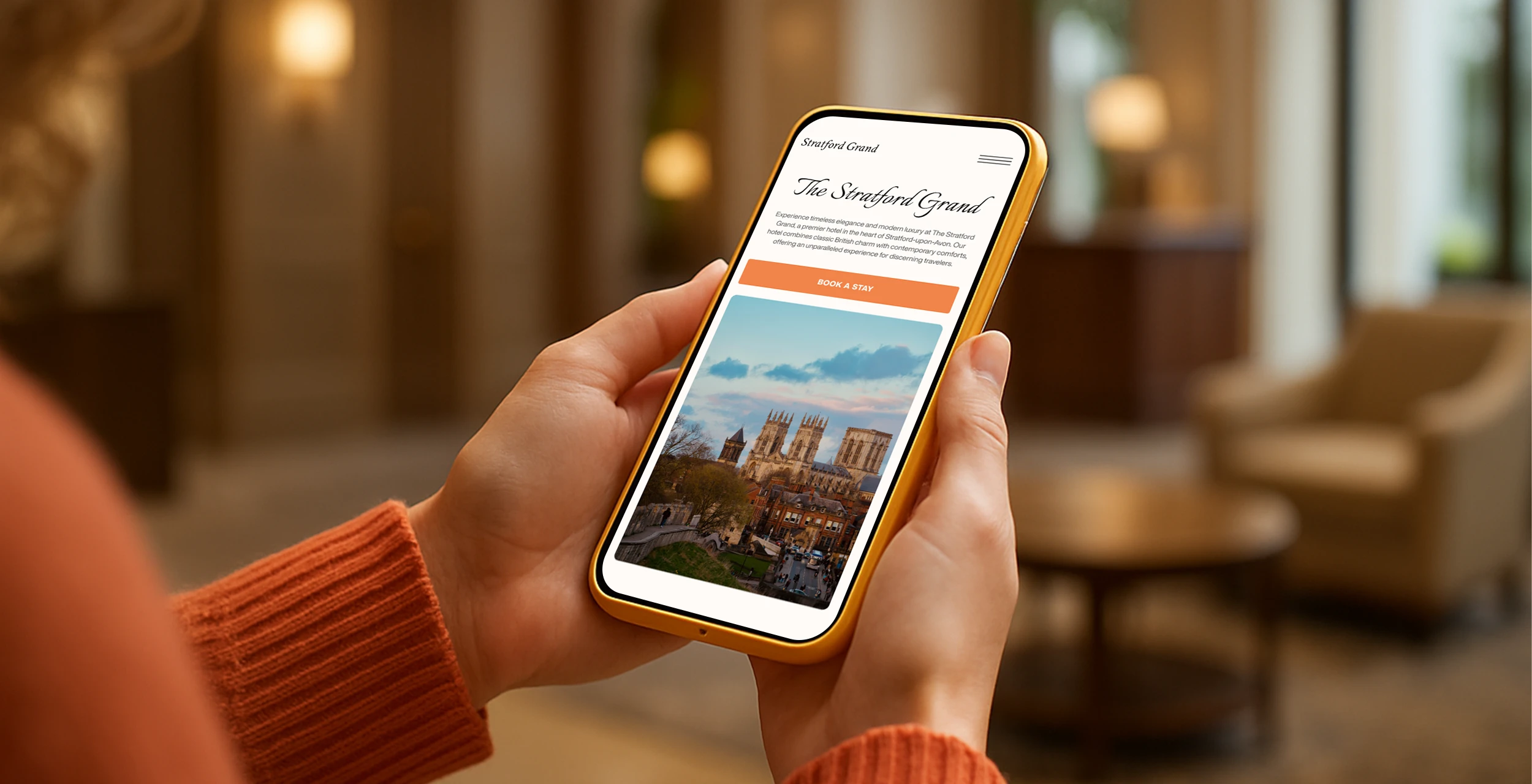
Today, the majority of travel planning and booking happens on smartphones and tablets. It’s no surprise then that mobile-first design has become a non-negotiable element in web design for hospitality.
What does mobile-first mean?
Mobile-first design means the website is designed primarily for mobile devices, then scaled up for larger screens. This ensures that the experience is smooth, fast, and easy on any device, but especially optimized for mobile.
Why mobile-first is crucial for hospitality
- Traveler Behavior: According to Google, over 60% of hotel bookings now happen on mobile. If your website is slow or difficult to navigate on mobile, you’re losing a massive chunk of potential guests.
- SEO Benefits: Google prioritizes mobile-friendly sites in search rankings, which means better visibility and more organic traffic.
- User Experience: Mobile-first websites feature larger buttons, simplified navigation, and quicker load times, all essential for on-the-go users.
Features of effective mobile-first hospitality websites
- Streamlined, thumb-friendly menus
- Fast-loading images optimized for mobile
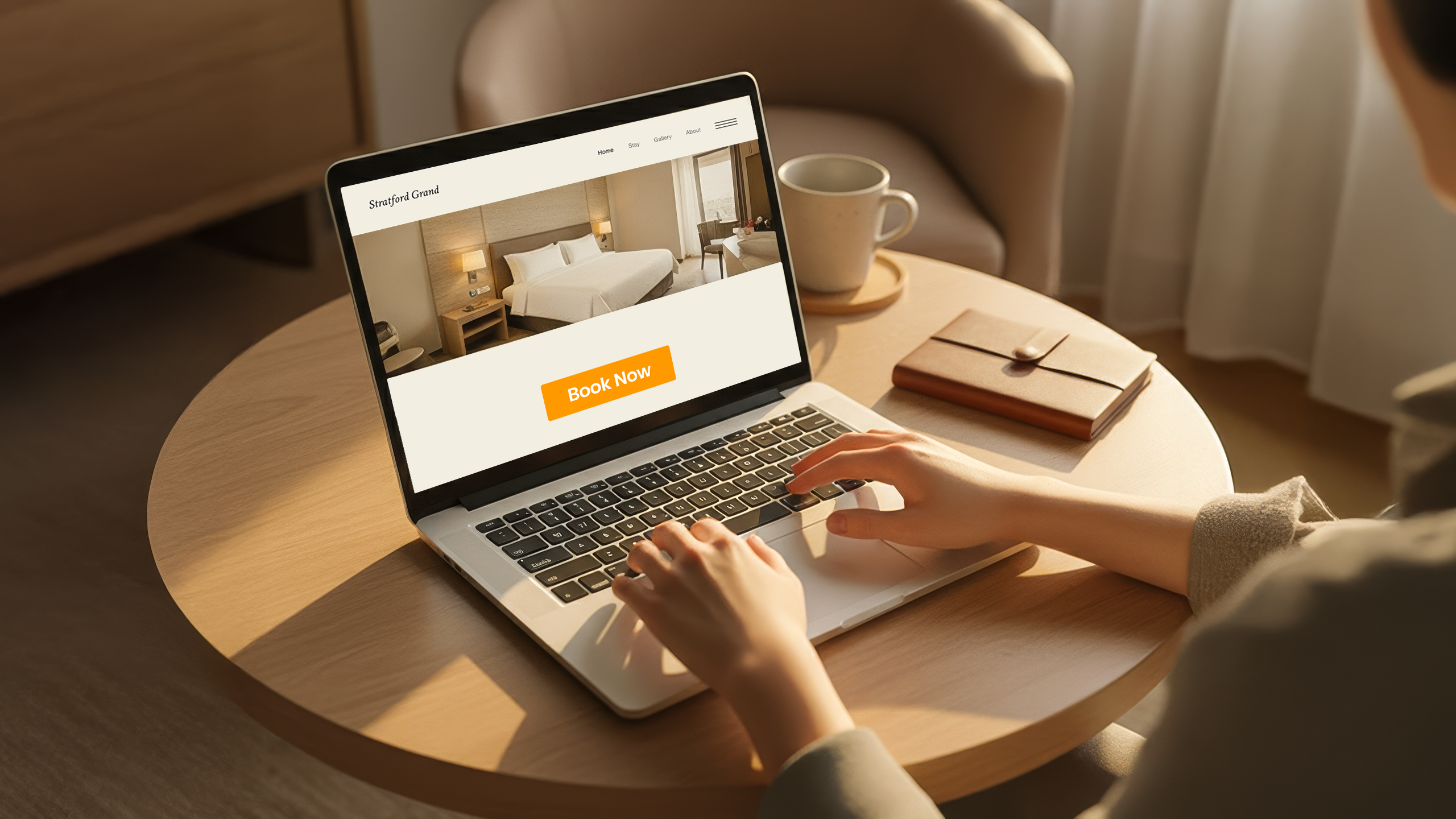
- Clear, tap-friendly calls to action like “Book Now”
- Easy-to-use booking forms with autofill and minimal steps
- Payment integrations compatible with mobile wallets like Apple Pay or Google Pay
Hotels adopting mobile-first design strategies experience up to a 50% increase in mobile bookings, making this an essential web design trend for 2026.
A study by InnQuest highlights the importance of a seamless mobile booking engine, emphasizing that a clear, easy-to-navigate, and secure process on all screen sizes is crucial for converting visitors into guests.
Interactive elements & virtual tours: Engage visitors with immersive experiences
Static websites are a thing of the past. Today’s visitors expect interactive, engaging experiences that keep them on your site longer and build excitement around their visit.
How interactivity enhances hospitality websites
Adding interactive elements transforms your website from a simple information portal to an immersive experience. This increased engagement improves brand perception and encourages booking.
Popular interactive features
- Virtual Reality (VR) and 360° Tours: Let guests explore your property online. This transparency reduces booking hesitation and increases confidence.
- Interactive Maps: Allow users to discover nearby attractions, hotel layouts, and services, helping them plan their stay better.
- Live Chat & AI Assistants: Offering real-time assistance helps answer questions instantly, improving customer satisfaction and boosting conversion rates.
- Room Customization Tools: Some hotels let guests personalize their stay by selecting room views or adding amenities directly on the site.
Interactive websites see an average session duration increase of 40%, and businesses report conversion rate improvements of 10-15%, proving the value of this trend.
These innovations are shaping the b2b website design trends within the hospitality sector, driving more direct bookings.
Booking flow optimization: Simplify to maximize conversions
Your website might be beautiful, but if guests struggle to book, all your efforts are wasted. Optimizing your booking flow is essential to turning browsers into paying guests.
A well-optimized booking flow not only improves user satisfaction but also encourages direct bookings, reducing reliance on third-party platforms.

What makes a booking flow effective?
- Visibility: “Book Now” buttons should be prominent and available throughout the browsing experience.
- Simplicity: Reduce form fields to the essentials and allow autofill where possible.
- Transparency: Clear pricing without hidden fees builds trust.
- Multiple Payment Options: Support for credit cards, PayPal, and mobile wallets caters to diverse preferences.
- Real-Time Updates: Ensure room availability and pricing are always accurate.
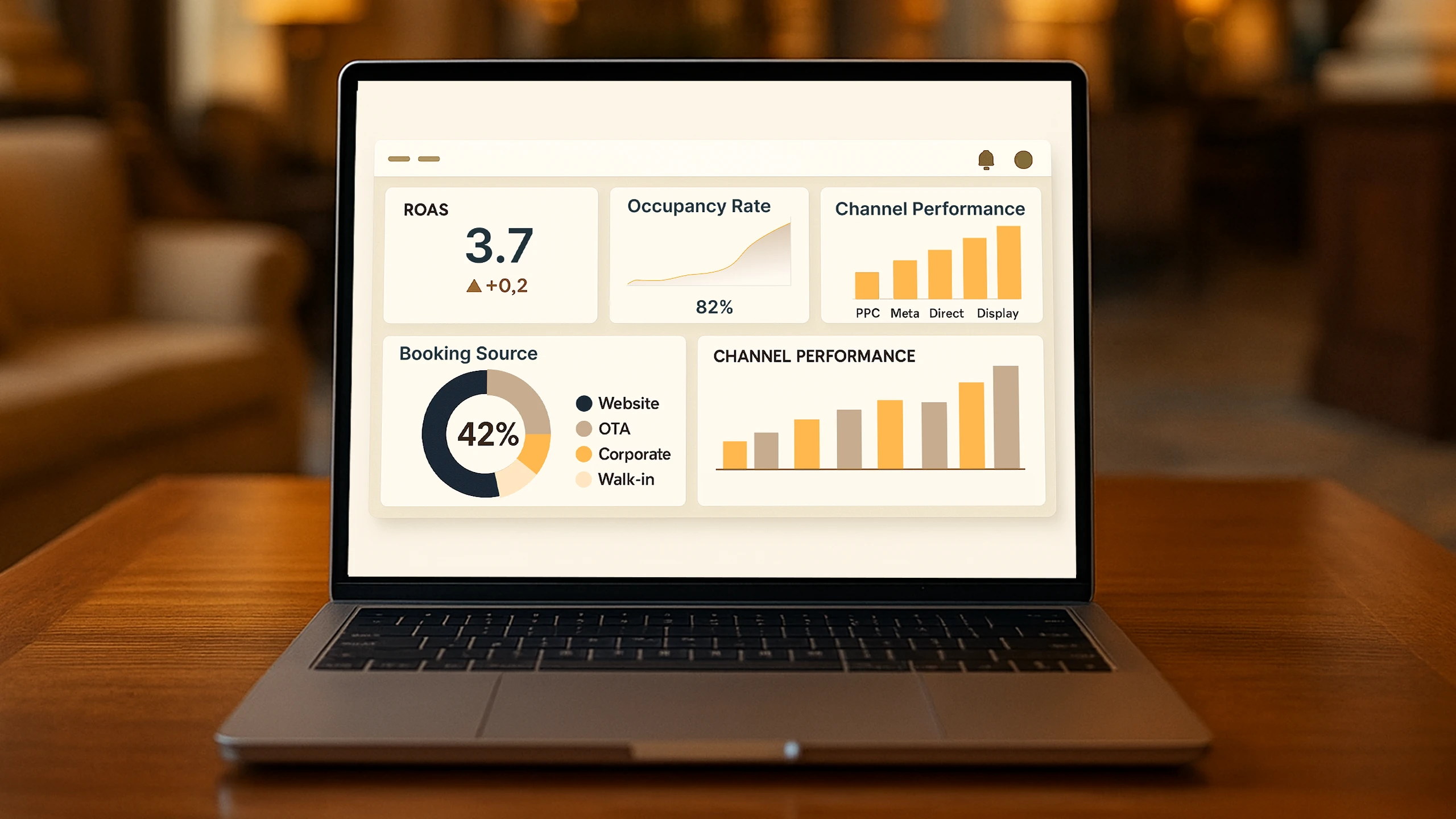
According to Booking.com, hotels that simplify their booking flows see up to a 25% rise in direct reservations and reduce costly commission fees paid to OTAs.
Mastering this aspect is a hallmark of the best hospitality website design.
Accessibility & Inclusive design: Welcoming all guests
Inclusive design isn’t just about compliance; it’s about hospitality at its core – welcoming every guest, regardless of ability.
What is accessibility in web design?
Accessibility means building websites that can be used by people with disabilities, including vision, hearing, motor, or cognitive impairments.
Key features of accessible hospitality websites
- Keyboard navigation and screen reader compatibility
- Proper use of alt text for images
- High contrast and adjustable font sizes
- Video captions and transcripts
- Accessible booking forms with clear error messages
Why you can’t ignore accessibility
Beyond legal requirements like the ADA, making your website accessible expands your market and shows genuine care for all guests. Plus, accessible sites often perform better in SEO due to clearer structure and content.
Accessibility is an essential part of web design for hotels that aim to offer a truly welcoming experience.
Performance & Speed Optimization: Keep visitors happy & engaged
Website speed has a direct impact on bookings. Slow-loading pages frustrate users and cause them to leave, often never to return.
What affects website speed?
- Large, unoptimized images
- Excessive third-party scripts or plugins
- Poor server response times
- Lack of caching and CDNs
How to improve performance
- Compress images without losing quality
- Use Content Delivery Networks (CDNs) to serve content quickly worldwide
- Minify CSS, JavaScript, and HTML files
- Implement browser caching
- Reduce the number of external scripts
A fast, responsive website keeps users engaged and reduces bounce rates, ultimately leading to higher conversion rates.
Studies show that every one-second delay in page load time can reduce conversions by 7%. Optimizing speed is thus a quick way to improve ROI and is a key focus of the latest trends in web development.
Brand consistency across digital touchpoints: Build trust & loyalty
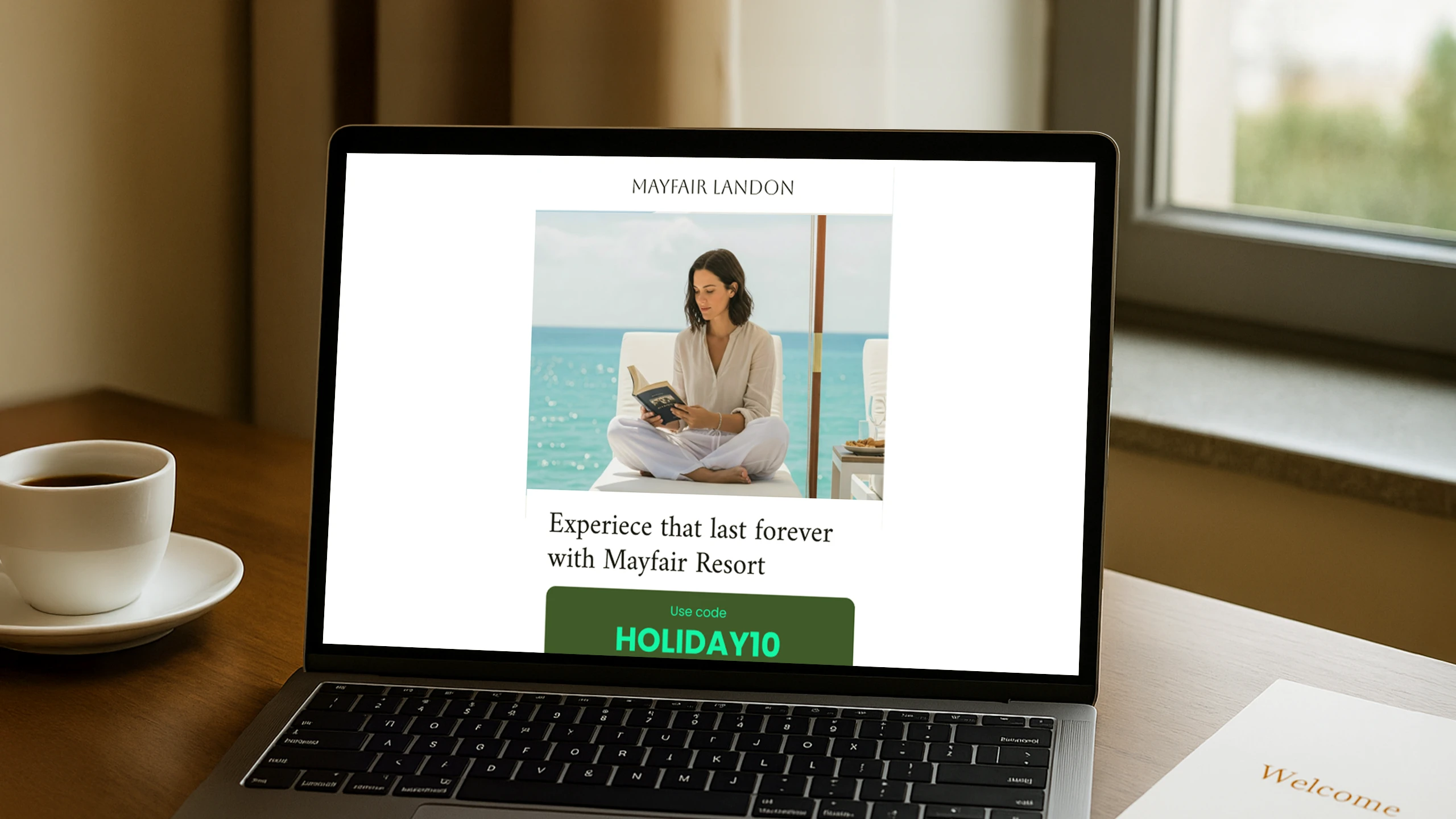
Your website is just one part of your digital presence. Consistent branding across all channels, from social media to email marketing to your mobile app, reinforces trust and creates a cohesive guest experience.
How to maintain brand consistency
- Use the same colors, fonts, and logos everywhere
- Align messaging tone with your brand personality
- Synchronize offers and campaigns
- Apply consistent UI/UX design patterns
This uniformity reassures visitors and guests, leading to increased loyalty and repeat bookings.
Integrating social media feeds, customer testimonials, and user-generated content can further strengthen brand authenticity.
Frequently Asked Questions
Q1. How much does a professional hospitality website redesign cost?
A. The cost varies based on your property’s size and requirements. A basic redesign for a boutique hotel typically ranges from £5,000 to £15,000, whilst larger properties with complex booking systems may invest £25,000 to £75,000 or more. Most hotels recoup their investment within 6-12 months through increased direct bookings and reduced OTA commissions.
Q2. Why is mobile-first design so important for hotels?
A. Over 60% of hotel bookings now happen on mobile devices. If your website doesn’t work flawlessly on smartphones, you’re losing the majority of potential bookings. Additionally, Google uses mobile-first indexing, meaning your mobile site directly affects your search rankings. A poor mobile experience costs you both bookings and visibility.
Q3. How many photos should each room listing have?
A. Properties showcasing over 20 high-quality photos per room can see up to a 136% increase in bookings. Include various angles of the room, bathroom details, window views, and unique features. Quality matters more than quantity—always use professional photography of your actual property rather than stock images.
Q4. What’s the ideal number of steps in a booking flow?
A. Aim for 3-4 steps maximum: date and room selection, guest information, and payment confirmation. Research shows that booking flows with more than 5 steps lose up to 40% of potential bookings. Simplify by combining related information and enabling autofill to reduce friction.
Q5. How quickly will I see results after launching a new website?
A. Immediate improvements in user experience should be noticeable within days. SEO improvements typically take 2-4 months, whilst direct booking increases usually become measurable within 1-3 months. Many hotels see 20-50% increases in direct bookings within the first year after implementing modern web design best practices.
Conclusion: Transform your hospitality website with these web design trends
By embracing these latest web design trends from immersive visual storytelling and mobile-first design to interactive elements, booking flow optimization, accessibility, speed, and brand consistency, hospitality brands can create websites that truly resonate with their audiences.
In 2026, your website should do more than just inform; it should inspire, engage, and convert effortlessly.
Ready to elevate your hospitality website?
At ThisRapt, we specialize in crafting cutting-edge web design for hospitality that combines stunning design with seamless functionality, tailored to your brand’s unique needs. Whether you’re a boutique hotel, luxury resort, or restaurant, we’ll help you implement the best web design for hotels and hospitality businesses to boost bookings and delight your guests.
Book a free consultation call with us today and discover how we can transform your online presence into a powerful driver of growth.