The hospitality industry is evolving at an unprecedented pace, driven by technology, changing guest expectations, and economic shifts. To stay ahead of the competition, hoteliers must anticipate trends and adapt proactively.
From smart hotel technology to AI-driven guest personalization, the next phase of the future of the hospitality industry will focus on efficiency, sustainability, and hyper-personalized experiences. Looking at hospitality trends in 2025, here’s what’s coming next and how your hotel can respond effectively.
This comprehensive guide explores the most impactful hospitality technology trends shaping 2026 and beyond. For properties seeking to modernize operations and enhance guest experiences, understanding and implementing these innovations is essential for remaining competitive in an increasingly digital marketplace. Highlights of the content:
- What is Smart Hotel Technology & Smart Hotel Systems
- AI-powered Personalization & Smart Guest Services
- Smart Hotel Room Technology Shaping 2026
- Smart Energy Management & Sustainability Systems
- Rise of MICE Tech
- Direct Hotel Booking Strategy
- Pro tips for hoteliers and managers
- Frequently Asked Questions
- Future of Hospitality Industry: Why Early Adopters Win
1. What is a smart hotel system & why does it matter?
A smart hotel system integrates AI, IoT, automation, and cloud-based solutions to enhance operational efficiency and elevate guest experiences. These systems eliminate inefficiencies, optimize resource allocation, and improve personalization. With the growing role of AI in the hospitality industry, hotels can now leverage data-driven insights to anticipate guest needs, streamline operations, and maximize revenue seamlessly.
Key benefits of smart hotel systems:
- Seamless guest experience with digital check-ins, keyless entry, and AI-driven services.
- Improved operational efficiency through automation, reducing labor costs.
- Increased revenue with AI-powered dynamic pricing and targeted upselling.
- Sustainable practices through smart energy management systems.
Example: Hilton’s Connected Room allows guests to control lighting, temperature, and entertainment via their smartphones.
How to implement it in your hotel:
- Adopt cloud-based property management systems (PMS) to streamline operations.
- Invest in smart hotel technology that enhances guest convenience.
- Upgrade to IoT-driven energy management systems for sustainability.

2. AI and personalization will drive guest satisfaction
The future of AI in hospitality is about hyper-personalization. AI will analyze guest preferences, past stays, and real-time behavior to curate bespoke experiences.
How AI is transforming hospitality:
- Personalized Room Settings – Guests’ preferred room temperature, lighting, and entertainment will be pre-set upon check-in.
Example: Marriott’s IoT Guestroom Lab personalizes room experiences using smart devices.
- Dynamic Pricing & Upselling – AI will optimize pricing strategies based on demand and guest profiles, increasing direct bookings.
- AI-Driven Marketing – Targeted promotions based on browsing behavior and past stays will improve guest retention.
How to stay ahead:
- Use AI-powered CRM tools to track guest preferences and behavior.
- Implement smart hotel room technology that remembers guest settings.
- Leverage AI for revenue management and marketing campaigns.
Recommended Tools:
- Revinate – AI-powered guest data platform for personalized marketing.
- Duetto – AI-driven revenue management tool for dynamic pricing.
3. Smart hotel room technology will become the new standard
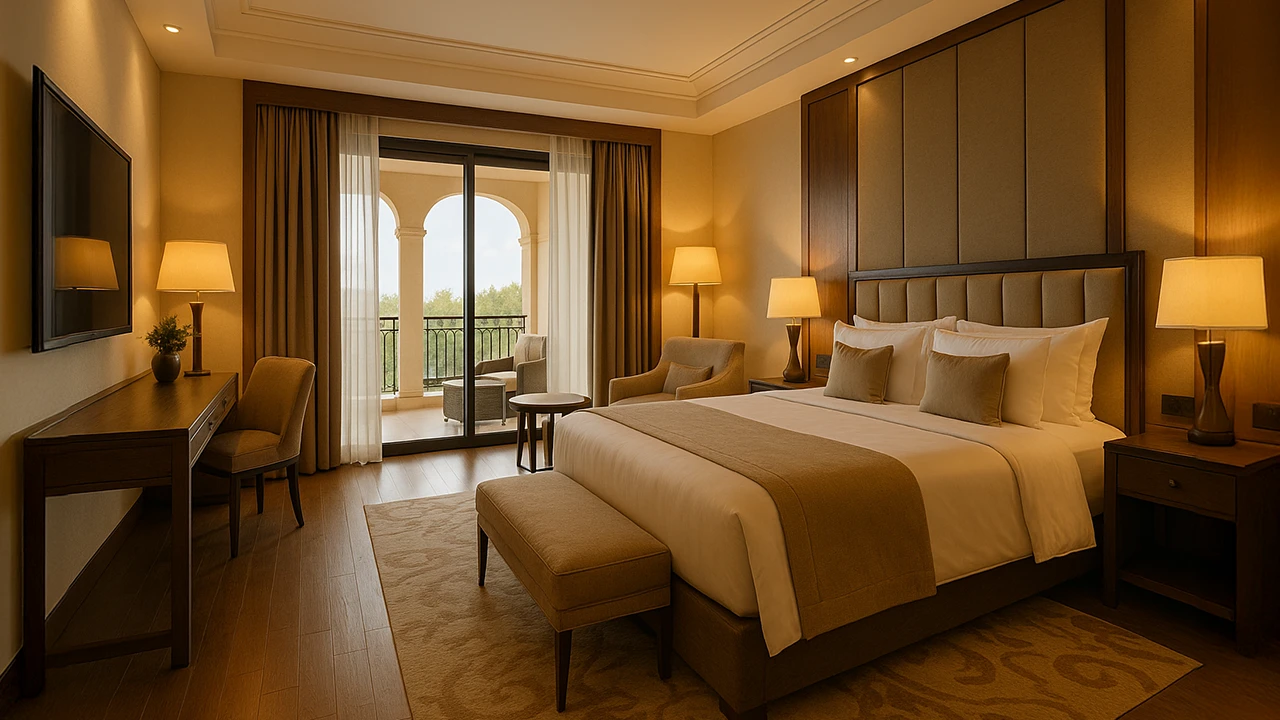
Hotels are upgrading rooms with smart hotel room technology. By 2026, hotels will offer voice-activated, IoT-connected rooms to enhance guest comfort and convenience.
Popular smart hotel technology features:
- Voice-Controlled Room Features – Guests can control lighting, curtains, and temperature with voice commands.
- Automated In-Room Dining & Service Requests – QR codes and in-room tablets will enable effortless service requests.
- AR/VR Integration – Virtual tours of local attractions and immersive in-room entertainment will enhance guest experiences.
How to stay shead:
- Upgrade rooms with intelligent technology to attract tech-savvy travelers.
- Offer voice assistants like Alexa or Google Nest for an intuitive experience.
- Invest in IoT-driven energy management to reduce operational costs.
4. Sustainability & eco-conscious hospitality will be a priority
Sustainability is no longer a trend; it’s a necessity. Hotels that fail to adopt green initiatives risk losing eco-conscious travelers.
Sustainable hospitality trends for 2026:
- Energy-Efficient Smart Systems – Smart thermostats and automated lighting will reduce energy waste.
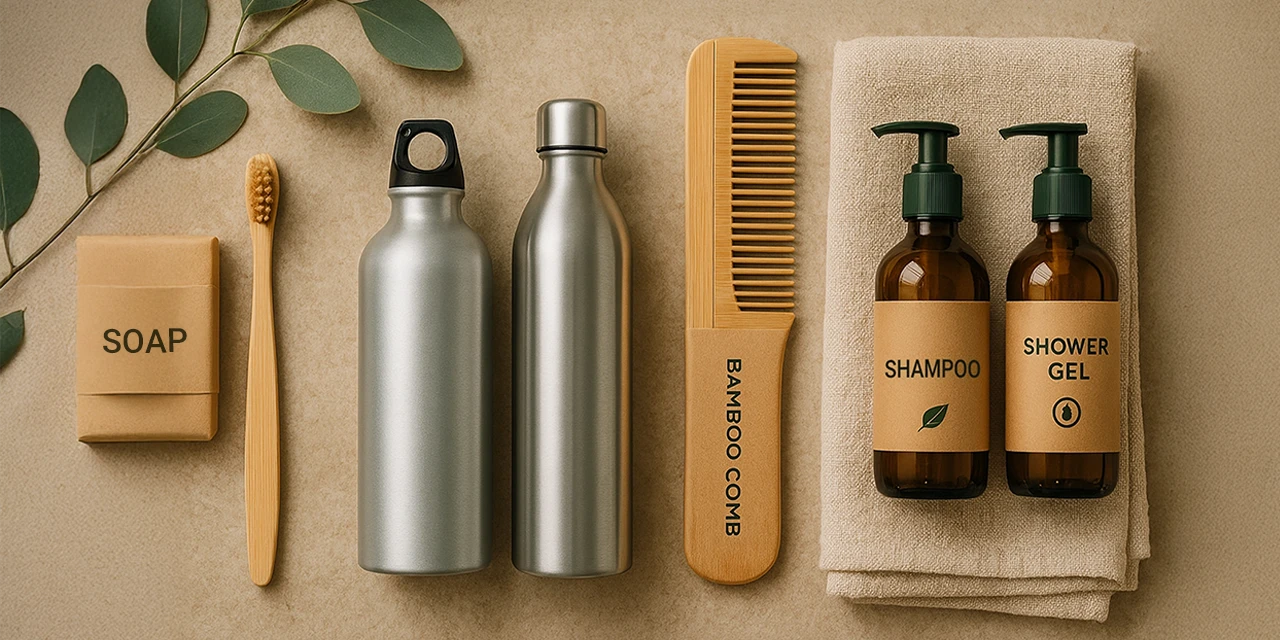
- Eliminating Single – Use Plastics – More hotels will switch to biodegradable or refillable amenities.
- Local & Ethical Sourcing – Hotels will focus on farm-to-table dining and sustainable supply chains.
How to stay ahead:
- Implement a smart hotel system that tracks and optimizes energy consumption.
- Introduce a green loyalty program that rewards eco-conscious guests.
- Partner with sustainable suppliers to enhance brand reputation.
5. The rise of MICE (Meetings, Incentives, Conferences, and Exhibitions) tech
MICE bookings are rebounding, but hotels must adapt to hybrid and virtual event demands.
How hotels can capitalize on MICE trends:
- Hybrid Event Solutions – Hotels will need state-of-the-art AV tech and high-speed internet for seamless virtual participation.
- Tool: Cvent – A platform for managing MICE events and hybrid meetings.
- AI-Powered Event Planning – AI will streamline event logistics, from guest registrations to personalized catering.
- On-Demand Co-Working Spaces – Business travelers will seek flexible workspaces within hotels.
How to stay ahead:
- Upgrade conference rooms with smart hotel technology like AI scheduling tools and high-speed internet.
- Offer customizable event packages with hybrid meeting capabilities.
- Leverage data analytics to upsell MICE services based on guest profiles.
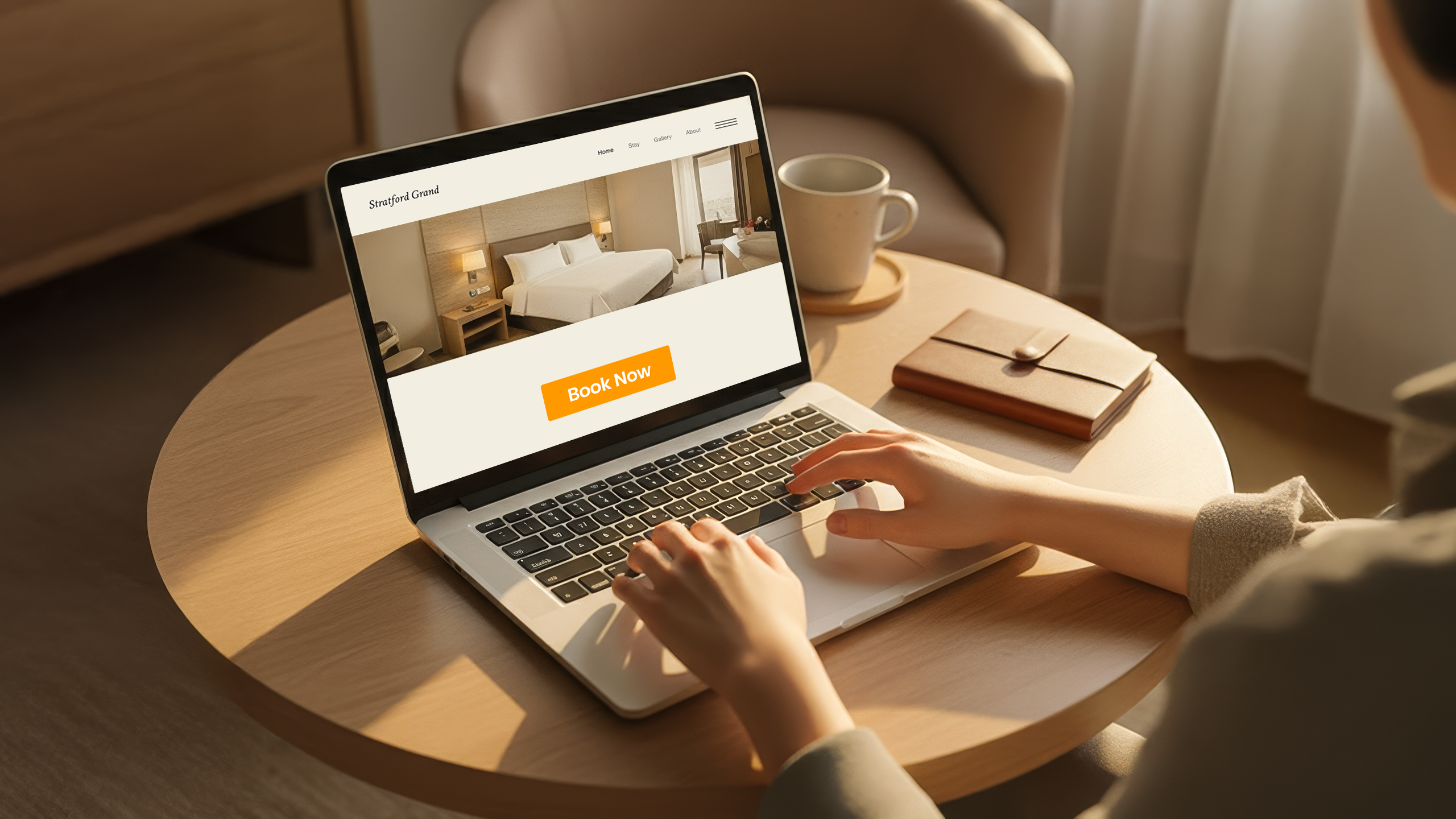
6. Direct bookings will outperform OTAs
Hotels are shifting focus away from Online Travel Agencies (OTAs) due to high commission fees. By 2026, direct booking strategies will be critical for revenue growth.
How hotels can reduce dependence on OTAs:
- Metasearch Optimization – Hotels will invest in Google Hotel Ads and TripAdvisor to drive direct bookings.Tool: Sojern – A metasearch marketing platform for hotels.
- Loyalty Programs & Exclusive Perks – Offering better rates and perks to direct bookers will boost retention.
- AI-Powered Price Optimization – Machine learning will dynamically adjust pricing to maximize revenue.
How to Stay Ahead:
- Strengthen direct booking channels with optimized websites and mobile apps.
- Utilize AI-driven marketing and chatbots to enhance conversion rates.
- Offer exclusive discounts, early check-in perks, and personalized experiences for direct bookers.

Pro tips for hoteliers and managers
Successfully implementing smart hotel technology requires strategic planning, careful execution, and ongoing optimization. Here are essential recommendations for hospitality leaders:
| Strategic Planning | Staff Preparation | Guest Experience | Security & Privacy | Measuring Success |
|---|---|---|---|---|
|
|
|
|
|
FAQs
Q: What is “smart hotel technology”?
A: It refers to interconnected systems – IoT, AI, mobile apps, automation — that manage room controls, guest services, check-in, payments, energy use, and more, to deliver a seamless, efficient, and personalised hotel experience.
Q: Why is smart hotel room technology important for 2026?
A: As guest expectations shift, smart rooms – with voice control, IoT comfort settings, contactless access, and AI-powered services – are becoming baseline expectations rather than luxury extras.
Q: How does a smart hotel system benefit hotel operators?
A: It reduces manual workload, improves operational efficiency, cuts energy costs, optimises staffing, enables data-driven decisions, and enhances guest satisfaction & loyalty.
Q: Is AI-driven personalisation safe and practical?
A: Yes. With proper data handling and privacy protocols, AI can deliver tailored experiences – preferred temperature, room settings, bespoke offers – which guests appreciate.
Q: Do smart hotels cost much more to run?
A: The initial investment may be higher, but smart energy management, reduced staffing needs, better occupancy rates, and guest loyalty often lead to savings and revenue gains over time.
Conclusion: The future of the hospitality industry in 2026
The hospitality industry is undergoing a technological and experiential revolution. Hotels that embrace AI, automation, sustainability, and direct booking strategies will maintain a competitive edge.
Key takeaways for hoteliers:
- Invest in AI & automation to enhance guest experiences.
- Upgrade hotel technology for seamless and efficient operations.
- Implement sustainability initiatives to attract eco-conscious travelers.
- Strengthen direct booking strategies to maximize profitability.
The future of the hospitality industry hinges on data-driven decisions. By leveraging predictive analytics to tailor guest experiences, hotels can anticipate needs before guests even express them. This is a core shift in hospitality trends 2026, where the guest journey becomes more intuitive, frictionless, and memorable. Furthermore, sustainability remains at the forefront of hoteliers who embed eco-friendly practices into operations and design are aligning with evolving guest values and securing a more resilient future of the hospitality industry.
For forward-thinking hoteliers, now is the moment to integrate these trends, starting small but scaling fast. Embracing this wave not only ensures your property is future-ready it also cements its place in the future of the hospitality industry.
Ready to position your property for the future?
Let’s build a resilient, guest-centric, and technology-driven strategy that secures your success in the future of the hospitality industry.