Free WiFi stopped being a perk years ago – it’s baseline infrastructure guests assume exists, the way they assume the lights work. What’s changed in 2026 is what sits behind that connection: a properly configured captive portal is now one of the few touchpoints where a hotel can identify, consent, and market to every actual guest in the room – not just the person who made the booking. That distinction matters more than it sounds. A meaningful share of hotel stays are booked by a travel agent, a corporate booker, or a partner on an OTA, meaning the hotel never captures the actual guest’s contact details at all – until that guest logs into the WiFi.
This guide covers what WiFi marketing actually does for a UK hotel in 2026: the current market data, the loyalty-enrollment angle most hotels are missing, a practical implementation walkthrough, and the consent requirements that keep it all legal.
| Let’s explore how guest WiFi marketing for hotels can boost your bottom line, increase loyalty, and deliver a seamless, high-value digital experience for your guests. Herae you’ll learn: |
|
1. What is WiFi marketing for hotels?
WiFi marketing uses your guest WiFi network as a direct communication and promotional channel. When a guest connects, they’re greeted with a branded login page – a captive portal – before reaching the open internet. That moment is a legitimate opportunity to:
- Promote direct-booking offers and loyalty sign-up
- Collect consented guest contact details and preferences
- Trigger location-based (geofenced) promotions
- Reinforce brand identity at a moment guests are actively paying attention
The goal: turn a utility guests barely notice into a measurable, consented marketing channel.
2. Why this matters more than ever: The OTA bypass problem
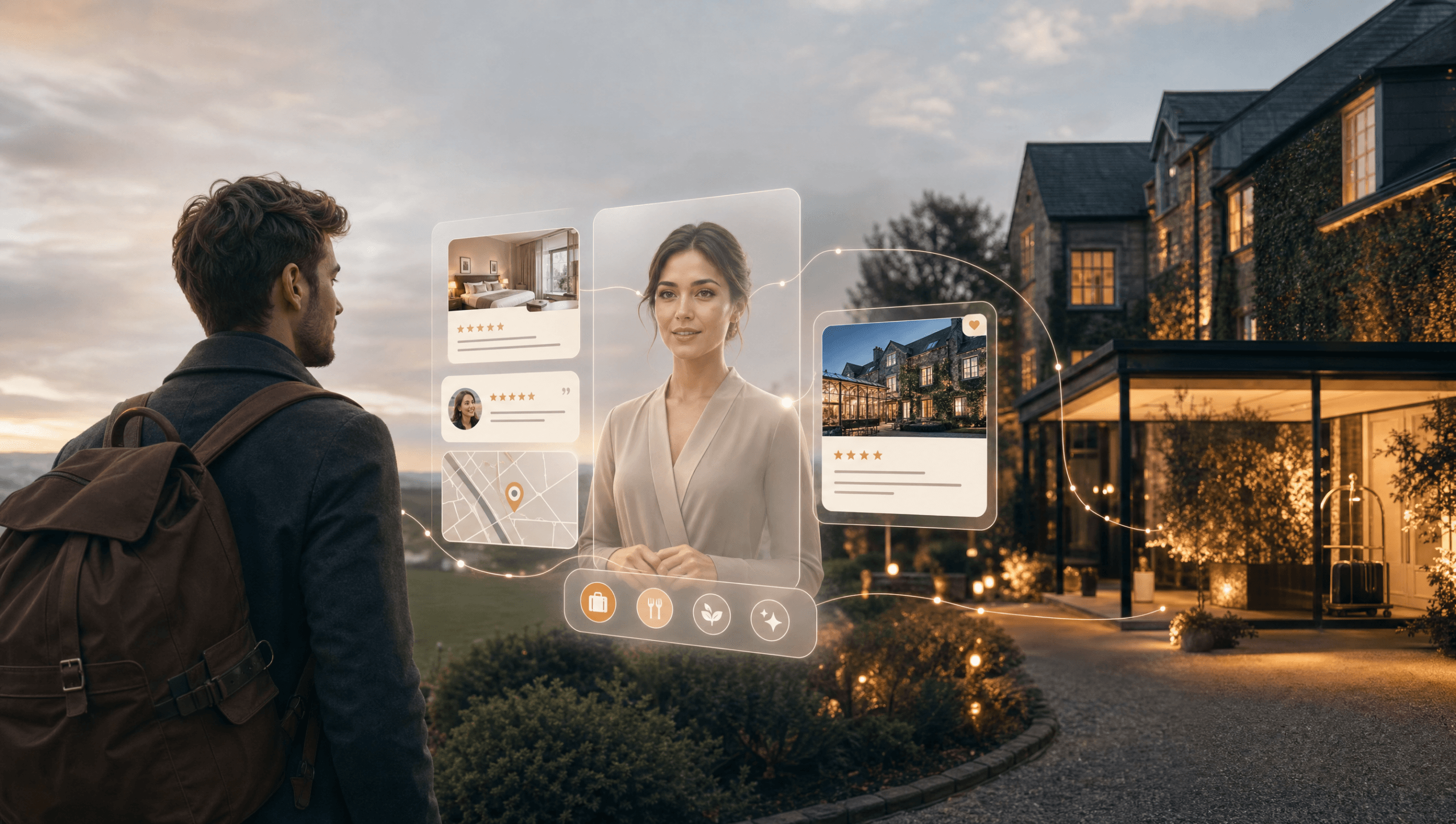
Here’s the argument most WiFi marketing content misses. When a guest books through Booking.com, Expedia, or a travel agent, the hotel typically only has the booker’s details – not necessarily the guest actually staying in the room. If those are different people (a corporate travel manager booking for an employee, a partner booking for their spouse), the hotel has no direct line to the person who actually experienced the stay.
A properly configured captive portal solves this. It identifies and captures consent from the actual guest at check-in-adjacent connection, regardless of how the booking was made – turning even an OTA-sourced stay into a direct relationship the hotel owns going forward. This is now considered a core mechanism for building loyalty programme enrollment and direct-channel relationships that survive the original booking source entirely.
3. Zero-Party data vs. First-Party data: Know the difference
This distinction matters for how you design your captive portal, and it’s worth understanding precisely:
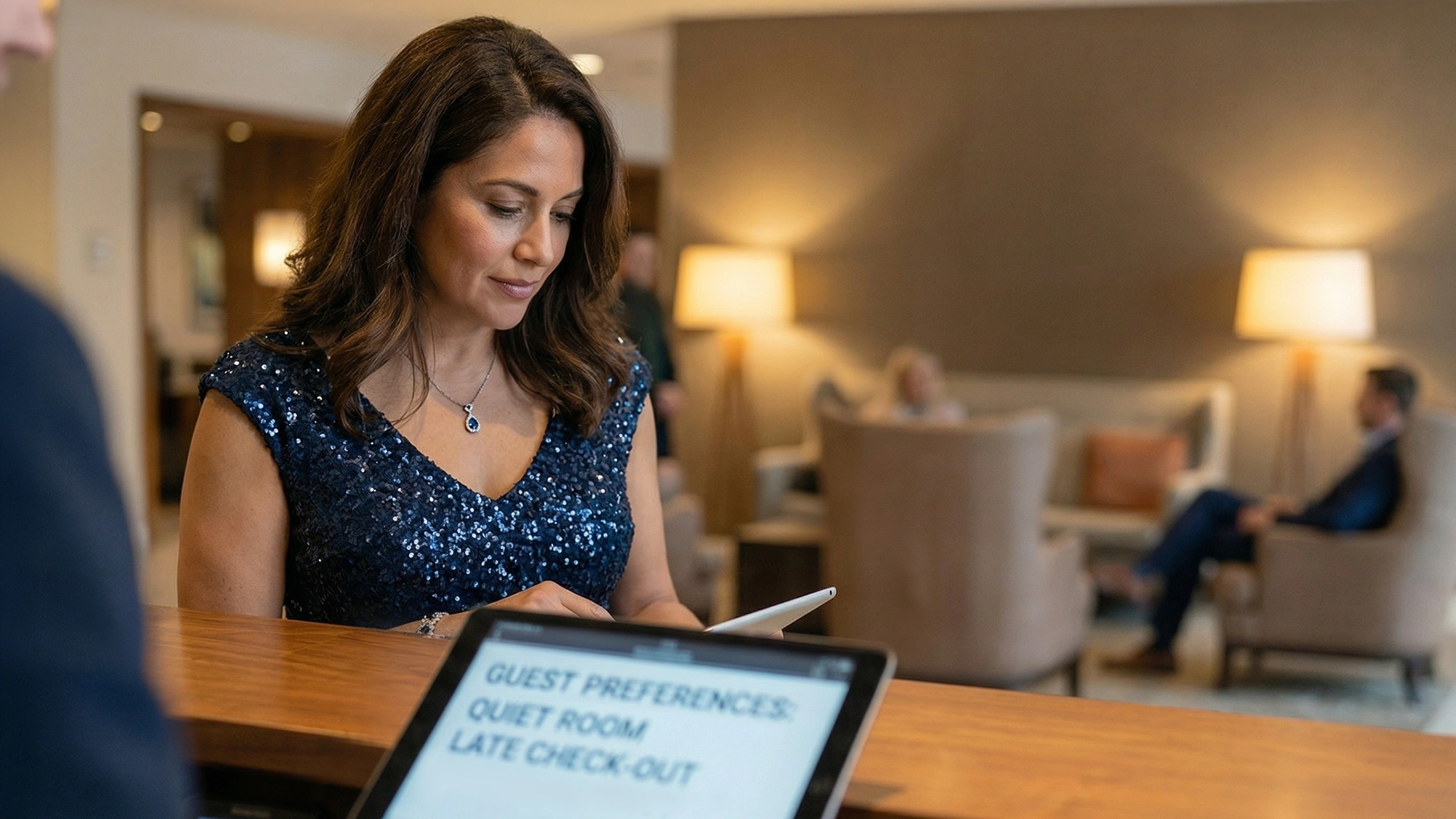
- Zero-party data is information a guest willingly volunteers — stated travel preferences, dietary needs, room temperature preference, occasion (anniversary, business trip)
- First-party data is behavioural — dwell time in the spa, movement between zones, peak connection hours, repeat-visit patterns
Both require consent, but they serve different purposes: zero-party data personalises direct communication (“Happy anniversary — here’s a bottle of prosecco on us”), while first-party data optimises operations and timing (knowing exactly when bar footfall peaks, so a cocktail promotion lands at the right moment rather than the wrong one).
4. Current market data: Is WiFi marketing actually worth it?
The category has moved well past novelty. The global captive portal market is projected to grow from roughly $1.27 billion in 2026 to $2.71 billion by 2032 — a 13.4% annual growth rate driven substantially by hospitality adoption.
The measurable impact for hotels specifically:
- Properties with fully branded (versus generic) WiFi portals see 0.5–1.1 points higher review scores and 12–19% increases in direct bookings within 12 months
- WiFi monetisation and sponsorship models can offset 30–60% of network operating costs, turning what was a pure expense line into a partially self-funding channel
- Purpose-built platforms now sync captive portal sign-ins directly into CRM systems, converting a WiFi login into an enriched, segmentable guest profile automatically rather than a one-time email capture
A useful illustrative example: a hotel that replaces a generic router login page with a fully branded portal – local imagery, clear offer messaging, one-tap loyalty enrollment – typically sees a meaningful lift in loyalty sign-ups within the first quarter, since it’s converting an entirely passive moment (waiting for WiFi to connect) into an active one (choosing whether to opt in).
5. Benefits of WiFi marketing for hotels
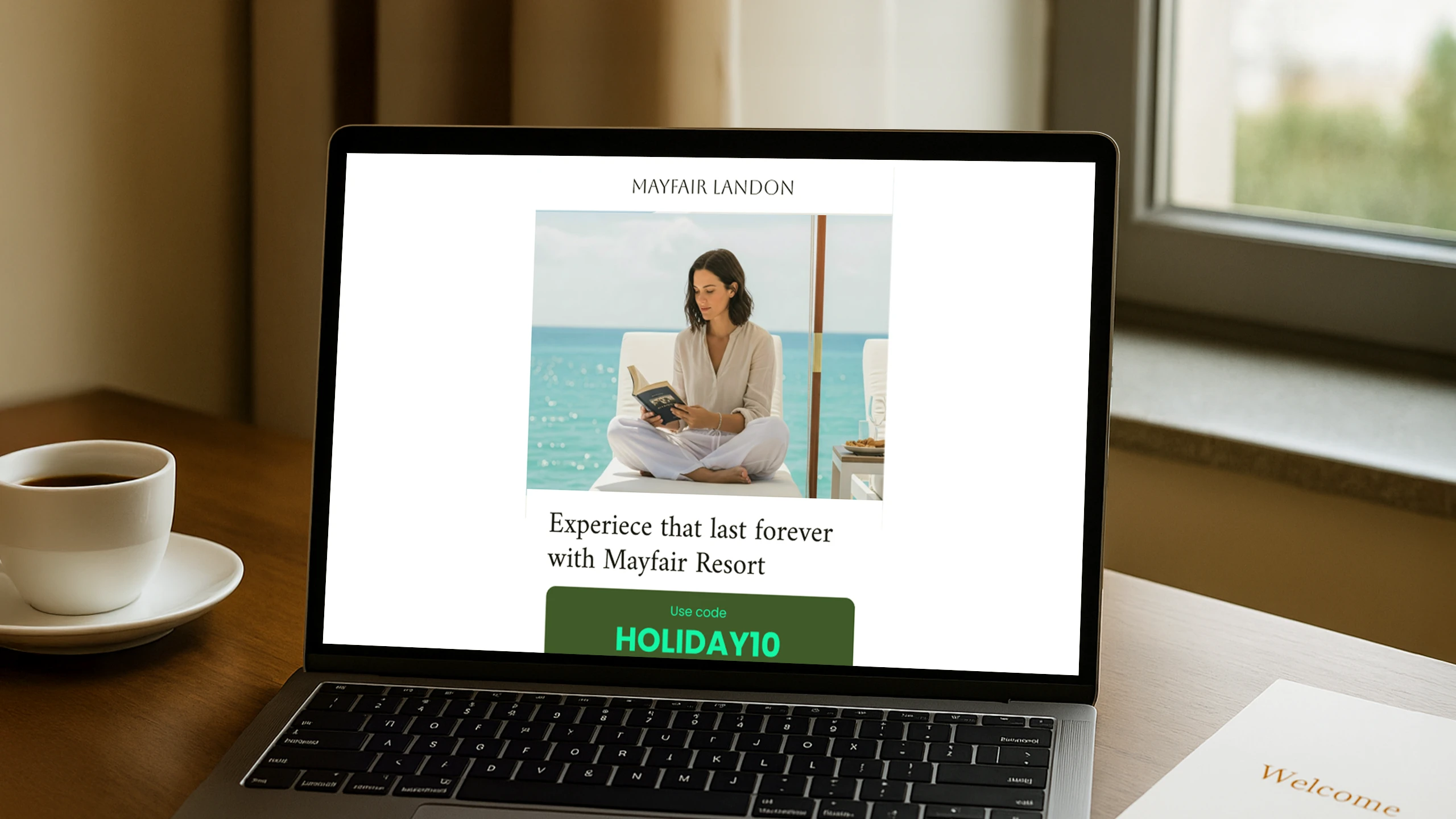
The splash page a guest sees before reaching the internet can carry direct-booking incentives: a discount on the next stay, a complimentary upgrade, or loyalty-exclusive offers. This nudges guests toward booking directly next time rather than defaulting back to an OTA.
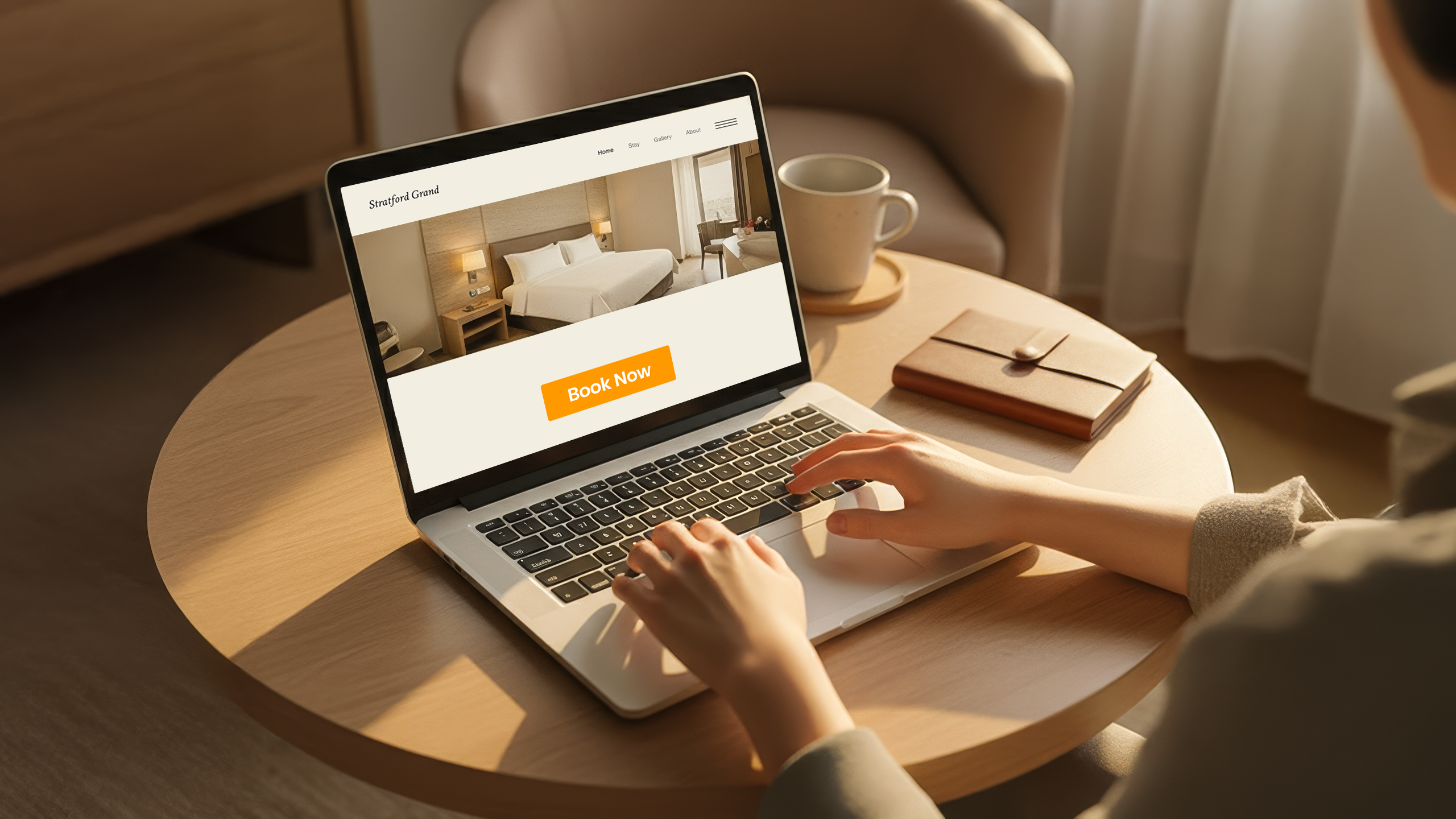
Pro tip: A clear “Book Direct & Save” CTA on the splash page performs better than a generic welcome message – specificity beats politeness here.
Location-aware access points let you deliver context-specific offers: a spa discount as a guest nears the wellness centre, a dinner reservation nudge as they linger in the lobby around 6 pm, a cocktail-hour reminder as they approach the bar. This context-aware targeting consistently outperforms generic, non-targeted promotions on uptake.
At sign-in, request name, email, and (optionally) stated preferences — always with clear, explicit consent under UK data protection rules. This is the mechanism described above that captures actual guests regardless of booking source, feeding future segmented marketing rather than one-off promotions.
A polished, on-brand splash page – your logo, imagery, tone of voice – reflects professionalism at a moment guests are paying close attention. Adding genuinely useful local content (weather, event listings, a quick local guide) turns an interruption into a small value-add rather than a friction point.
Push notifications and portal banners can prompt late checkout, room upgrades, or local experience bookings – ideally timed using behavioural data (in-room dining reminders that land near typical dinner hours, rather than generic all-day promotion blasts).
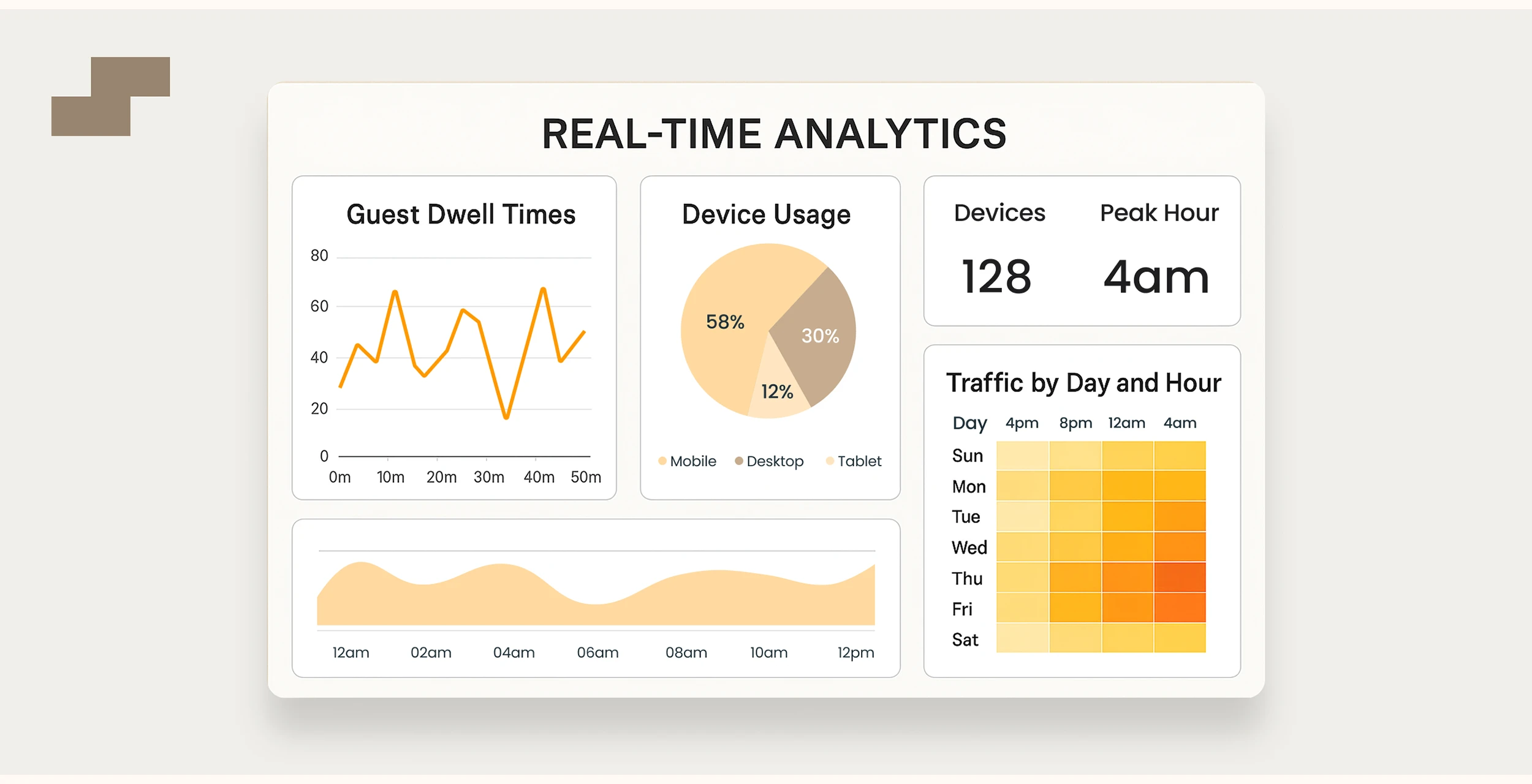
Aggregated, anonymised movement and dwell-time data reveals genuinely useful operational patterns – peak bar hours, underused conference space, popular outdoor areas – informing staffing and layout decisions beyond marketing alone.
6. How to implement WiFi marketing: Step-by-Step
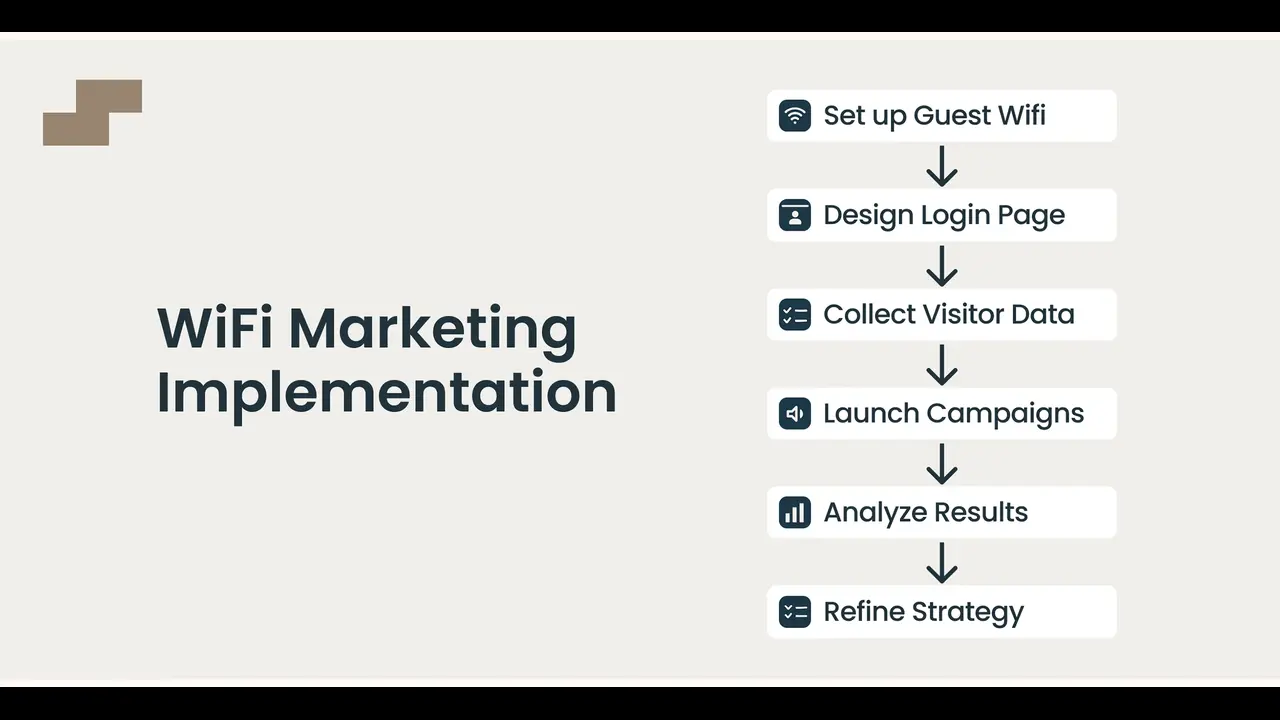
Step 1: Choose the right platform
Prioritise a provider offering:
- Reliable, enterprise-grade coverage across rooms, lobby, restaurant, and outdoor areas
- Native captive portal customisation
- Built-in consent management and audit trails (not just a generic checkbox)
- CRM/PMS integration, so data flows into your existing guest profile system rather than sitting in a separate export
Step 2: Implement geofencing thoughtfully
Position access points to create meaningful zones — spa, bar, restaurant, conference space — and trigger location-relevant notifications. Avoid over-messaging: geofencing works because it’s precise, not because it’s frequent.
Step 3: Design a conversion-focused splash page
Keep it mobile-first, on-brand, and genuinely simple: clear offer, clear CTA, minimal required fields, explicit consent language. Add multilingual support if you regularly host international guests.
Step 4: Build and segment your guest database
Segment by visit frequency, stated preferences, and booking source — this is where the zero-party/first-party distinction pays off, since each segment responds to a different message and timing.
Step 5: Launch targeted campaigns
Use the segmented data for birthday offers, repeat-guest discounts, and low-occupancy-day promotions — timed using actual behavioural patterns rather than a fixed generic schedule.
Step 6: Track results and iterate
Monitor engagement rate, offer redemption, and dwell time by zone. A/B test splash page design and offer framing regularly — small changes here compound meaningfully over a year.
7. Consent and compliance: More than just “GDPR”
In the UK, guest WiFi data collection sits under both UK GDPR and the Privacy and Electronic Communications Regulations (PECR) — the latter specifically governs consent for electronic marketing communications, and is often the piece generic “GDPR compliant” claims skip over.
Practical compliance checklist:
- Explicit, unticked opt-in checkboxes — never pre-checked
- Clear, plain-language explanation of what data is collected and how it will be used
- A genuinely accessible way to decline marketing while still connecting to WiFi (consent for network access and consent for marketing must be separable)
- Documented, auditable consent records — not just a database of emails with no record of what was agreed to
- A working, easy unsubscribe mechanism honoured promptly
8. Final thoughts
Guests no longer notice WiFi when it works – they only notice when it doesn’t. That’s precisely why it’s such a valuable, underused marketing surface: it’s one of the few moments during a stay where a guest is actively paying attention to a screen your hotel controls, including guests an OTA booking would otherwise keep invisible to you. Done well – branded, genuinely useful, properly consented – it converts a utility guests take for granted into measurable direct bookings, loyalty enrollment, and operational insight.
Ready to turn your hotel’s WiFi into a genuine marketing and loyalty channel?
9. FAQs
It can be, provided consent is explicit, unticked by default, and clearly explains what data is collected and how it will be used. UK hotels specifically need to consider PECR alongside UK GDPR, since PECR governs consent for electronic marketing communications specifically — a detail generic “GDPR compliant” marketing claims often miss.
Generally not, if it’s genuinely value-driven — relevant offers, fast reliable connectivity, and a portal that doesn’t demand excessive information before granting access. Guests are far more tolerant of a single relevant offer than a cluttered form with unnecessary required fields.
Yes – properties with fully branded portals report 12–19% increases in direct bookings within 12 months and measurably higher review scores, and monetisation models can offset 30–60% of network costs, making the channel partially self-funding rather than a pure expense.
This is actually where it matters most. WiFi captive portals identify and capture consent from the actual guest staying in the room, regardless of who made the booking – meaning it’s one of the few reliable ways to build a direct relationship with OTA-sourced guests you’d otherwise never have contact details for.
Zero-party data is information guests volunteer directly (preferences, occasion, dietary needs); first-party data is behavioural (dwell time, movement patterns, connection hours). Both require consent, but they serve different purposes — zero-party data personalises communication, first-party data informs operational and promotional timing.
Not necessarily. Many router-native portals are free but lack CRM sync and marketing features; most hotels moving beyond basic connectivity into genuine lead generation and segmentation upgrade to a dedicated platform once that becomes the priority, rather than starting there.