Running a restaurant in the UK isn’t for the weak-hearted. Long hours, rising food costs, and staffing shortages. And even after facing all these, what do the owners earn? Something between £26,000 and £60,000 in a year (before tax).
However, there’s a small group of smart restaurant owners; the top 10% are making over £100,000 (some of them are making over that). The difference between these top 10% and the other restaurant owners is just that these top owners run their restaurant as businesses. They execute a deliberate and highly effective restaurant business strategy built for long-term success.
This blog acts as an action plan to increase sales in a restaurant for those restaurant owners who want to make six figures out of their restaurant business in 2026. This guide will teach you how to build a repeatable system on smarter restaurant profit margins, sharper pricing, multiple income lines, and a brand people keep choosing again and again.
| Your complete guide to a six-figure restaurant business strategy starts here. Let’s dive into: |
|
Fix your margins first!
You don’t need more customers; you need to identify and keep track of where your money is going in order to stop it from leaking.
- Know your real food cost percentage.
The ideal profit margin for the restaurant industry in the UK sits between 28% and 32%. If yours exceeds this range, then your menu must have been subsidising waste, over-portioning, or poor purchasing. Even a rise of 2% can lead to a loss of thousands of pounds.
(Source: The Caterer UK industry benchmarks; UK hospitality; Accountant Silkeston (2025); Toast POS UK (2025))
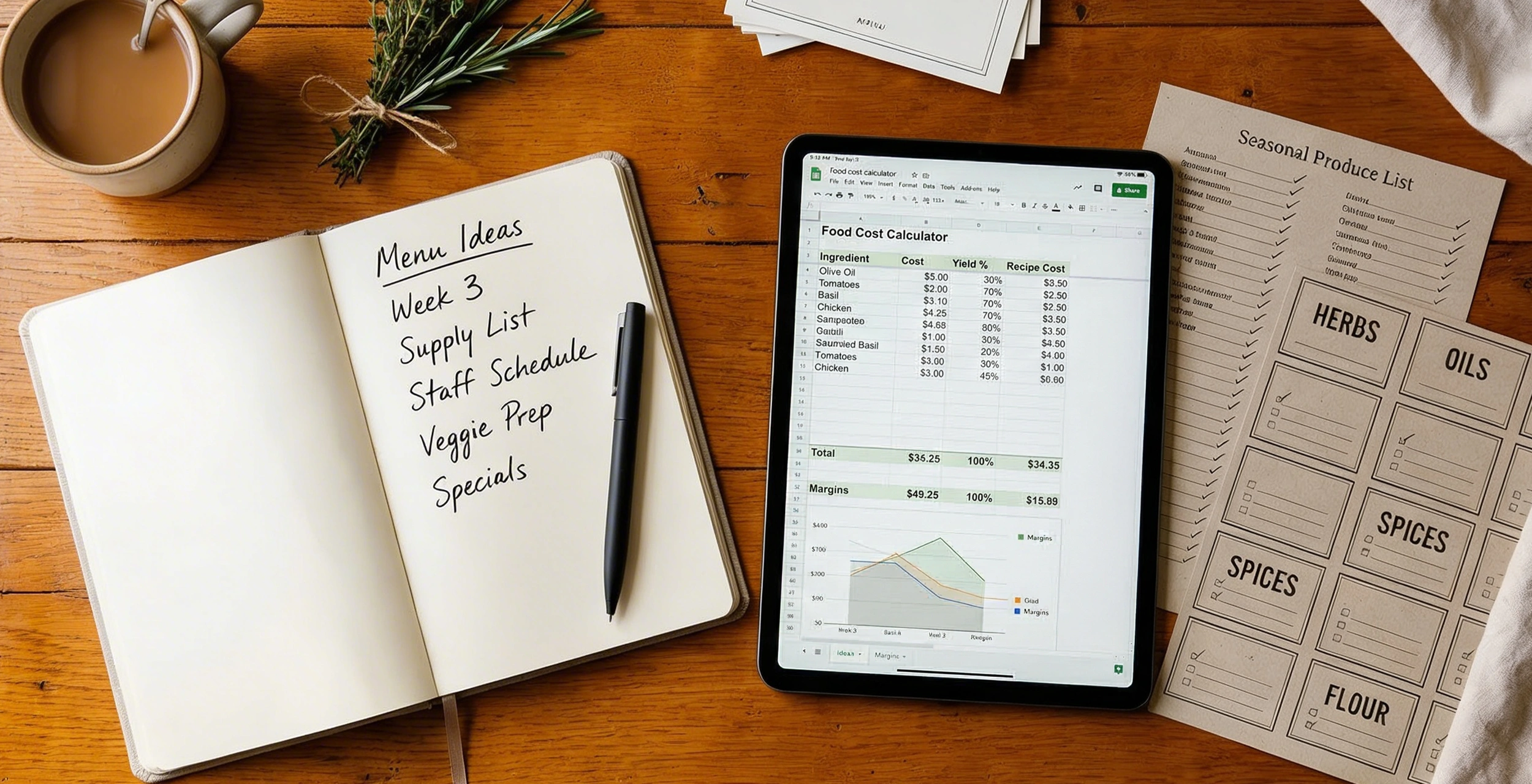
Start by calculating the food cost percentage of every food item on your menu. Make a list of every ingredient with its exact cost and what percentage of your selling price it represents. Once done, take a seat and watch for some uncomfortable truths to unfold.
- Portion control and waste reduction.
Inconsistent portioning can kill your profit silently. Incorporate smart portioning tools like scales, scoops, and prep guides to ensure that every dish costs what you planned.
To avoid wastage, start a weekly stocktake and use the prep leftovers creatively. This way, you’ll be able to reduce your weekly food bill without a single customer noticing.
- Menu Engineering: Stars, Workhorses, Puzzles, and Dogs.
Menu engineering is the understanding of which dishes make it to your restaurant’s menu and which ones waste your time and money. Divide the dishes into the following four parts before finalising.
- Stars: The dishes have high margins and popularity. Highlight these in your menu and train your staff to recommend them.
- Workhorses: These are popular but low in margins. Review their portion size and pricing to push profitability upward.
- Puzzles: Hold a high margin but are rarely ordered. Requires repositioning in the menu with a little tweaking in the description.
- Dogs: Low in margin, low in demand. Cut them off the menu.
Fewer dishes on the menu also mean fewer operations in the kitchen. The paradox of choice is real: give your diners fewer options, and they’re more likely to choose your most profitable dishes.
Price likes a CEO, not a Chef.
Do not set prices based on what your gut says or what your competitors do. Act smart.
- Value-based pricing vs. Cost-plus pricing.
Cost-plus pricing (by adding a markup to your cost) is a safe spot, but value-based pricing is where your profit enters. Value-based pricing is what your customer perceives the experience to be worth.
If your restaurant has a beautiful ambience, a serene atmosphere, a loyal following, or a genuinely distinctive menu, then you might be undercharging. Customers in 2026 don’t just pay for food; they pay for convenience, experience, and identity.
- Psychological pricing techniques that actually work.
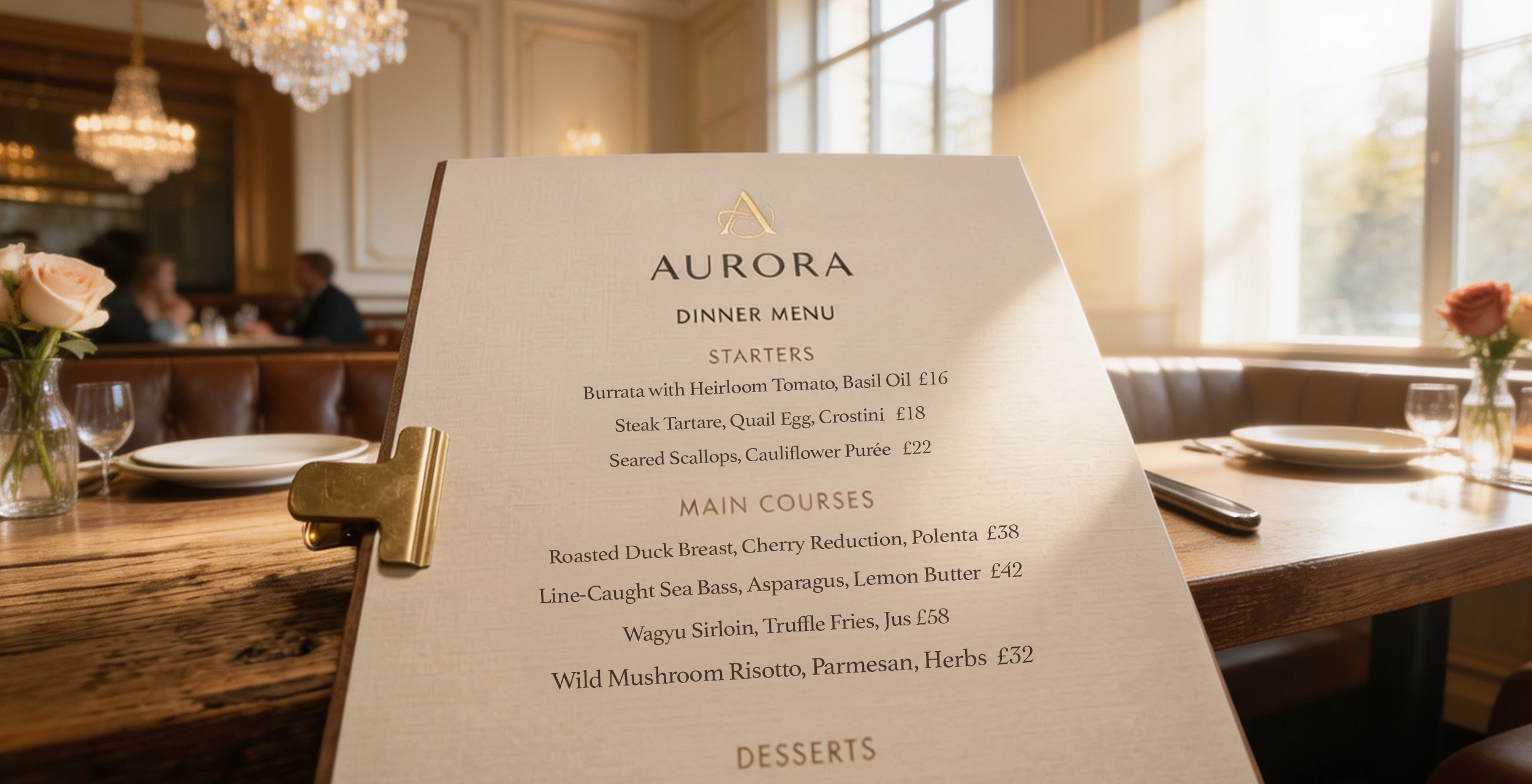
- Remove the “£” sign from the menu; this makes diners focus less on prices.
- Use charm pricing, i.e., £13.95 instead of £14, on the items falling under the mid-range category.
- Placing a premium item at the top of the list makes the items below feel like a better deal.
- When and how to raise your prices?
With the increasing inflation and living costs in the UK, raising prices isn’t a luxury but a necessity. The key is to communicate the value behind it confidently.
Gradually increase the prices by 5-8% at a time, then tie the increases to menu refreshes so customers don’t just notice the price increase but experience a whole new upgrade. Even a 5% increase in your prices without losing a single customer can add thousands of pounds to your annual profit.
Build multiple revenue streams from one location.
There’s a lever most restaurant owners don’t pull, but once pulled, it can be extremely beneficial to your restaurant. You can create a second source of income with your existing restaurant without adding a second site.
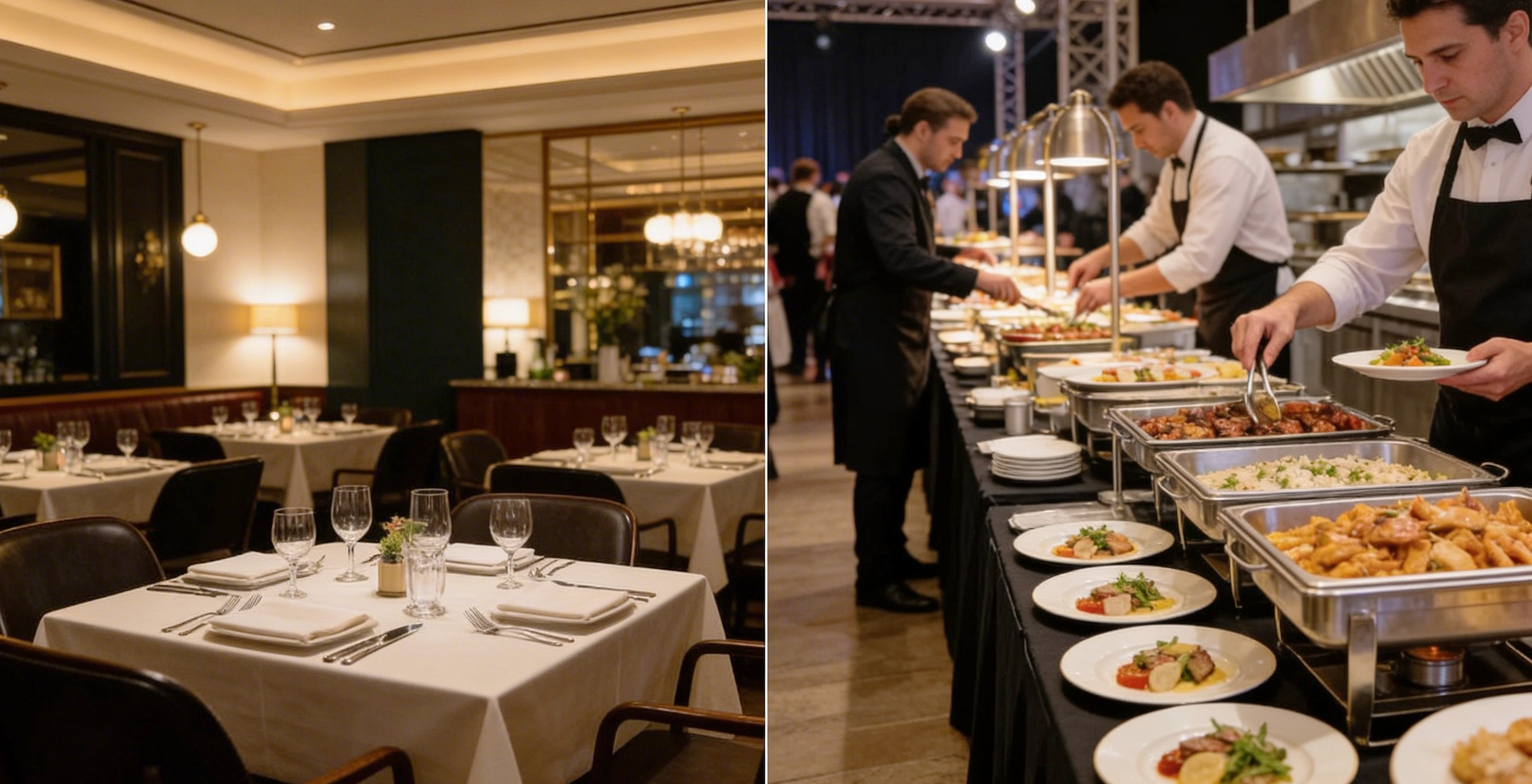
- Catering to private dining and events.
Catering is one of the most accessible streams to build a profitable revenue. Typical dine-in margins usually hover between 4% and 7%, but a well-run catering operation can consistently deliver 10-12% to the bottom line.
And the best part is, it uses your kitchen in the off-peak hours, turning them into profits. You can cater for corporate and private parties, weddings, and local events.
- Meal kits, Branded products, and Retail.
According to the research, around 77% of consumers would buy a different type of product from their favourite restaurant. Consider a blend of spices, cooking kits, recipe books, or signature sauces. If your food is loved by a bunch of people, then you already have your market ready.
- Virtual brands and Ghost kitchen concepts.
We’ve already considered catering as a second source of income; hence, a virtual brand can be your third. It’s a delivery-only concept, set up with a different name, different menu, and audience. This is a growing trend in the UK and is very effective for the restaurants that already have a delivery setup.
Use technology to work smarter, not harder.
You don’t have to transform yourself into a tech company, but in 2026, ignoring the right tools is like having your favourite dessert plated in front of you, but you’re on a diet.
- Direct online ordering.
There are plenty of third-party delivery apps like Deliveroo and Uber Eats, but they take up to 30% commission per order. If you have an online ordering and delivery facility in your restaurant, even a partial shift to direct ordering via your own restaurant website or app can significantly increase your profit.
This is a huge ROI change that an independent UK restaurant can make. And the technology to do this is not affordable and accessible.
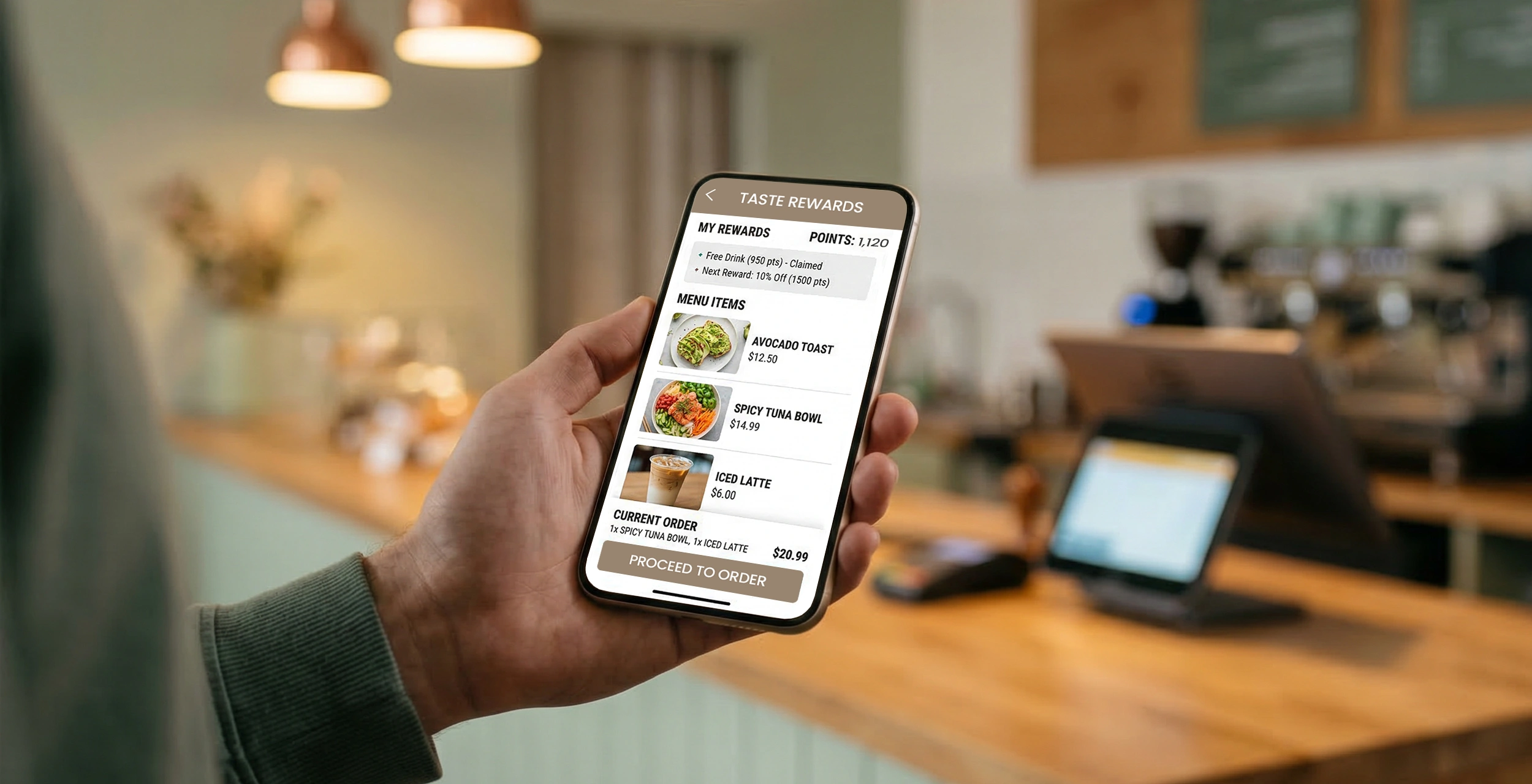
- Loyalty apps and customer retention tools.
Your restaurant’s own loyalty app doesn’t just create repeated visits; it creates loss aversion. Accumulated points keep customers coming back as a form of protection for what they’ve built with you.
- Automation that quietly cuts costs.
Reservation management tools, automated staff scheduling, and digital stock-takes all help reduce human error. Even a small efficiency gain can lead to meaningful savings over a year. Around 73% of the UK diners are now comfortable with incorporating AI into their booking experience.
Build a brand, not just a restaurant.
The most profitable restaurants aren’t just places to eat; they’re brands. Brands that command better pricing, stronger loyalty, and more word-of-mouth than any ad campaign. Here’s a restaurant marketing plan that drives real results.
- Local SEO and Google Business Profile.
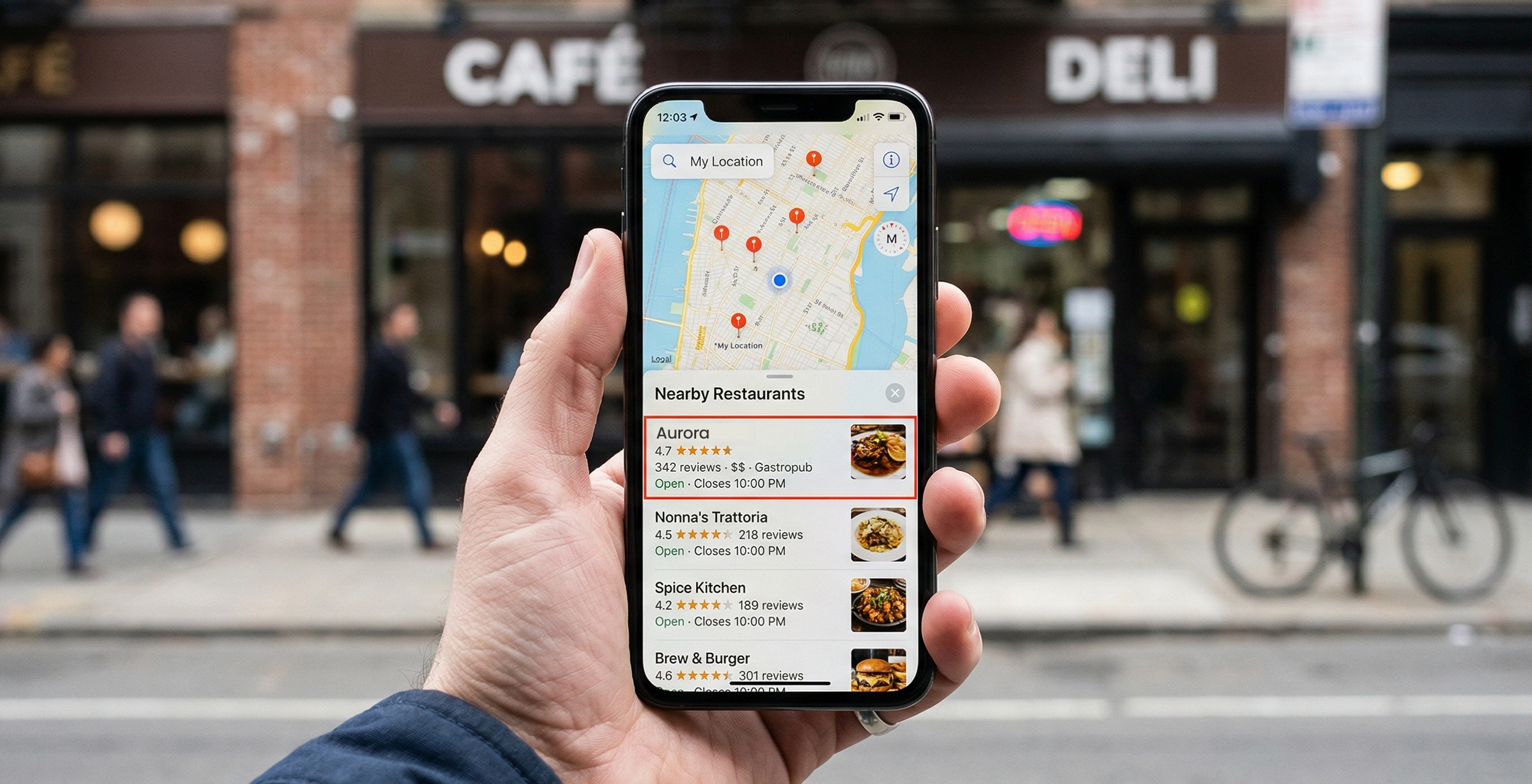
93% of diners prefer checking Google before visiting any restaurant. If your business isn’t SEO optimised, then you’re losing many potential customers already.
Optimise your Google Business Profile by updating accurate hours, uploading quality pictures, and actively responding to reviews. Engaging here can gain your restaurant significantly more reviews and interactions within just a few months.
- Social media that drives conversion, not just likes.
45% of UK diners discover new restaurants via social media. And this discovery is led not by likes but by consistency and community. A restaurant with 3000 local followers can outperform one with 30,000 distant followers.
Don’t be confused about what content to post; share the making of food, your team, and your story. BTS and genuine replies to comments are what build community. These restaurant marketing tactics focus on engagement over vanity metrics. (Interlink: ThisRapt Social media for restaurants)
- Turning regulars into brand advocates.
The invisible 20%: your regulars can be the biggest advocates for your restaurant. All you have to invest is some extra time in saying a personal thank you or offering early access to new menu lunches.
These aren’t just nice gestures; these are effective retention tools and powerful restaurant marketing ideas that cost nothing but create loyalty.
Your 90-day Restaurant Marketing Roadmap Awaits!
Know your numbers.
The last and most important shift is of mindset. The restaurant owners who consistently make six figures don’t just run a kitchen; they run a business.
- Weekly P&L reviews.
Consider yourself late if you’re looking at your finances monthly or quarterly. You need to run weekly profit and loss reviews. Check revenue, food costs, labour costs, and overhead. This works as a real-time dashboard for your business and helps you identify errors before they become issues.
- Understand your Break-Even Point.
Do you have any idea about the number of covers you need to serve each week before you start making money? If you don’t, then that’s the first thing you need to calculate. Your break-even point is the base of every pricing, staffing, and marketing decision you make.
- Pay yourself first.
Too many owners treat their own salary as leftovers. A six-figure restaurant owner treats the owner’s salary as a fixed cost and optimizes the rest of the P&L around it. When you start treating your own salary as a non-negotiable, that discipline reflects everywhere.

Six figures is a system, not luck.
There’s no single secret to closing the gap between £40,000 and £100,000+ overnight. There’s a full-fledged system. Fix your margins, price with intention, add income streams, use the right tools, build a brand and a community, and run numbers like the CEO you are.
Every step in this guide is implementable, not right now, but maybe in the coming week. You don’t need another location or a Michelin star; all you need is the right approach and consistency.
If you want someone to guide you on every step in this journey, then you’re in the right place. ThisRapt helps independent UK restaurant owners build a brand that makes everything else work better.
Frequently Asked Questions (FAQs)
Q: What profit margin should a UK restaurant aim for?
Between 3-7%. The real goal is to push toward the higher end of the range by managing food cost, labour optimisation, and smart pricing. Add high-margin revenue streams like catering and events.
Q: How can I add revenue streams without disrupting daily service?
The easiest way to start is by catering. It uses your existing kitchen and staff during the off-peak hours, with no extra spending. Take it from there towards a weekly meal kit, a signature product, or a private dining offering.
Q: How long does it take to go from an average income to six figures?
With the right systems, it might take 12-24 months. Improvements in margin can be seen immediately, revenue stream diversification typically takes 3-6 months, brand building and SEO can take 6-12 months. Six figures can’t be touched by one big change, but several tiny but smart ones.